Tag

healthy

Browsing

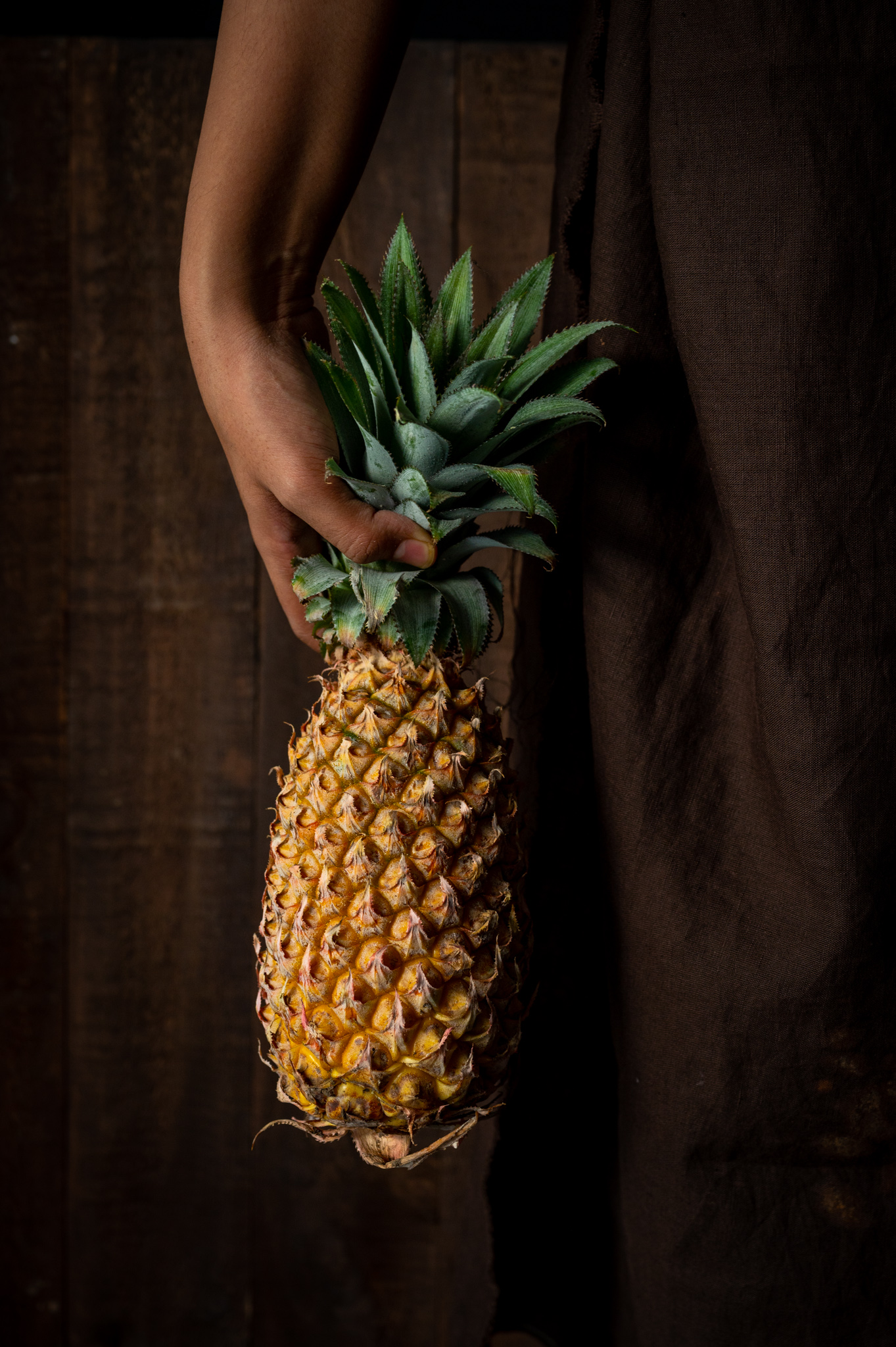
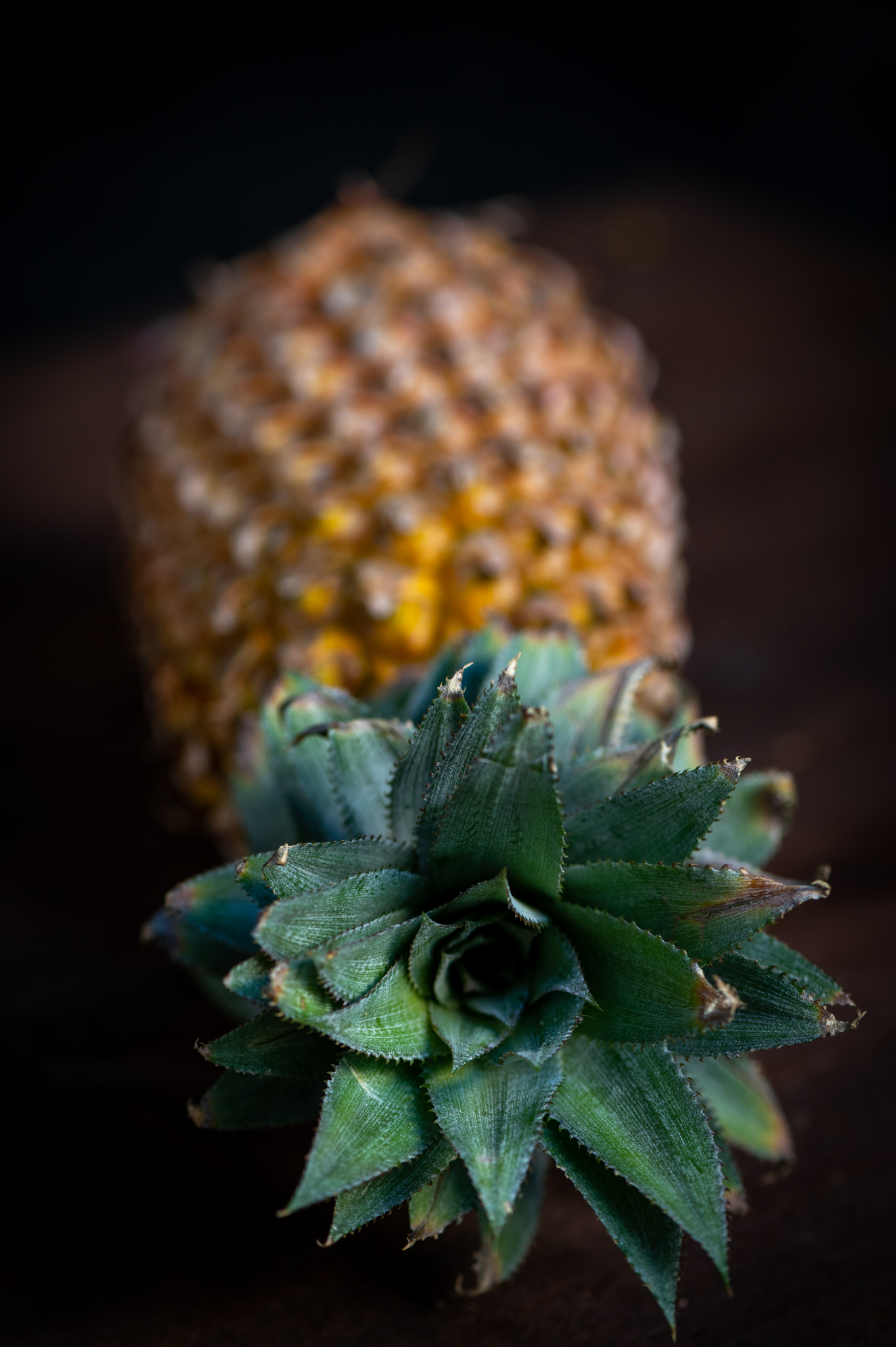
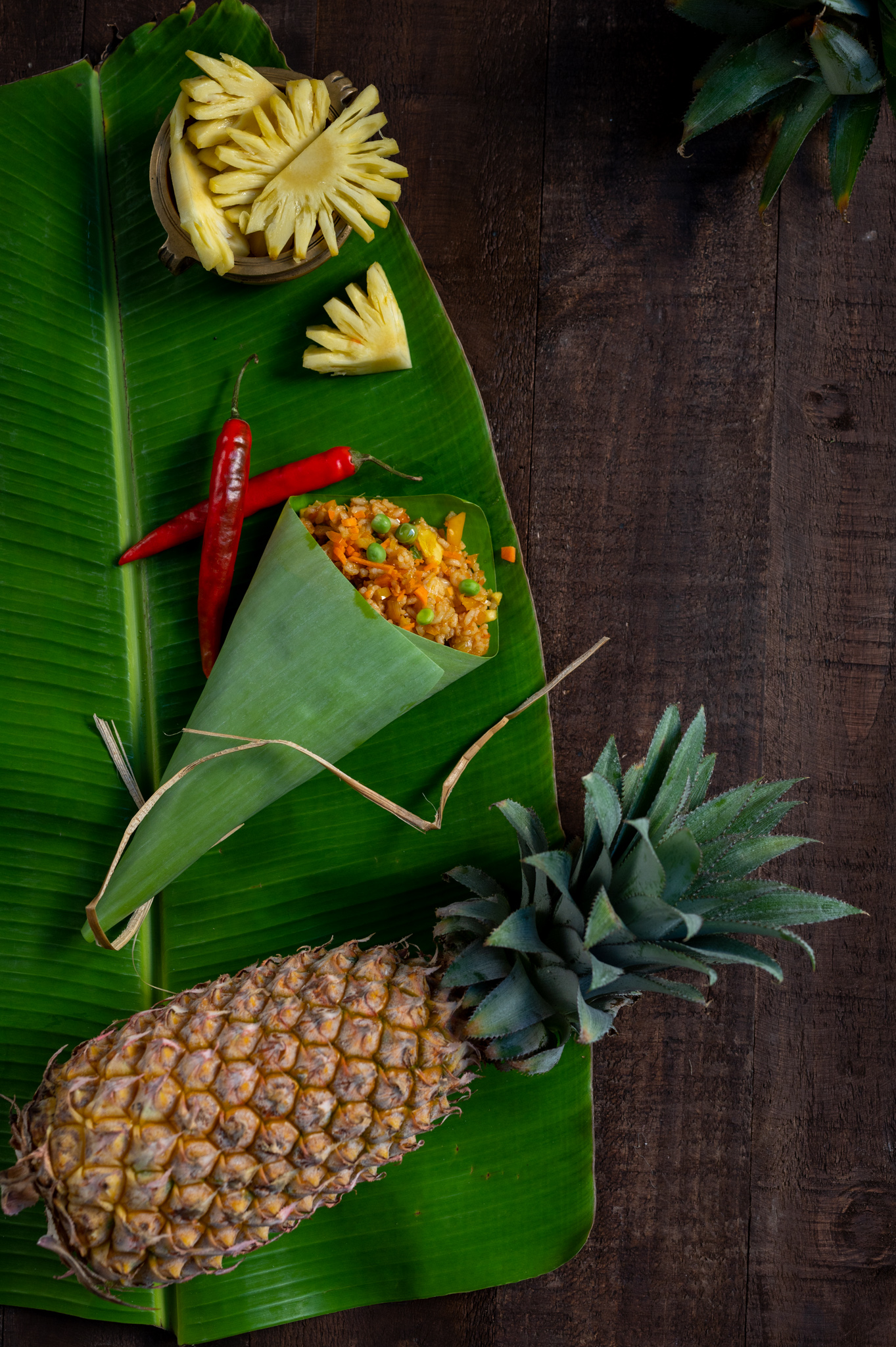
On a trial basis, my son has been cultivating organic pineapples in Bangalore. They are mini-pineapples, about half the regular size. I had never seen this variant until I visited him shortly after a successful harvest. I found them incredibly sweet, and adorable to look at too. Back home in Chennai, pineapples stayed on my mind, which was perfect timing as they happen to be in season. Considering the possibilities of how to consume the fruit, aside from eating it just as it is, I decided to give making a pineapple rice a shot. As far as I know, this dish is of Thai origin. However, I feel it fits in well with Indian and especially with Gujarati cuisine, given our enjoyment of a bit of sweetness in every preparation. I think the Indian palate in general also likes to have something sweet, something tangy and something spicy at every meal, and this pineapple rice covers all three requirements.

Aside from pineapple rice being my preferred dish at local Thai restaurants, the memory of the one time that I had authentic Thai pineapple rice in Bangkok still lingers in my mind. Those flavours are the ones I am trying to recreate here in this recipe. Bringing culinary experiences from our travels into our own kitchens is a beautiful, and of course delicious, way to preserve those good times.

This dish is only one of the many ways that I use pineapple, one of my favourite fruits, in my cooking. It also makes a frequent appearance at my dining table in my pineapple salsa (you may want to try out my peach salsa, the recipe for which is here). It is my topping of choice when it comes to my homemade pizza, which I make on a sourdough base. Pineapple is a healthy way to satisfy my terrible sweet tooth, so what I do is to add a little jaggery, and then put the slices on a non-stick pan or stick them in the oven. This makes for a completely natural dessert that hits the spot, without any artificial or processed ingredients.
One recipe that I’ve not yet attempted, but hope to have the courage to give a shot one of these days, is my mother’s pineapple upside down cake. She often made it when I was growing up, and it was utterly delicious. I am quite tempted to try… Wish me luck! I’ll certainly keep you posted about my endeavours (most likely on Instagram).

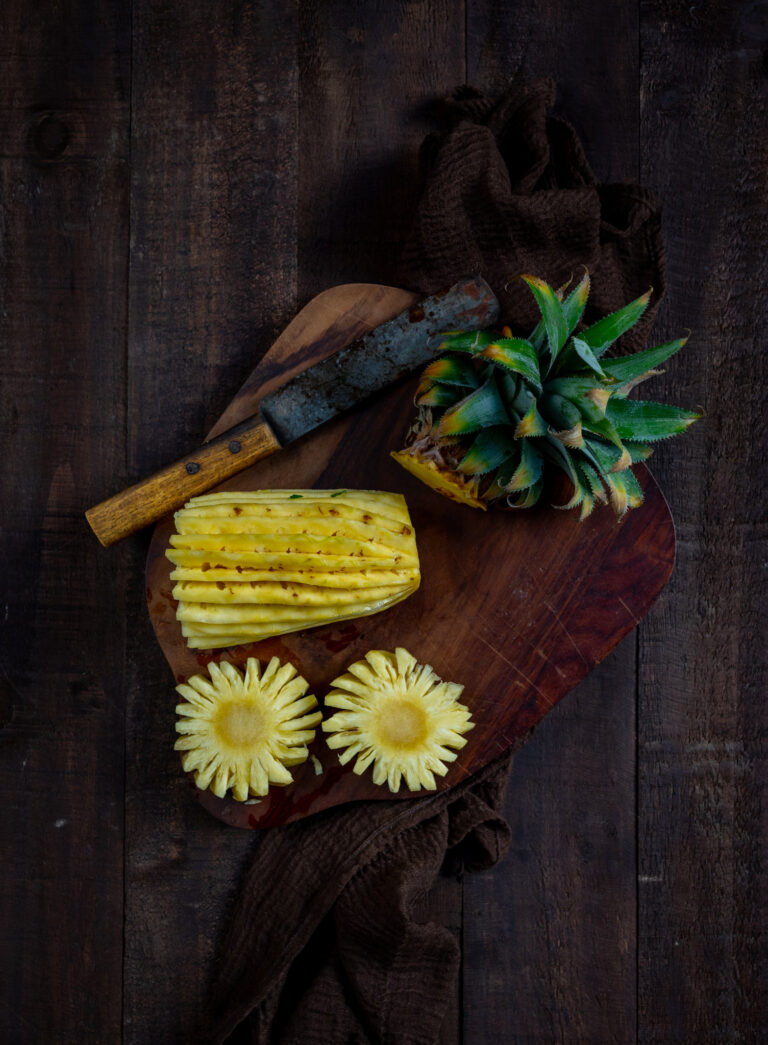
As I said, I love pineapple, and while it would seem from my sharing above that I eat it all the time, this is sadly not true. This wonderful fruit is a pain to peel and slice up, and this often becomes a deterrent to consuming it as much as I’d like to. Yet, it really is worth it every time. Perhaps it is just as it is with everything else in life: whatever is most difficult often has a juicy reward at the end of it. Hard work does pay off. As for how incredibly sweet the pineapple is once you get past the tough exterior – ah, I suppose that’s the case with a lot of people as well. Wouldn’t you agree?
Pineapple Rice

(Serves 2)


2 tablespoons sesame oil

2 cups cut vegetables (I used carrots, onions, yellow bell peppers and green peas)

½ teaspoon garlic paste

½ teaspoon ginger (grated)

1 red chilli (finely sliced)

1 teaspoon chilli sauce of your choice

2 cups cooked rice

¼ cup water (if required)

2 teaspoons tamari or light soya sauce

1½ teaspoons coconut vinegar

½ teaspoon brown sugar

Salt to taste

1 cup finely chopped pineapple

Finely sliced green onions (to garnish)


In a pan, add the oil. Once it has heated, add the cut vegetables. You may use the ones you prefer; as listed above, I have used carrots, onions, yellow bell peppers and green peas. Sauté on a high flame for a few minutes or until al dente. Add the sliced red chilli. Stir well until fragrant. Sprinkle some water if required.

Now, add the cooked rice. Partially cooked rice is best, and this is also a great way to use up any leftover rice that you may have.

Then, add the tamari, salt, chilli sauce, vinegar, brown sugar and another sprinkling of water. Stir well on a high flame. Finally, add the pineapple and mix well again. Garnish with the finely sliced green onions and serve.

Trust me – the moment that you take a bite, you’ll forget the effort it took to peel that pineapple! What the fruit adds to this fried rice is well worth it. It brings together all the elements that make up this dish. Flavours of sweetness and spiciness play harmoniously here. This pineapple rice is perfectly satisfying, evoking the flavours of Thailand while fulfilling Indian tastebuds. I hope you’ll try it out, and that you’ll enjoy it just as much as I do!
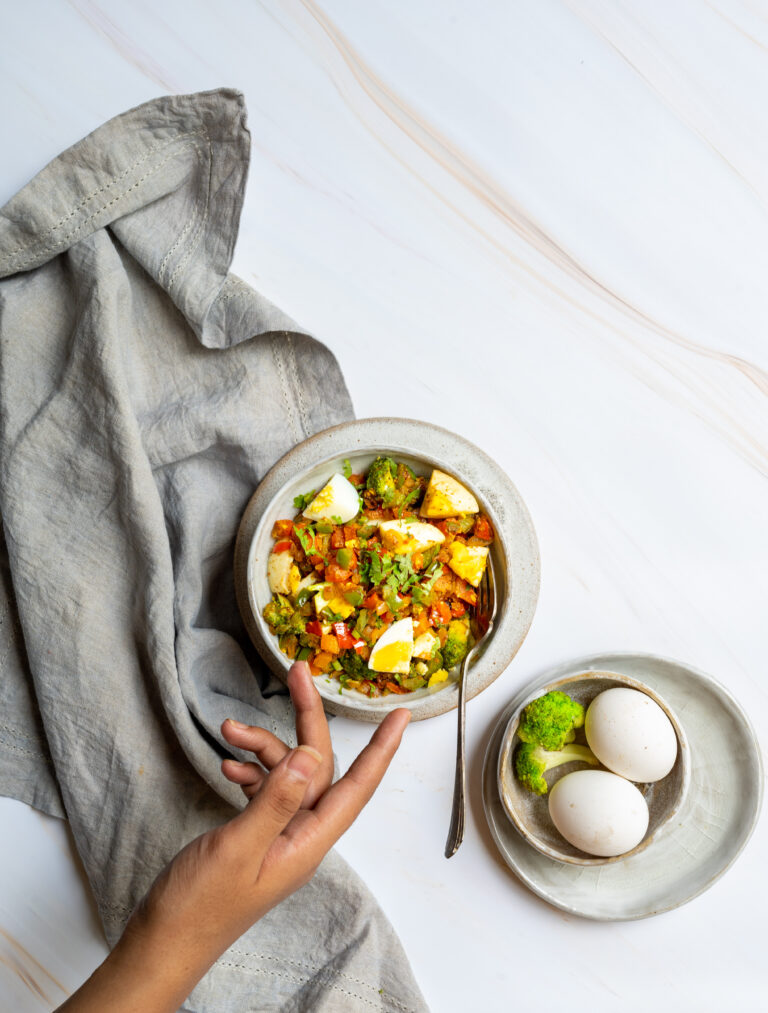
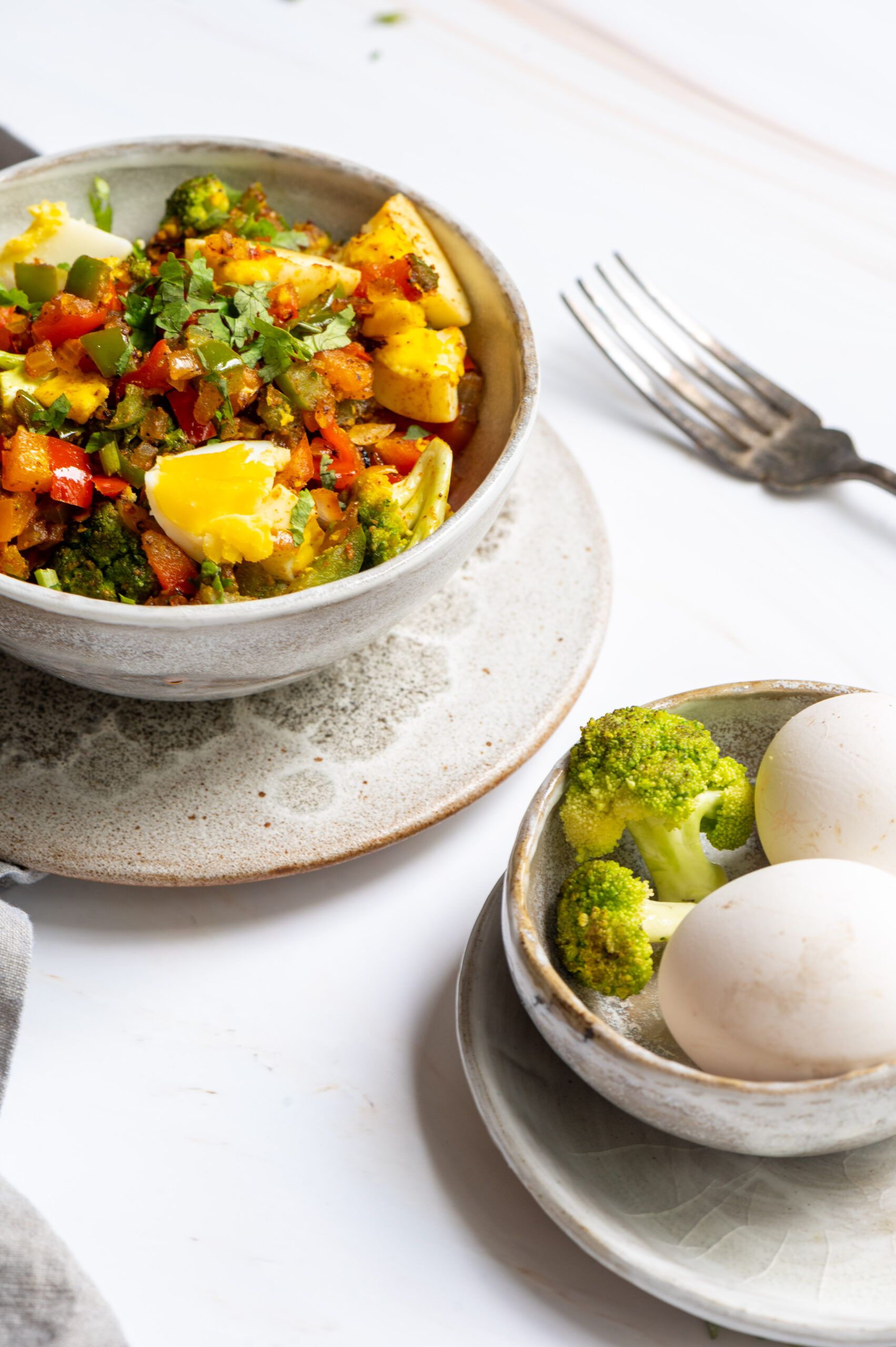
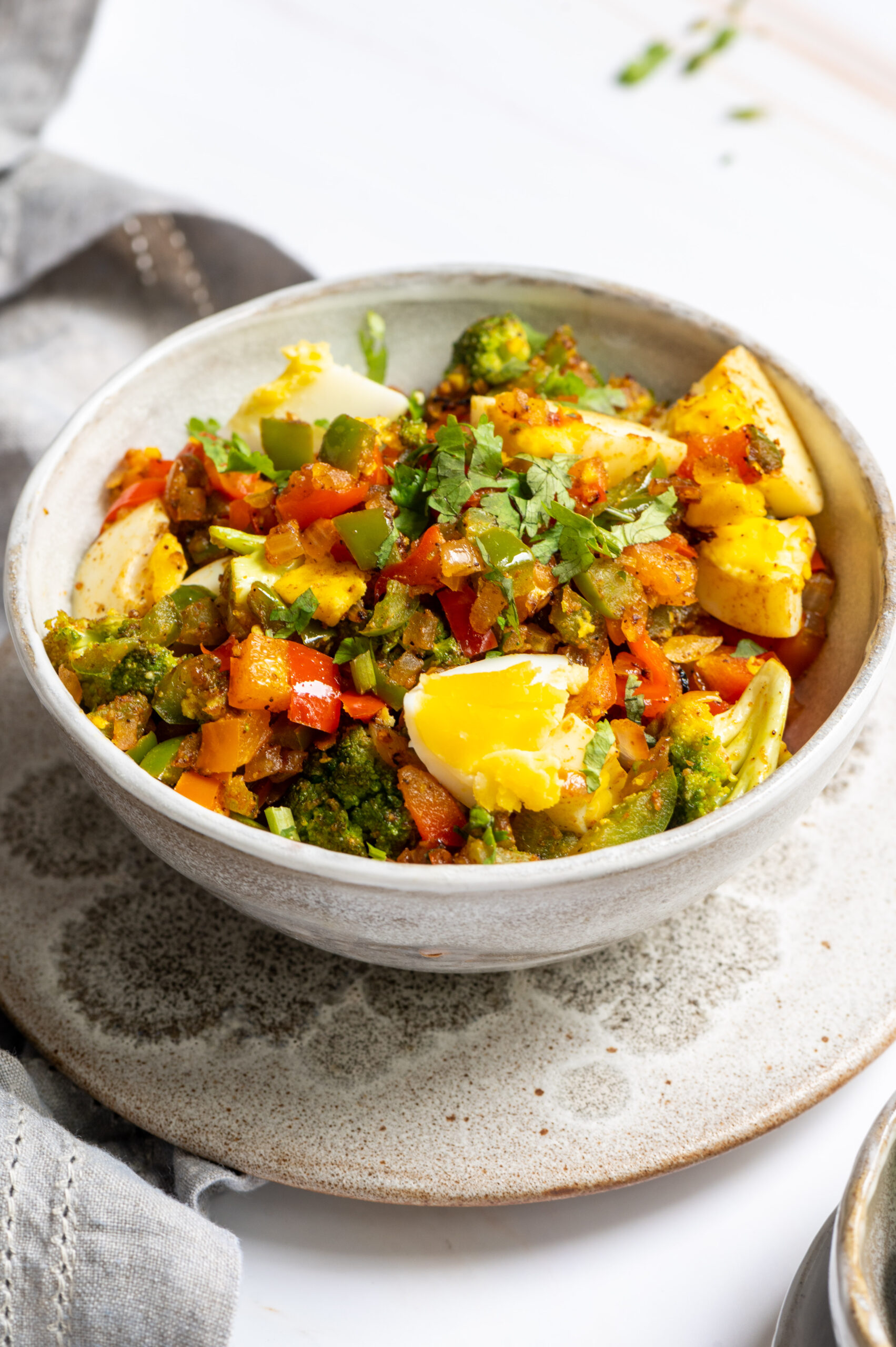
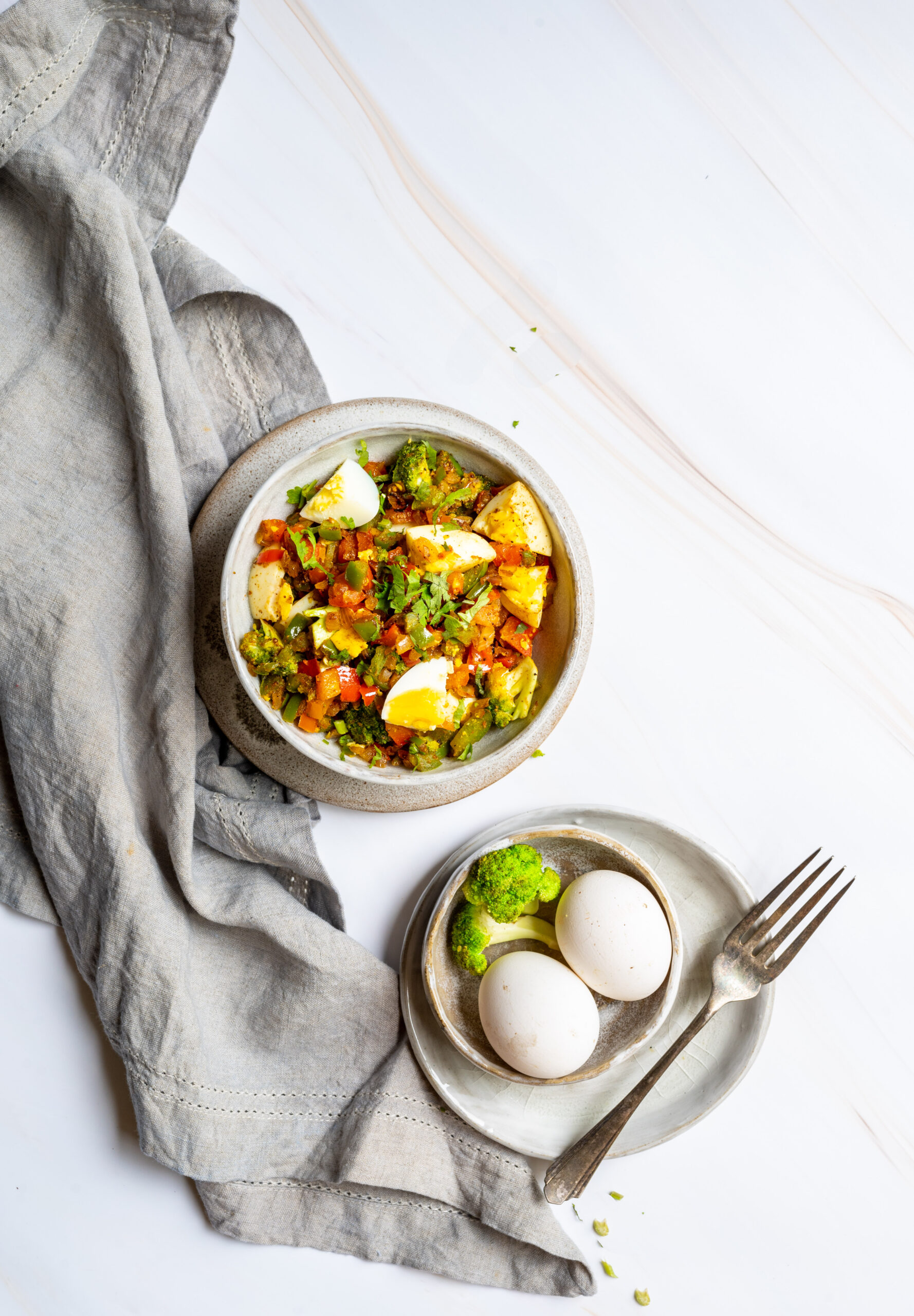
As I’ve been whining over so many recent posts, I’m on a stay-off-carbs personal menu and this can sometimes be quite a challenge! The key is in creating meals that are not only healthy but also delicious, even as one watches what one eats. Here is another recipe in this category, a breakfast egg stir-fry that I have quite often.

While eggs are what I usually make this dish with, I sometimes substitute them with paneer or tofu, depending on the mood of the morning. The lovely part of this recipe is that whether you make it a vegan one or an egg-based one, it gives you a protein high that will carry you through your tasks all the way till lunch time. It’s perfect for a post work-out breakfast, and it also happens to be grain-free – just what the doctor prescribed!

It is said that a high protein diet helps you cut down on your sugar cravings. I’ve seen this proved true, in terms of my body’s own requirements. It’s no secret that I have an incredible sweet tooth, as the plethora of desserts I’ve shared will show you, if not my penchant for baking for others. Let me let you in on something: there was a time when I used to bake a tiny little cupcake using the batter of every cake order, under the pretext of ‘tasting’ it. Needless to say, that was quite a few tiny little cupcakes enjoyed, all in the name of quality control! I no longer do this, and I suspect that including more protein in my morning meal may well be the reason why.

That’s not to say that I restrict myself. I only mean that I no longer have an irrepressible sweet tooth. When I do indulge myself, it is mindfully done. The lovely variety of cake orders I’ve been fulfilling lately – a celebratory red velvet, a vegan vanilla lavender, a sugar-free date, an eggless almond – have certainly inspired me to make those tiny little cupcakes on the side for myself too. One should give in to temptation now and then, as long as it is within the limits of one’s overall healthy eating plan. If you feel like a slice or two of cake, I’d be more than happy to bake you one, and you’re welcome to tease me about the tiny cupcake on the side. Get in touch!

There are always reasons why our bodies crave any kind of food, be it sugar or spice or something else altogether. Listen to your body, understand what it’s really asking for, and give it the right nourishment. As is famously said, you are what you eat.

To return to the subject of our protein cravings and needs, it isn’t true that vegetarians or vegans have trouble meeting this quotient. I tend to eat a largely vegetarian or vegan diet, but flexibly so. Whether I put eggs, tofu or paneer into this dish is entirely a question of that day’s likes or dislikes. I’m a moody eater, and can be put off even by favourite ingredients for phases, just as I can be obsessive about certain ingredients for phases. I find that listening to my body’s likes and dislikes is a part of healthy eating, and it’s a skill I learned slowly. Healthy eating is never just about the ingredients or portions alone.

Egg Stir-Fry

(Serves 2)


1 tablespoon olive oil

½ cup finely chopped onions

3 boiled eggs (sliced)

2 cups chopped veggies (broccoli, bell peppers)

Salt to taste

½ teaspoon amchur powder (optional)

½ teaspoon garam masala

1 pinch of turmeric

½ teaspoon roasted cumin powder

¼ teaspoon black pepper powder

A generous sprinkling of coriander leaves

Heat a pan and add the olive oil. Now, add the onions and vegetables. Many vegetables complement eggs, so add whatever you prefer. Personally, I avoid starchy ones and use bell peppers and broccoli quite often. It’s a combination I like, and so I usually stick to it. Tomatoes are also a good choice, so do toss them in if you enjoy them.

Stir on a high flame until golden, then add the spices.

Mix well. Finally, add the boiled eggs. Garnish with the coriander leaves, and serve. Enjoy this delicious start to your day!

If you’re a fan of eggs, you may also want to try out a somewhat more extravagant (or should that be eggs-travagant?) and extremely filling Middle Eastern/North African dish known as the shakshouka, my recipe for which I shared here. As always, I’d love to know your thoughts!


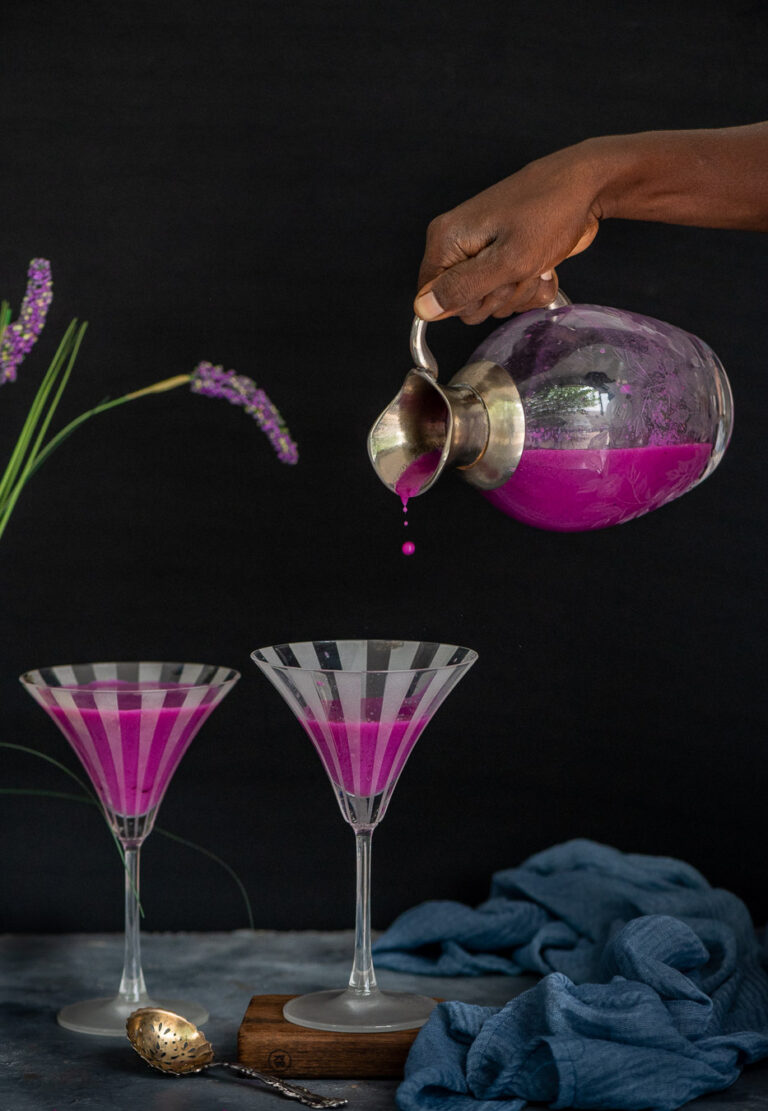
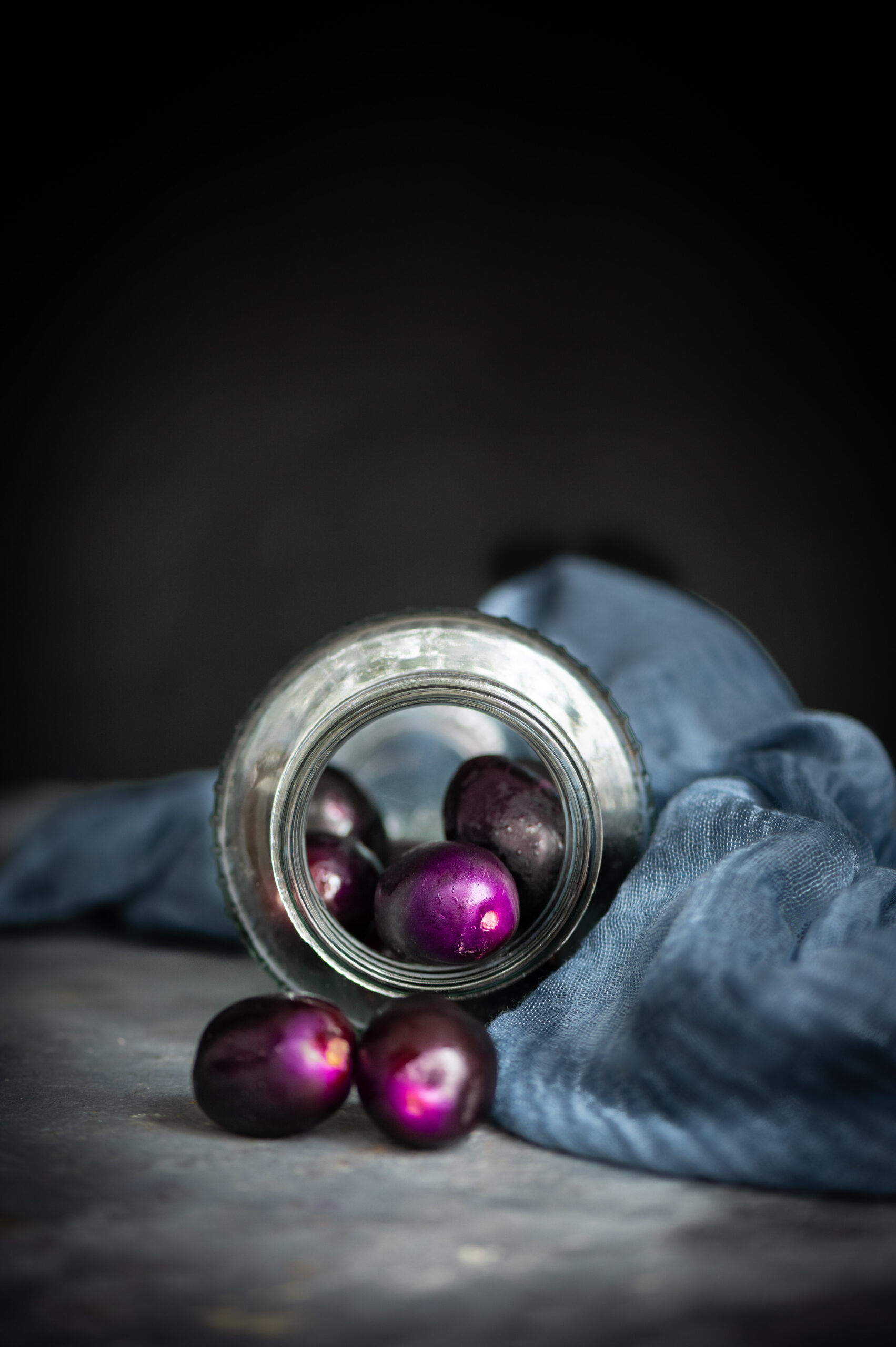
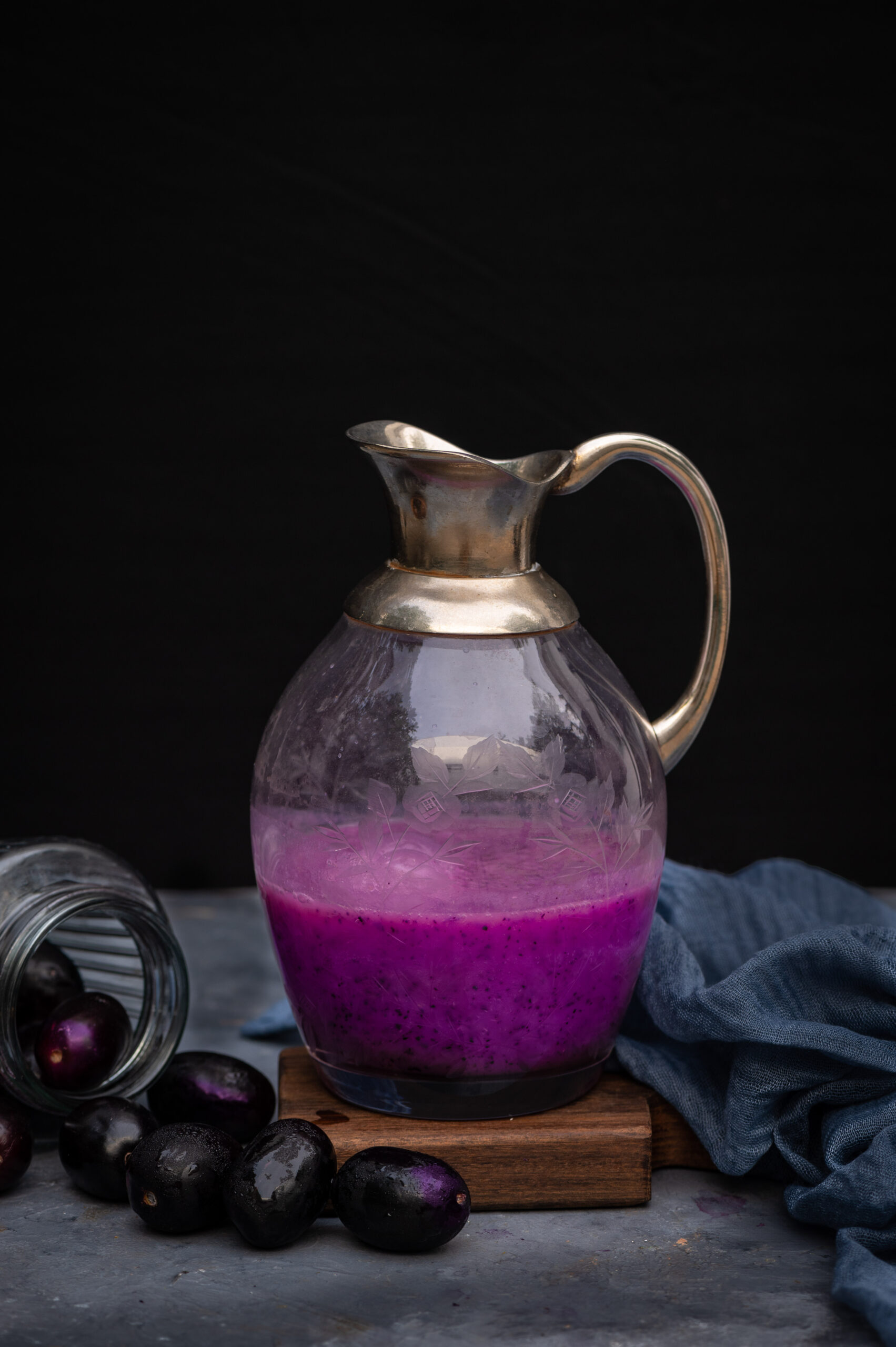
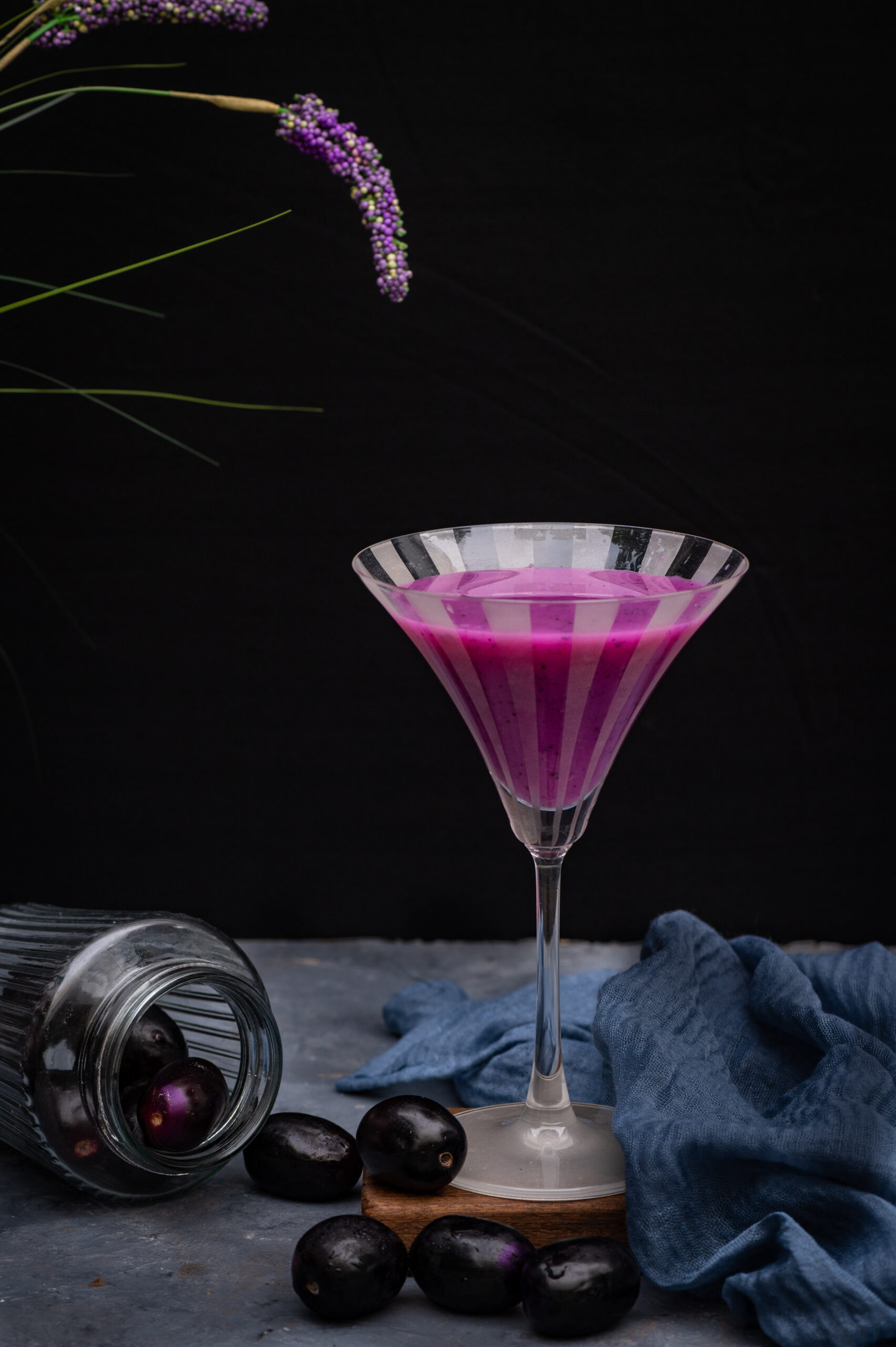
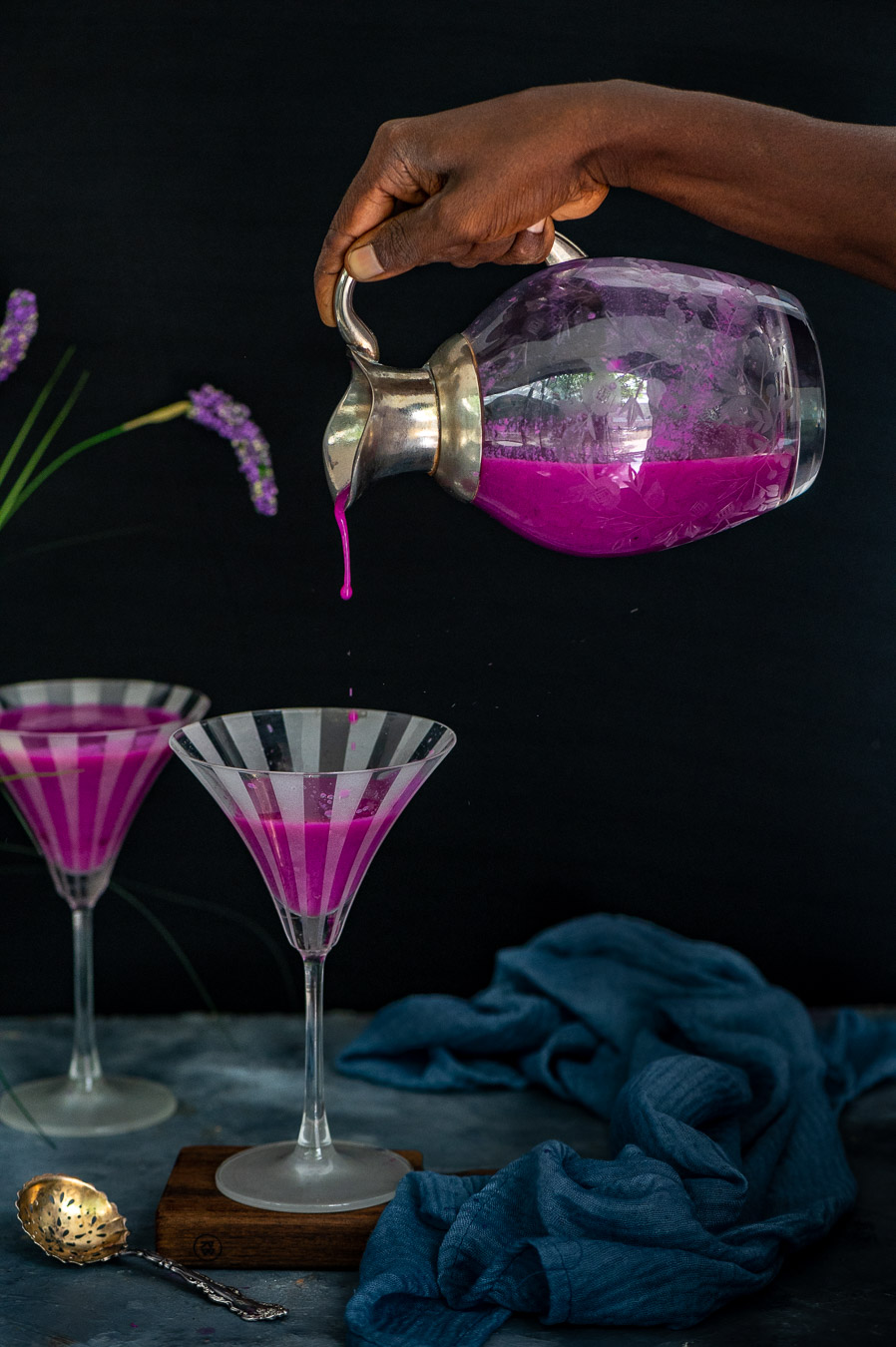
I have been seeing these gorgeous lilac drinks being made and beautifully captured by food bloggers abroad this summer, and have been so enamoured by their vivid colour and the extremely pretty flowers. I admired them, a little wistful that lilacs do not grow here, only to quickly realise that we too have a glorious abundance of plants and blooms. In the tropics, and especially here in India, we have just as much colour, flavour, texture and taste – if not more? – to captivate our senses. I have written in the past about my love for manoranjitha, oosi malli, shenbagha and other native flowers, some of which have faded from memory and many of which I’ve been trying to grow both on our farm and at home. These musings led me to remember the perfect local equivalent to lilacs, the plant (and specifically, the fruit rather than the flower) that could let me create an eye-catchingly vibrant beverage as well: jamun.

Also known as Java plum and Indian blackberry, jamun is indigenous to this region. The fruit is prized for a range of health benefits. These include: reducing blood sugar levels, improving cardiac health and haemoglobin production, assisting the digestive and immune systems and regulating blood pressure. It has a cooling effect, and it’s wonderful that its season is at the cusp between the summer and the monsoon, when it can simultaneously beat the heat while building immunity for the upcoming rains. It has a unique umami-like taste, which people either like or don’t (similar to the love-it-or-loathe-it jackfruit, which also happens to be in season now).

Here in Chennai, we all grew up with jamun trees around us, that we ate from directly. They were literally in our own backyards and in the neighbourhood. We consumed only local fruits in those years – bananas, mangoes, jamun, jackfruit (and of course, if we were lucky to get away to the hills, the summer bounty of fruits and vegetables there, which I’ve talked about here). Even fruits like litchees that grew in North India didn’t make their way to our markets, and some of the produce that has since been cultivated in the hills (like strawberries) had not yet been introduced. Now, of course, the market is full of exotic imports. But when I see the exorbitant prices on a pack of foreign raspberries, for instance, I sometimes wonder why I’d reach out for it when the Indian blackberry and other local fruits are right here – accessible, nourishing and delicious?

On the subject of local plants, I’ve just redone my little garden and it has truly become a place of joy and solace for me. Full of lushness and greenery, it has a pleasant clime despite the heat. I love hanging out there, either by myself or with my family. We have had some beautiful, quiet dinners there, in that intimate and special space. At other times, I sit by myself and read a book as I sip on a nice beverage. If someone hollers for me and I’m nowhere to be found in my house, I am definitely in this sanctuary of mine. It was my birthday a few days ago, and it was where I was able to have both moments of contemplation as well as moments of celebration. With a glass of this fabulous jamun drink by my side, of course.

Jamun (Indian Blackberry) Drink

(Yield: approximately 4 glasses)


300 grams jamun

2-3 cups cold water

Black salt to taste

Sugar or jaggery (optional)

¼ teaspoon roasted cumin powder


De-seed the berries and put them in a blender along with the salt, cold water and cumin powder. The amount of water you use depends on the consistency you prefer. Use a sweetener if you’d like to. Blend well.

Strain into the glasses, add an optional topping of mint leaves – and then go to the sweet, safe spot in your home that’s your “happy place” and relax! Let’s raise a toast to good things ahead for us, which we all so richly deserve.

This jamun drink can be very filling, so portion sizes are important. You can thin it with more water, or else have a smaller glass of thick juice. With jamun, as with many other highly flavourful items, there can be such a thing as too much of a good thing. In my case, when I enjoy something, I can sometimes eat such a lot of it or have it so often that I feel sick of it after a point. So as wonderful and stunningly attractive as this drink is, I do take care to have a just-right portion.

There you have it, a lovely seasonal drink, just perfect to enjoy as the summer begins to turn to the monsoon. If you’re someone who enjoys discovering new thirst-quenchers, I hope you’ll explore the various beverages I’ve shared on this blog over the years.

As I said, for me, making this jamun drink all began with that enchanting colour – about which these photographs really say it all. But thinking about it a little more, I wondered if there are other ways I can bring this fruit into my meals? Do you have any jamun recipes you can share with me?

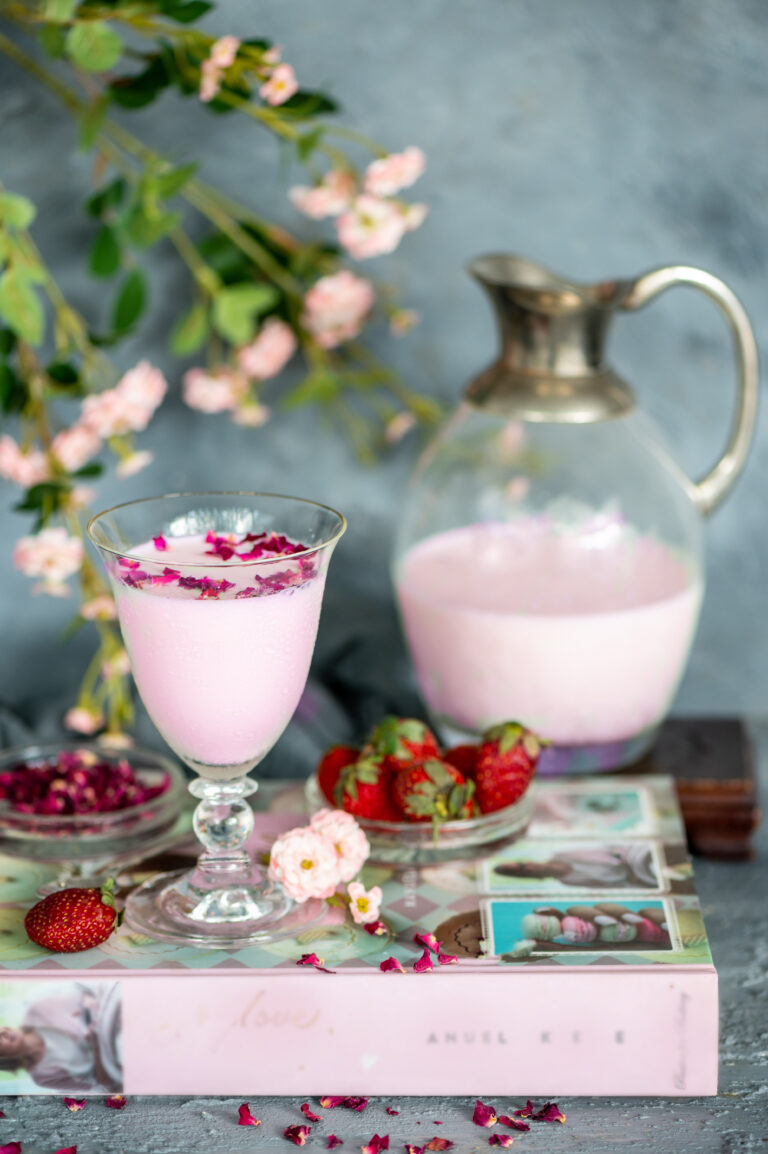
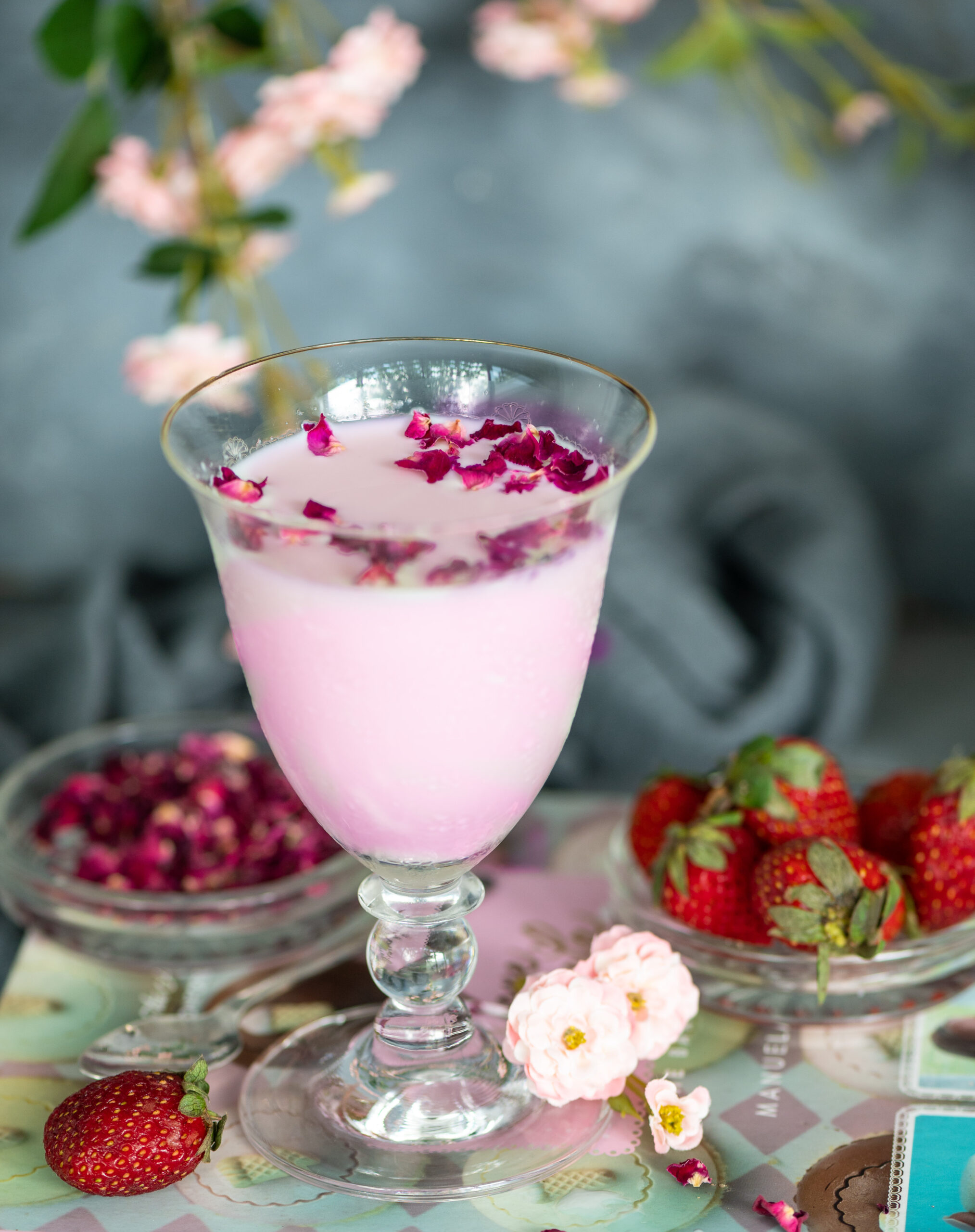
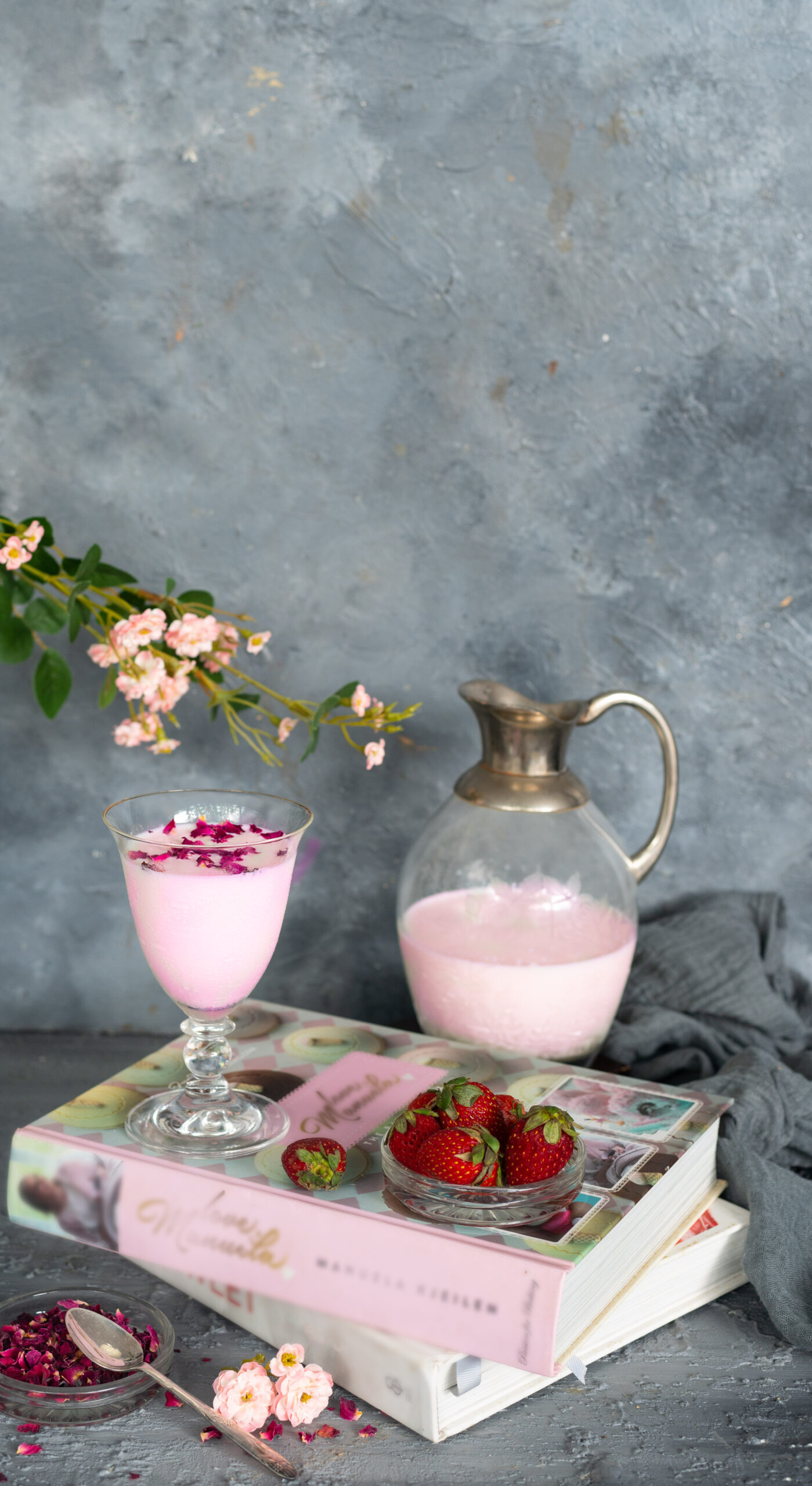
It’s an ongoing story of mine that I’m avoiding carbs, but I confess that I’m sneaking them in from time to time. To beat this craving, I’ve been reaching out for more smoothies than ever, as they are very filling, thus cancelling out the carb craving, and also take care of my protein needs. I always add a fruit of some kind, and with strawberries being in season right now, and a beautiful bounty of them in my fridge, they have been an obvious choice these days. Of course, this vegan strawberry-rose smoothie is also perfect for beating the summer heat!

This recipe features one of my all-time favourite elements – rose – and, all in all, it makes for a wonderfully uplifting and healthy beverage. Regular re:store customers will know that I’m obsessed with the flavour and that it’s a signature of mine. I have just not had my fill of adding rose to everything, and I hope that you will also enjoy its intoxicating aroma and delicate taste in this recipe just as much. But this is not just indulgence. This smoothie is vegan, and I usually use almond milk or oats milk (you can even just use water). It is also ideal for exercise enthusiasts like me, and lately I’ve been keeping a tall glass of it ready in my fridge as my post-workout boost each morning.

The rose plays so well with the strawberries, so while the drink itself may look a little bland, it is very flavourful. To offset the visual nondescriptness of the drink, however, I ensure that I serve it elegantly. The glassware that I use in these photos aren’t just props. During this lockdown, I’ve begun to use for our daily meals all the special crockery, cutlery and other serving ware that are usually saved for important occasions. I try to dress everything up, including myself. Even though I don’t leave the house, I put on clothing that makes me feel confident. Even though it’s just us family at home, I ensure the presentation of meals is just as attractive as it would be if we had guests over. I feel that these small things make a big difference. We should enjoy life, every day. Why wait? This is one of the many lessons of the pandemic.

So, my friends, let me encourage you to do the same. Don’t wait for the day when you will next be entertaining. Don’t wait for a celebration. Put up those beautiful curtains that you promised yourself you would deck your windows with when the lockdown lifts. Take the good porcelain out of storage, and see for yourself how it brightens the vibe at the dining table. Unfurl that gorgeous handmade bedspread you were saving for the guest bedroom and enjoy a hearty nap on it. All the carefully chosen things that have lain in cupboards for years deserve to be enjoyed, and you deserve to enjoy them! Use them, flaunt them, let them give you joy!

Bring more life into your home with small planters. A touch of green here and there not only adds beauty and freshness, but also helps purify the air. You don’t need a whole garden for this: old kitchen utensils are lovely spots to grow money plants and other low-maintenance greenery. The daily act of nurturing the plant is itself so fulfilling.

This is self-care, not selfishness. We must learn to do things for our own pleasure, to lift our own spirits. Live for today. Live for right now. We never know what may happen tomorrow, so we may as well enjoy what we have, when we have it.

So yes, this is just a recipe for a simple smoothie. But how I make it, how I serve it for myself (choosing a different cup or glass every day from my collection), how I set the table if I’m having it over a chat with a family member, how I put on some music as we share bigger meals together – these are the things that pep me up, keep me going, and help to create pleasant experiences even during a time that is frightening and difficult. This is what it means to bring positivity and hope into our day-to-day lives. It’s all about the small things, and showing gratitude by enjoying those small things. I really hope that the few minutes of your day in which you prepare and relish this vegan strawberry-rose smoothie will be one of those small things for you, too.

Vegan Strawberry-Rose Smoothie

(Yield: 2 small cups)


8-10 strawberries

2 tablespoons powdered almonds

Your preferred quantity of protein powder

2 cups almond milk (or milk of your choice)

1 teaspoon chia seeds

A drizzle of honey or maple syrup or a date (optional)

Rose extract

Rose petals to garnish (optional)


Simply put all the ingredients into a blender, and blend well. Make sure you use powdered almonds – that’s the trick to perfecting the texture, ensuring that there are no chunks. You may later garnish the drink with some whole or broken nuts, if you’d like more texture. You may eliminate the rose ingredients if you prefer and just enjoy the strawberries’ flavour on their own. The chia seeds make the drink deliciously creamy, in addition to bringing their numerous health benefits to it, so I would suggest that you retain them.

Pour into a glass and enjoy. Don’t forget to refrigerate it first, if you prefer it cool, or just add some ice if you’re in a hurry.

I hope this nourishing beverage brings some sweetness your way this summer. You may remember that I shared a different strawberry smoothie recipe last year too. I hope you’ll try both out and tell me which one you prefer and why, in the comments. One can never get enough of strawberry season – so why not?

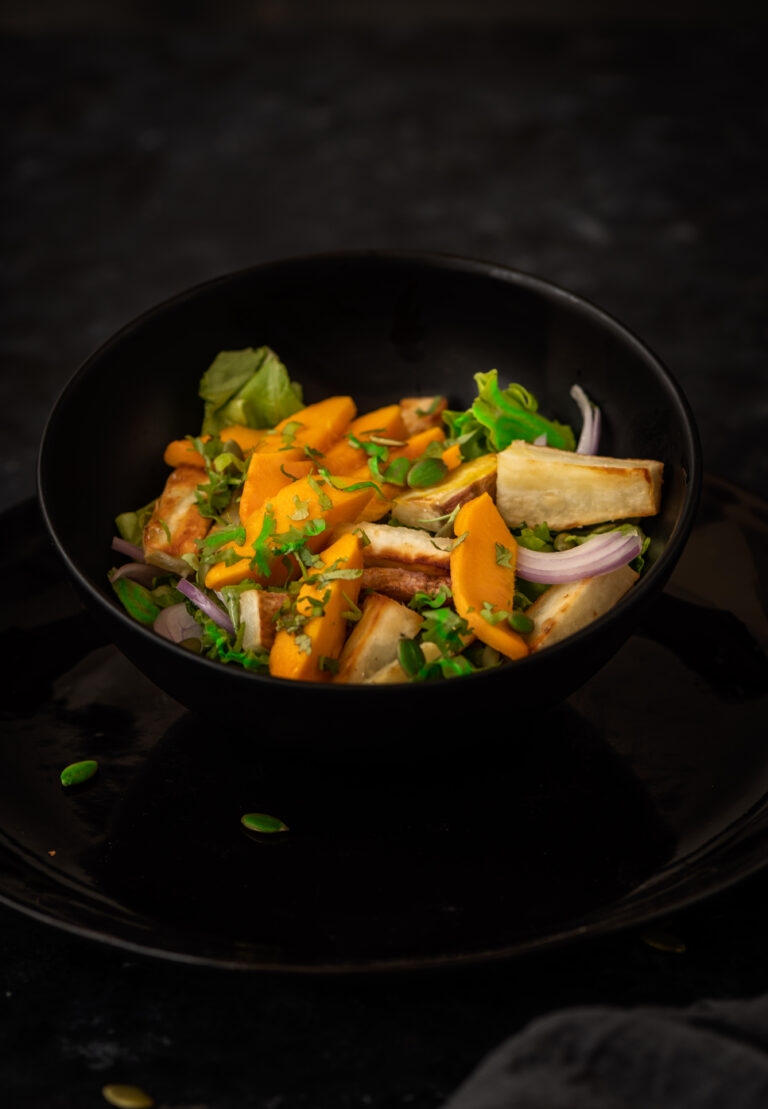
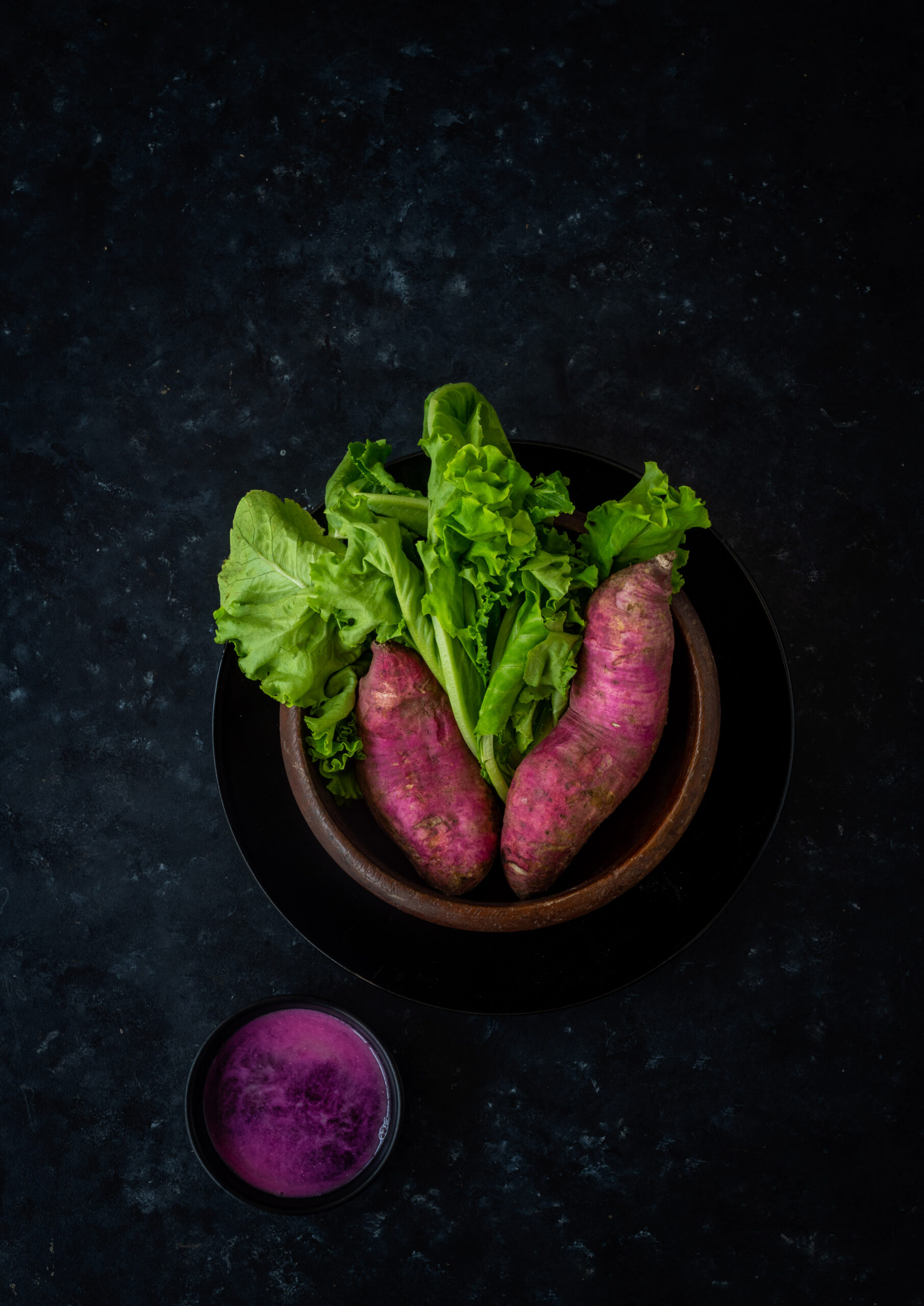
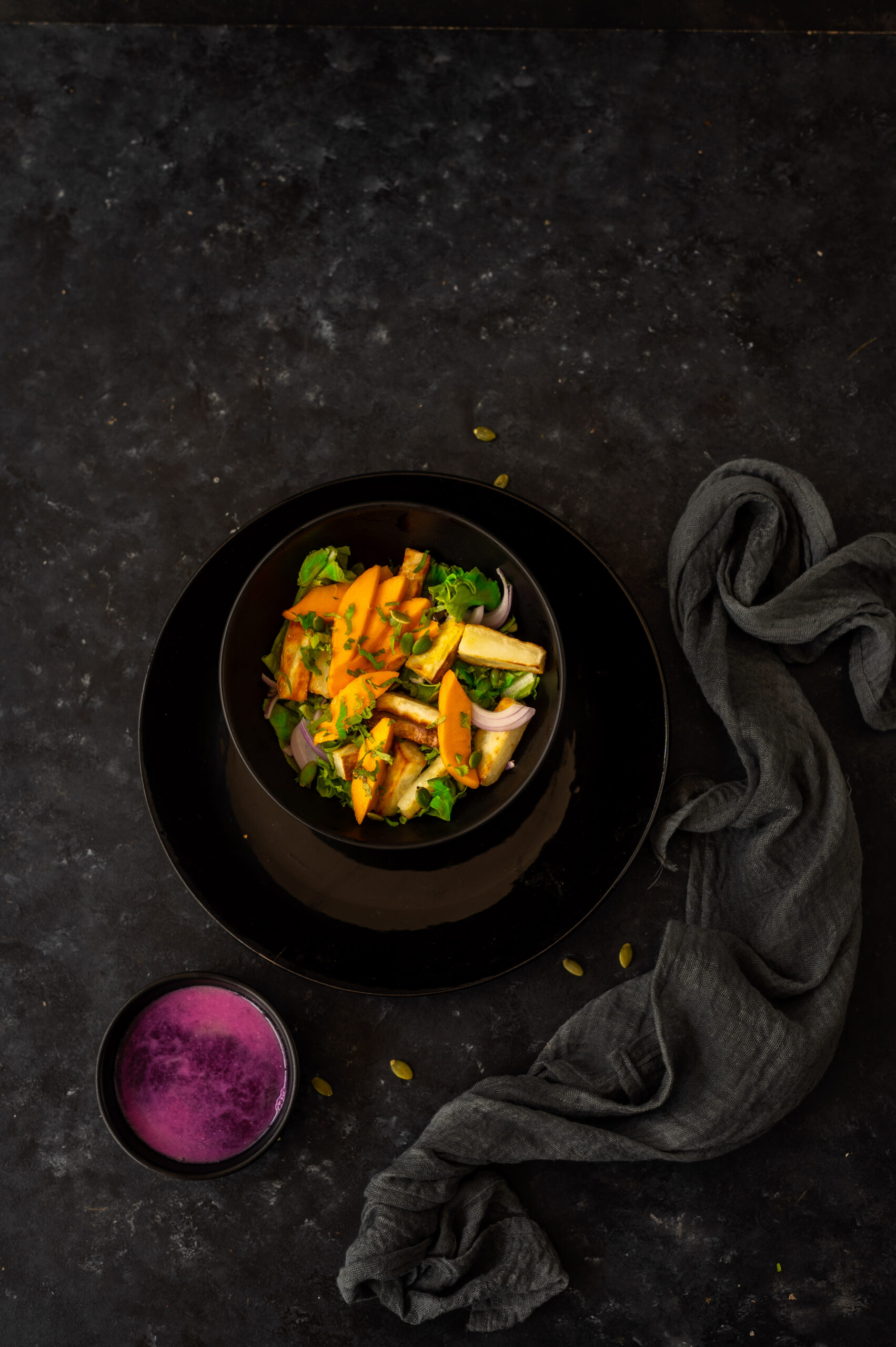
The summer is here, and so are the sweet potatoes – and the mangoes! I couldn’t resist slicing some of these wonderful seasonal harvests up and putting them to delicious use in my kitchen. As you may know, we eat a lot of salads at home, and I’m always on a quest to add more variety and novelty to mine. The secret is in hitting on the right balance of flavours or textures, and pairing the dish with a dressing that uplifts it. I think I have a star in this one, and it’s delightful to me that it features one of the vegetables I have always enjoyed, alongside a fruit you just can’t go wrong with during an Indian summer.

I’ve spoken about mangoes plenty of times on this blog, so let me share my love for sweet potatoes as well.

The first way in which I enjoyed sweet potatoes was in a thick kheer or payasam that I used to have as a child. When they were in season and therefore plentiful, my mother would boil them, mash them and add milk. This would make for a very healthy dessert that required no further sweetening. She was an expert at such exquisitely simple milk-based desserts, and inspired me to create some of my own.

Certain memories come up when one contemplates any kind of familiar food. For me, the other important personal and cultural association that sweet potatoes evoke is that they are one of the ingredients that are permissible during the Faraali fasting that takes place in the month of Shravan, observed by Vaishnav Gujaratis. My mother maintained these fasts while we were growing up, and during those times she ate sweet potatoes frequently, and so did we.

Faraali is a relatively lenient type of fasting: it is not that consumption is not allowed, but that certain types of harvest are not permissible. Grains are taboo during this time, whereas tubers like sweet potatoes and yams form the bulk of the fasting menu.

Years later, through my Macrobiotics studies and my constant inquisitiveness about culinary science, I am able to understand and admire the beautiful logic of all fasting traditions, from Lent to Ramadan to Paryushan. I realise that Faraali must originally have been all about honouring the cycles of nature, avoiding certain types of harvest so as to allow the soil and the plants to replenish themselves during the rainy month of Shravan. It would also be the right time for the human body to purify itself with vegetables and fruits, as the weather would mean that people stepped out less and would also not be able to work in the fields. Fewer carbohydrates would be required, as less energy was required, so grains need not to be a part of the diet during that time. This is my perspective on the reasons behind this religious practice, and I often feel that when we think deeply about rituals, many of them will have a practical function behind them. Our ancestors were far more in sync with nature than we are, and had the wisdom to develop daily and seasonal routines that respected and kept this balance.

So for us today, as modern human beings with eclectic palates, one way to stay in sync is to accept that heavy lunches in the summer time make us more lethargic, and can diminish our productivity over the rest of the day. Salads cut out the heavy carb load of rice and grains, while also being filling, delicious, nourishing – and visually vibrant, which improves the mood and whets the appetite. If you’re a fan of this food category, be sure to explore my archives, where I’ve shared many of the tried-and-true salads that are super hits at home: this one where the passion fruit dressing is the star, another season-suitable mango salad, a nutritious millet salad, and a few dishes you may not have thought of as salads but really are, like peach salsa, sundal and green moong bhel. Another health-boosting eating habit is to regard a salad not as an appetiser or an accompaniment, but as a meal-in-a-bowl. It’s really just about portions.

Coming specifically to this summery sweet potato and mango salad, I am often a bit suspicious of the unusual sweetness of the sweet potato chips that many restaurants serve, and I prefer making them myself. The technique is very easy, as you’ll see below. You can substitute the sweet potatoes for yams, and use the same thin-sliced technique to fry them. These crispy sweet potatoes are what I use in this salad. If you prefer not to fry them at all, you can have them steamed and sliced. It all depends on the textures you’re building the salad with, and any health or taste preferences that you may have.


Seasonal Sweet Potato And Mango Salad

(Yield: 1 bowl)


½ cup sliced sweet potato

½ cup sliced ripe sweet mango

2 cups lettuce

½ onion

2 tablespoons coriander leaves

1 teaspoon olive oil

1 tablespoon sunflower seeds


Dressing:

Salt to taste

1 tablespoon honey

2 tablespoons lemon juice

4 tablespoons pomegranate juice

A pinch of black pepper

1 tablespoon olive oil


In a bowl, add all the dressing ingredients together. Store this in the fridge.

Heat a pan and add the oil. Once the oil has heated, add the sliced sweet potato. Make sure the sweet potato is sliced thin so that it can cook faster. Cover with a lid and allow to cook for a few minutes on a low flame.

Then, remove the lid and increase the flame to medium. Allow the slices to turn crisp. Flip them to ensure that both sides are well done. Once they are fried, set them aside.

Prepare the salad by putting the sliced onion and torn lettuce into a bowl. Add the fried sweet potato crisps and the fresh mango slices on top. Add the dressing, garnish with coriander leaves, and mix gently. Allow to cool for some time, and serve.

I hope you’ll enjoy the mix of crispiness and sweetness in this simple yet satisfying sweet potato and mango salad. It’s just perfect for this hot weather, and keeps you light on your feet after the meal. Speaking of the summer, since we are in mango season here in South India, you can expect next weekend’s post to celebrate the fruit. In the meanwhile, maybe you’ll want to check out the many ways the mango has starred in my recipes over the years?

After making the nutritious (and labourious) seven-grain khichdo to share with you last week, I felt inspired to do a short series of similar dishes. This series will showcase the versatility of the staple grains we consume, and the many ways they help make up the traditional Gujarati menu. So here is part two of this series: bajra ghensh, which uses the goodness of broken pearl millet. Pearl millet has been cultivated in India for thousands of years, and is a vital part of both the authentic Gujarati and authentic Tamil cuisines that I grew up surrounded by. As you may know, I truly believe in the revival of higher quantities of millet usage in our diets, especially as a preferred alternative to white rice, and have written many times about their value to us.

I’ve been spending more time with my sister recently, and as always this means exploring her cooking style and picking up new techniques to include in my own. As she sometimes does, she said to me the other day, “Come, I’ll teach you a new recipe.” Working alongside her in her kitchen, I was very surprised to discover that it wasn’t a new recipe to me at all, but only a different interpretation of one I knew well, and made for a different meal of the day. My sister prepares bajra ghensh as dinner, whereas for over three decades my mother-in-law and I have been eating it for breakfast.

What did I tell you about the versatility of millets? In this highly adaptable bajra ghensh, we see an example of how dishes themselves become versatile too depending on the choices of the cook and the habits of the one consuming the same. The method of preparing it, as either breakfast or dinner, is still less the same, but storage and serving determine the type of meal it becomes. It’s a very simple dish with three base ingredients and a generous helping of dry fruits and nuts.

Bajra ghensh wasn’t something we ate while we were growing up, and just as my sister was introduced to it after getting married, I too first encountered it thanks to my mother-in-law. I remember how when I first moved in, my mother-in-law would make it as a porridge or cereal to be had in the mornings, and I loved it from the start. Soon, I was frequently whipping up a big pot of it for both her and I and we would share it for breakfast. We both enjoyed it so much that we would have the same dish for two or three mornings in a row, without needing variety. This was the only way I’d ever eaten it, until my sister served it for dinner the other day.

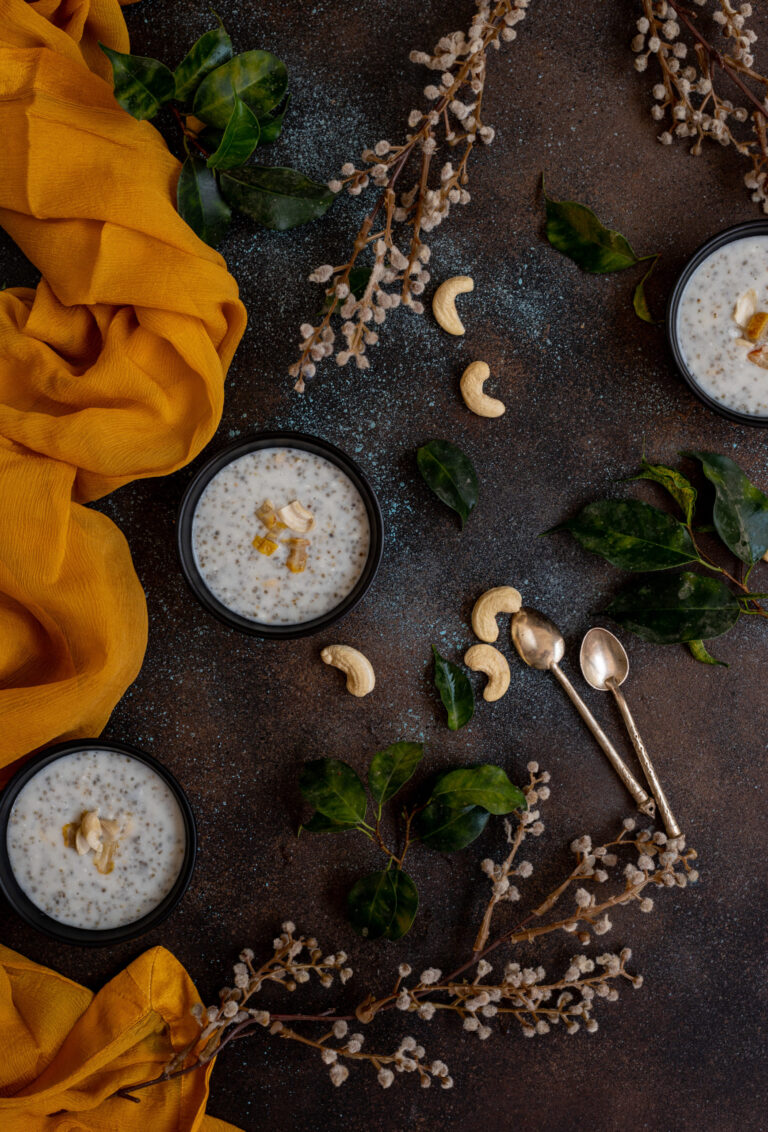
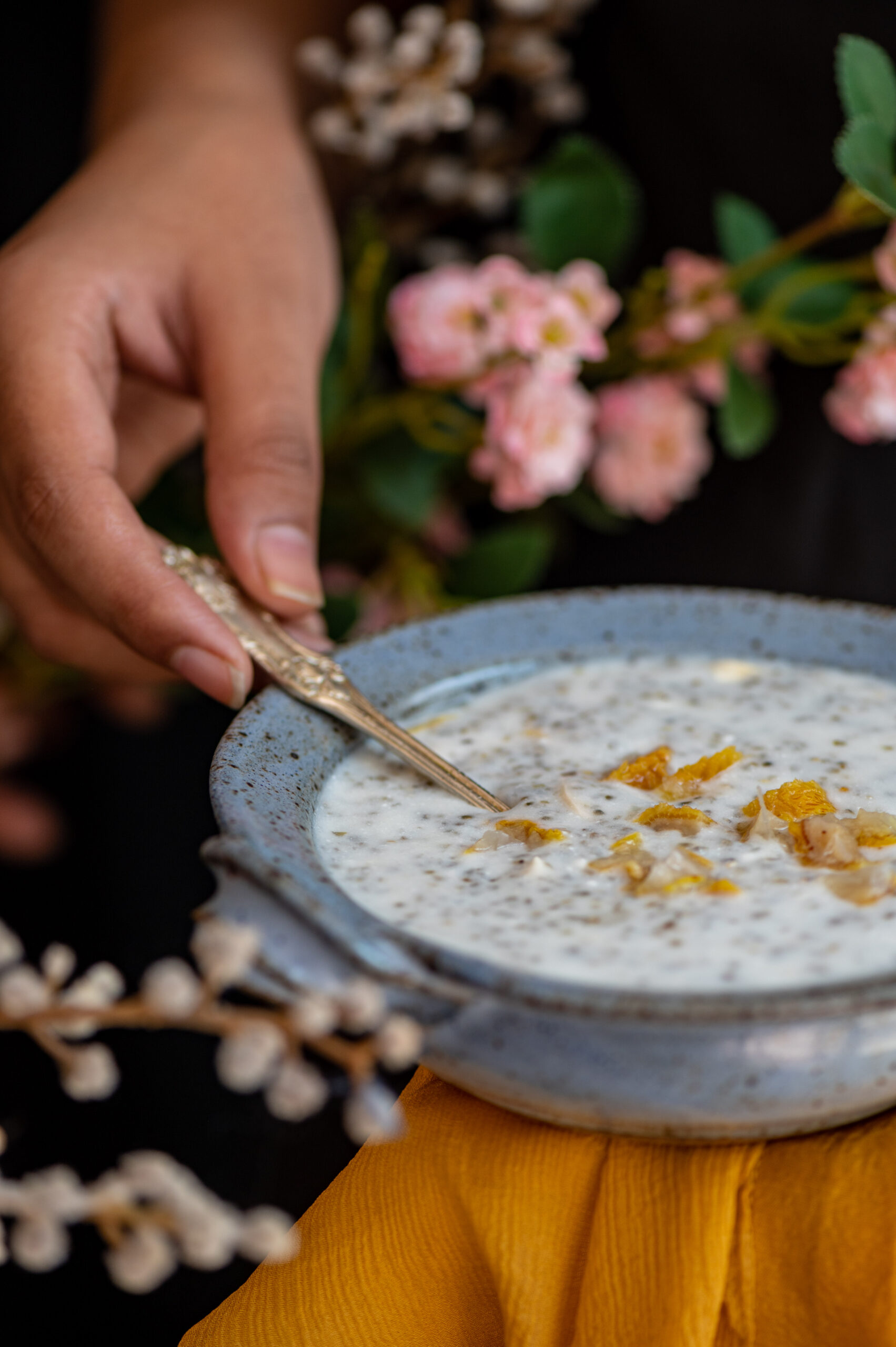
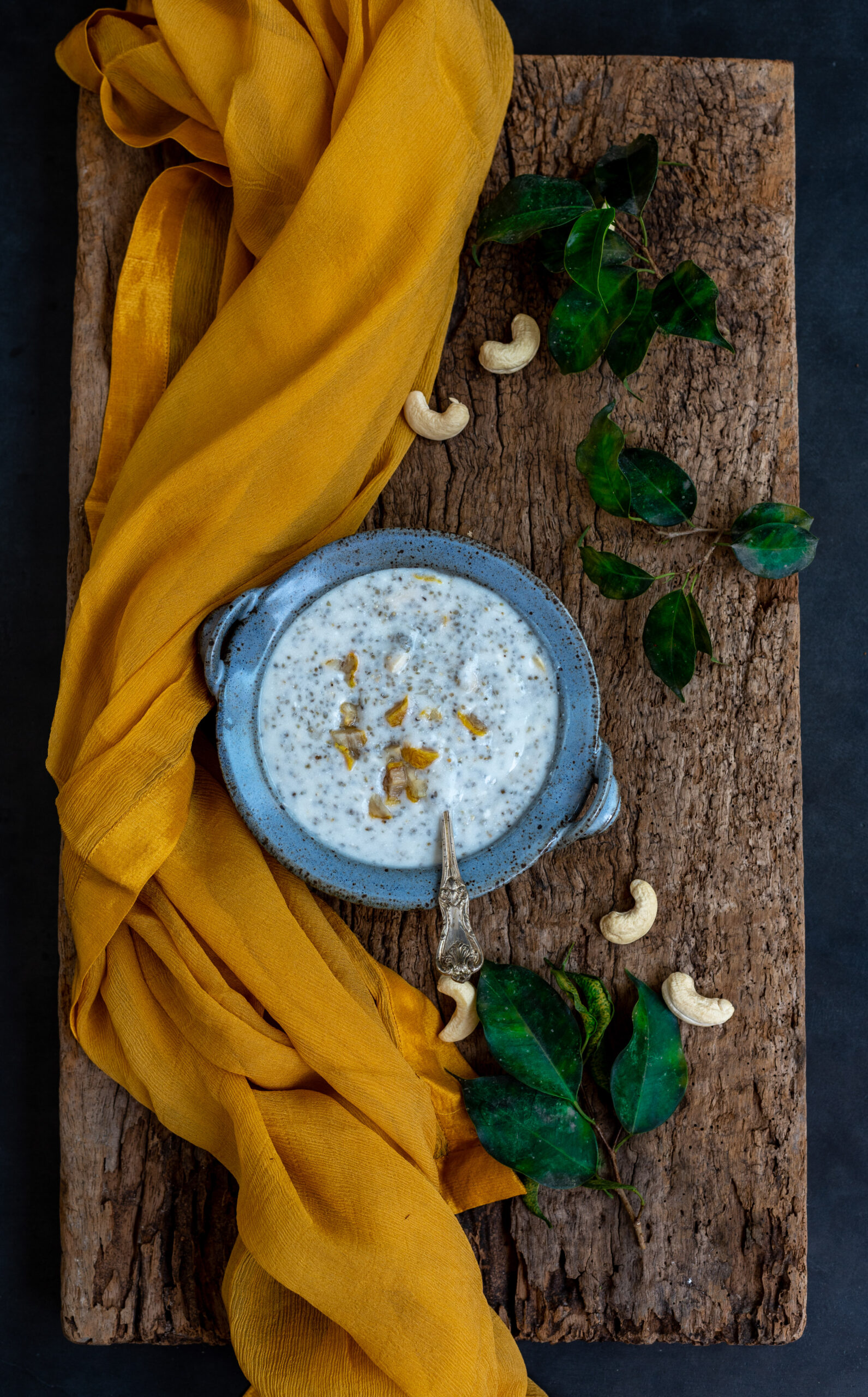
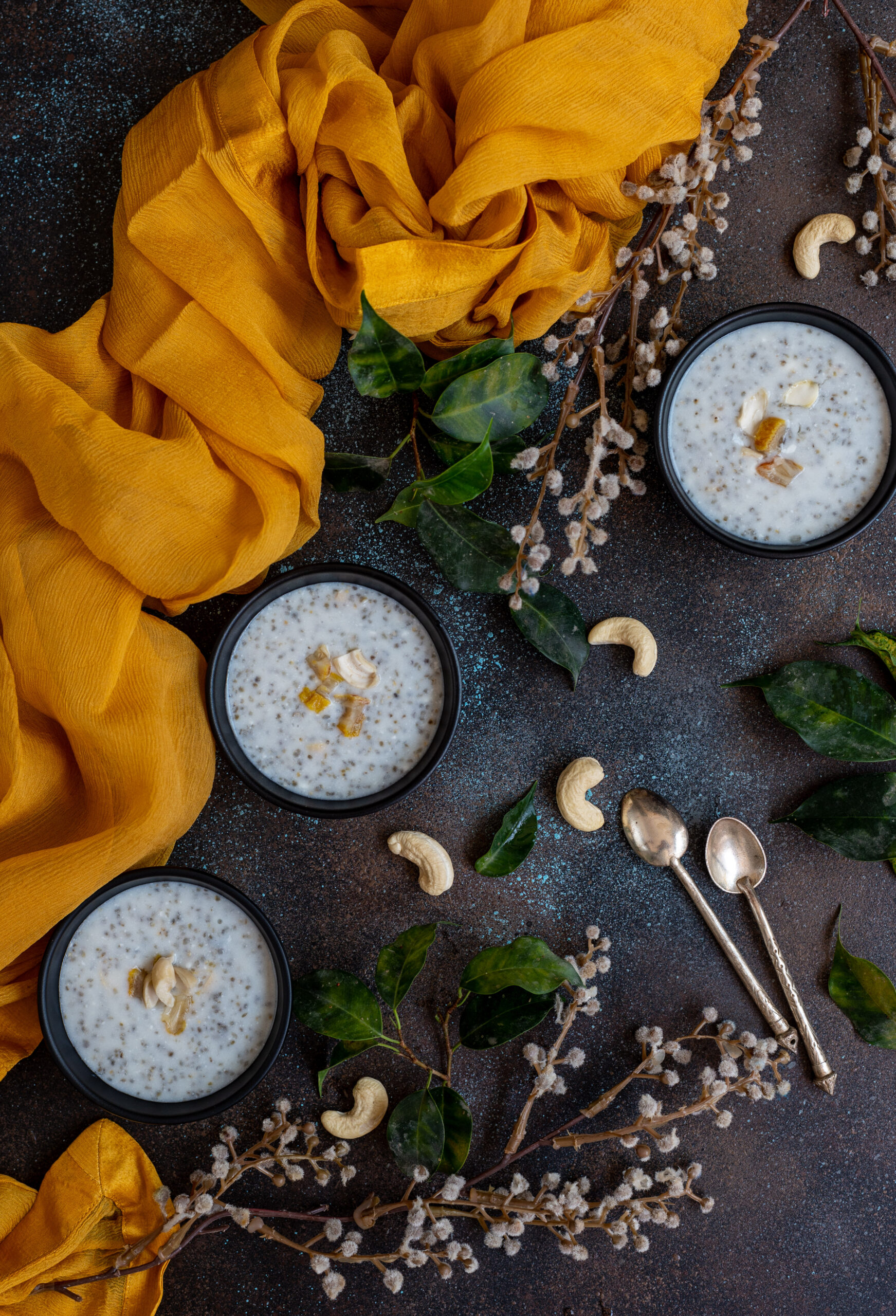
As delicious as that was, to my mind this is still a breakfast dish, and so my recipe and my photographs here reflect this perspective. It’s a very healthy post-workout meal, and it’s an ideal replacement for supermarket cereals, which make tall claims about nutrition values but are usually full of processed ingredients and sugar. On the other hand, this is comparable only to the simplicity and goodness of whole oats. It is also gluten-free, for those who are making a dietary switch, but it is not dairy-free.

Traditionally, just like the seven-grain khichdo, bajra ghensh was also a winter dish. Pearl millet is warming and high in iron, and the Macrobiotic principle of darker grains being considered winter-friendly applies here. They are harder to digest, whereas in summer lighter grains like jowar and amaranth that are light on the stomach and easiest to digest are better, as per the time-honoured logic of seasonal culinary usages. As I said earlier, since I usually have bajra ghensh in the mornings, I’ve noticed that on days when I have done so, I tend to not become hungry again till at least lunch time or even later. A dish like this cancels out your snack cravings, which automatically increases its already high healthiness quotient.

Finding out that this works well both as a filling breakfast and as a heavy dinner, as well as making the connections with Indian seasonal logic and Macrobiotics, also made me ponder how my mother-in-law and I prepare this at night and store it in the fridge. Since this is a traditional recipe, this meant that in earlier times it could only have been made in winters, when the climate as well as the type of vessels used would allow it to be stored overnight. Only certain probiotic foods would be kept to be on eaten the following day (including homemade yoghurt). There could be no such thing as leftovers, and if there were there were resourceful ways to ensure that these were consumed quickly too. Particularly for Jains, wastage goes against religious philosophy and practice, so quantities are an important part of cooking methods. In the absence of refrigeration, and often with access issues or resource concerns to consider as well, creating perfect portions that satisfy the entire family without any excess is a special skill, and one that cooks across the centuries had to cultivate. It is only in our modern age that we can rely on certain conveniences.

So what happens is this: because of its thick consistency, this bajra ghensh sets when you keep it in the fridge. In the morning, take a chunk, add a bit of milk and have it as a cereal. Or else, prepare it in the evening and eat it hot, right off the stove and with no milk added for breakfast, just like a khichdo.

Bajra Ghensh

(Yield: 2 persons)


½ cup broken bajra (pearl millet)

1½ – 2 cups water

½ cup thick yoghurt

Salt to taste

20 grams kharek (dried dates)

10 grams dried coconut slices

10 grams cashew nuts


Clean, rinse and soak the broken bajra for 2-3 hours.

Once soaked, cook the bajra along with the 1½ cups of water in a pressure cooker until the grain is soft and tender. Open the pressure cooker lid when ready.

Place a kadai on a medium flame and pour the bajra into it. Now, add the yoghurt and stir continuously. Next, add the salt. Finally, add the dried nuts, dates and coconut and mix well.

This is the point at which you have a choice: today’s main meal, or tomorrow’s breakfast?

Let’s say you decide to have it for breakfast. Just pour the concoction into a container and set it aside for some time. As the bajra ghensh cools, it will solidify. Once it is at room temperature, refrigerate.

You don’t have to do anything the next morning but scoop out a portion into a bowl, add a little milk or buttermilk (which I prefer for the tang) and enjoy!

Do you have a recipe in your own repertoire that you’ve been making and having a certain way for ages, which you later found in an alternate rendition somewhere else? It’s always fascinating to me how the very same dish is prepared or consumed in different ways, depending not even on the community but just on the family or the person who does the cooking. I hope you’ll enjoy this bajra ghensh, and be sure to let me know which meal you had it for!

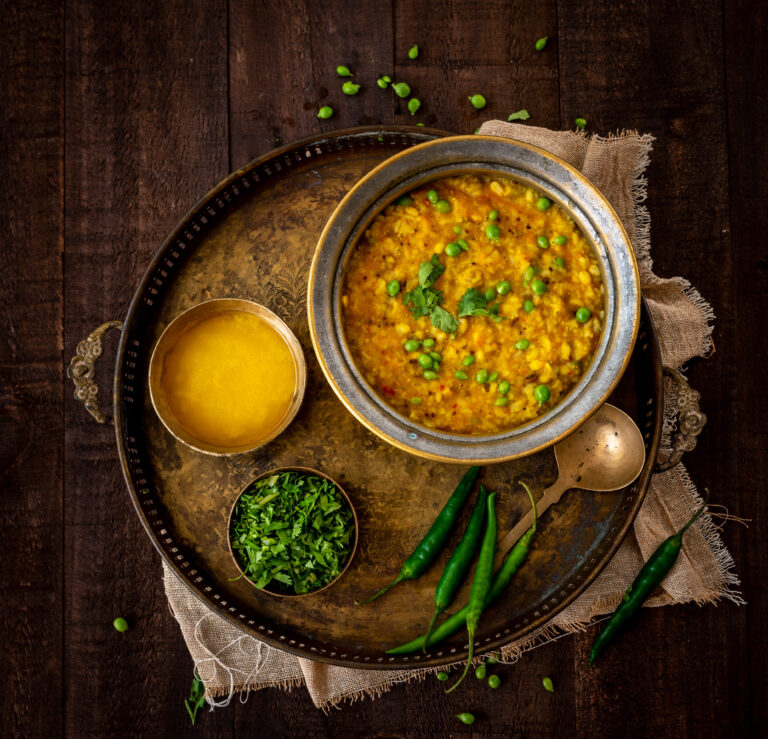
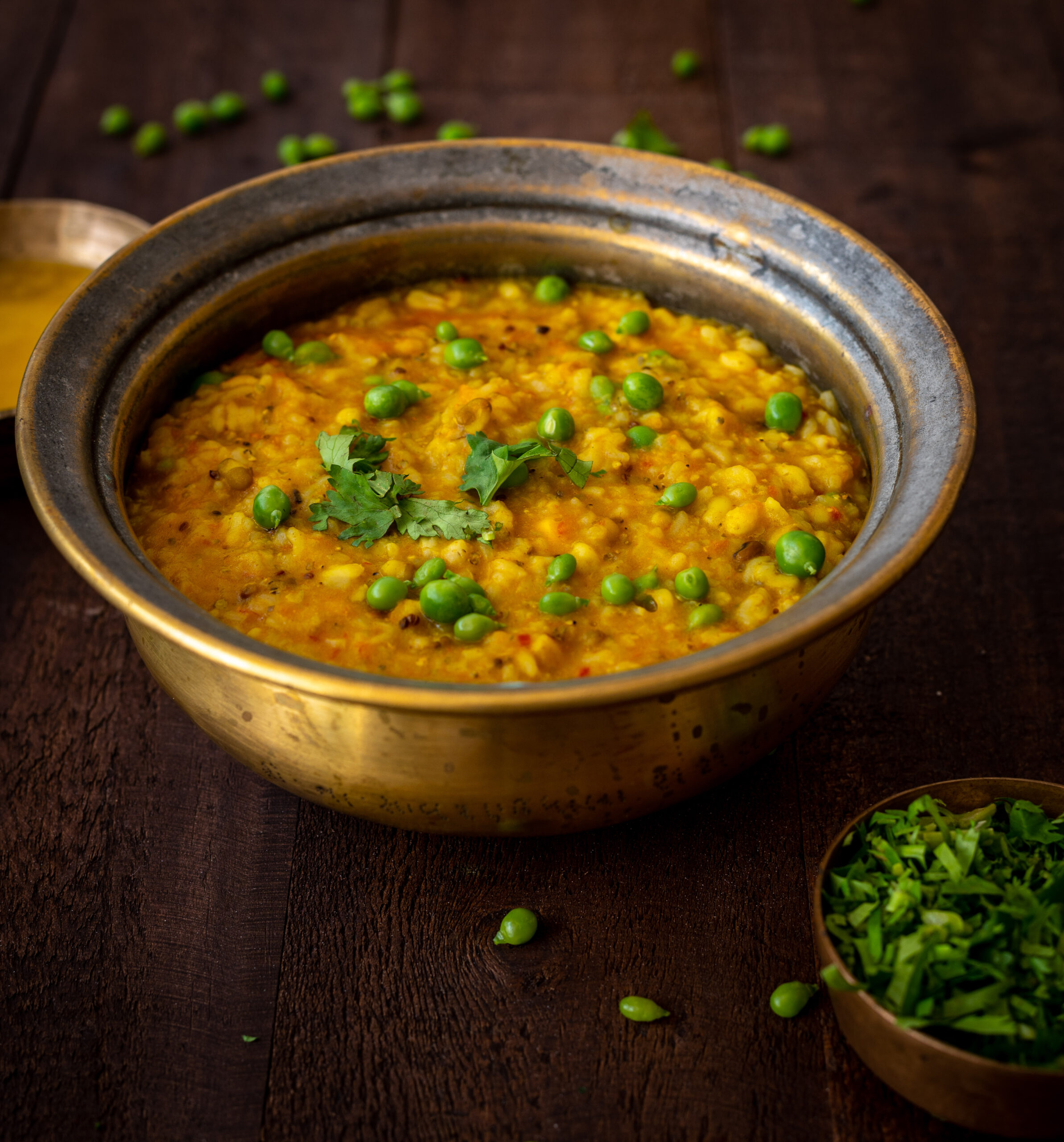
For centuries, Gujaratis observed the harvest season of Sankranti (which takes place in January) with a special dish, a seven-grain khichdo which celebrated the bounty of the earth. It was originally made with fresh, still green grains, and cooked for many hours in a large brass pot on coal. It would be prepared right before the harvest itself, when the grains would be ripe and tender. What constituted the seven key ingredients of the recipe depended on what was being grown, and some ingredients that we may think of as being legumes or lentils also qualified. It was also sometimes made with fewer. It was called “saat dhaan” – “seven grain” – when made with all the staples, and “paanch dhaan” – “five grain” – when a couple were eliminated for reasons of convenience, availability or taste. Pearl millet (bajra), wheat, rice, split pigeon peas (toor dal), sorghum (jowar) and green gram (moong dal) were among the traditional staples used. Over time, changes in agriculture and culinary life have allowed us to enjoy this wonderful dish whenever we please.

Even still, it’s a dish with a long preparation and cooking time, so I think of it as a Sunday dish – the kind that you begin working on as soon as you wake, and which is hot and ready just in time for lunch with the whole family. This was exactly how I used to see it being prepared in my sister’s home when I would visit her when she first got married. Her mother-in-law made an amazing seven-grain khichdo, and I would observe as she soaked each ingredient separately early in the morning, then as she literally pulled out the big old brass pot and coal in order to cook it in the time-honoured way. I had the good fortune of experiencing this whole process, just as I used to watch my own mother make Navaratri handvo authentically. Biting into the piping hot khichdo when she served it at lunch after having worked on it since the crack of dawn was unimaginably beautiful. My sister and I now make this khichdo in our own ways, with our modern appliances, but of course it’s her mother-in-law’s recipe that inspired us to keep this time-consuming (but so rewarding) dish in our own repertoires.

Another significant change that has come with urbanisation is that while certain ingredients began to become available year-round, access to fresh ingredients became limited. Thus, a contemporary saat dhaan khichdo will be more likely to use dried ingredients. Here, too, availability determines what you can use. For instance, in Gujarat and Maharashtra you can get readymade chaffed wheat, with the skin removed. I haven’t been able to procure the same in Chennai, so I have to pound the grain gently, to remove the outer covering.

Hand-pounding each grain individually is an important part of the process when using dried ingredients. Each one needs a different type of pressure. Bajra and jowar can be pounded very coarsely, for example, whereas wheat breaks when you do so. Of course, if you happen to have the tender green grains, there’s no pounding required.

Then there’s the individual soaking too, with each grain requiring a different duration. Wheat, bajra and jowar take the longest, whereas rice can be soaked a few hours after the overall preparation has started. As you will likely be making this khichdo with a mix of readymade, hand-pounded or fresh grains that you have available, do use your familiarity with the ingredients to determine the preparation time you need. In addition to the grains mentioned earlier, some I have used or heard of being used in this khichdo include black-eyed peas and green chickpeas too. It just comes down to availability, but the trick is to strike a balance between heavy grains and the lighter variants.

That is because this seven-grain khichdo is itself a very filling dish. While it was a part of Sankranti traditions that honoured the harvest, there is also a science as to why it was made this way. Mid-January would still be winter in Gujarat, and a heavy dish like this made of up whole grains would take a long time to digest. It would increase the metabolism and keep the body warm through the day. It is meant to be enjoyed at lunch, served hot and without need for accompaniments, except some pickled green chilli and kadhi (which is similar to more kolumbu) if you have it.

In terms of spices, the authentic version of this dish required no sautéing and very minimal spices. Everything just went into the large brass pot and cooked away for hours. The flavours of the grains would be allowed to dominate, with just a bit of ajwain (which aids digestion), and the two quintessentials of turmeric and salt being added. That and ghee – a couple of dollops of glorious ghee are an important part of this khichdo.

My sister’s mother-in-law would include a bit of dhaniya-jeera (coriander-cumin) powder, while my sister chooses to add curry leaves and garam masala. I don’t use any of these, but I do use tomato. Play around as you wish to as well, until you hit on the seasonings you most enjoy.

Seven-Grain Khichdo

(Yield: 2-3 persons)

25 grams whole wheat (chaffed)

15 grams broken bajra

50 grams rice

15 grams green whole mung

15 grams yellow split mung dal

¼ cup green peas

¼ cup fresh green pigeon peas

Water to cook

2 tablespoons ghee

½ teaspoon ajwain (carom seeds)

¼ teaspoon asafoetida

1 crushed tomato

¼ teaspoon turmeric

Salt to taste

1 – 2 cups hot water

Soak the grains individually until they are tender to touch, in water about an inch higher than the level of the grains.

When cooking, add 2½ times water to the quantity of grain.

You may pressure cook the bajra and wheat together as it takes a longer time to cook these grains. Set aside.

Next, pressure cook the rice and green whole mung and yellow split mung dal together. Set aside.

In a kadai, add ghee and once it becomes hot, add the ajwain first and then the asafoetida. Next, add the crushed tomato and then all the spices.

Now, add all the grains together to the hot, spiced ghee in the kadai. Stir on a medium to low flame.

Keep stirring. Add some hot water if required, especially if you like the khichdo to be soft as I do.

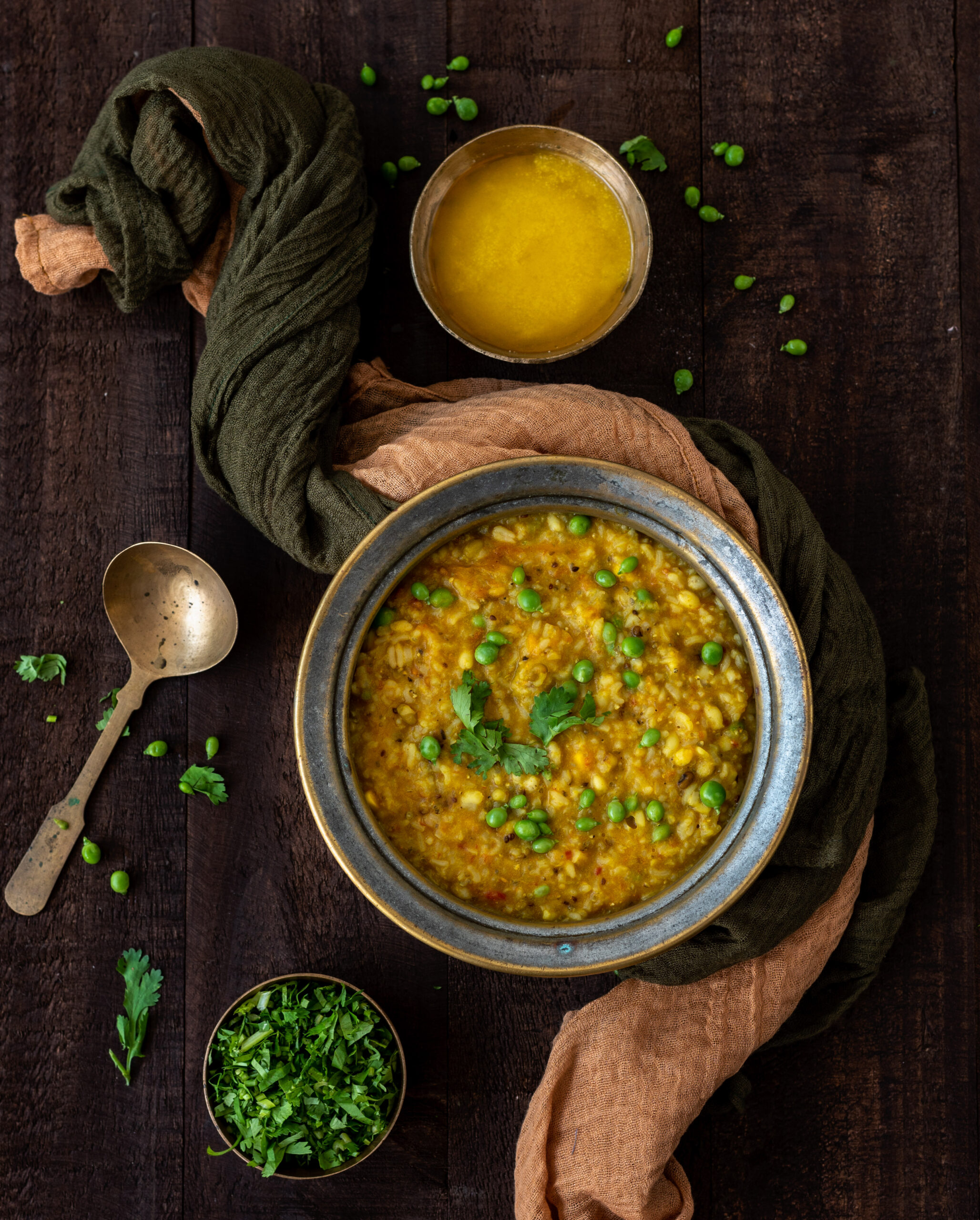
Once cooked, serve hot along with a garnish of green chili and coriander leaves.

The long preparation and cooking processes that go into a good seven-grain, or even five-grain, khichdo mean that it’s really meant to be a feast, just as it originally was during Sankranti. I recall how whenever my sister’s mother-in-law prepared it, she would distribute it to their neighbours as well. It is a meal in itself, meant to be shared, and meant to be consumed immediately after the many hours that the cook would have spent putting it together.

As with all tasty things that are best shared, I hope you’ll whip up a nice big batch the next time that you have half a day to linger over putting a meal together. Then, I hope you’ll gather your favourite people around the table, and enjoy this traditional Gujarati khichdo, with all the joy that the farmers of yore would have felt as they feasted with their loved ones right before the big harvest.

Sometimes it happens that I chance upon a wonderful dish somewhere, and as I’m never shy about asking for recipes, I decide to find out exactly how to replicate it myself. But then, the story of how that dish wound up at that table turns out to be more complicated, and I’m unable to get to the source. There was a horse gram dal that I had at a friend’s house once, but it had been made by someone else and I didn’t have access to the original recipe. I was intrigued not just by its fine taste, but also by the use of a legume that I’ve encountered relatively rarely. I haven’t been able to stop thinking about that dal since, and between my inability to obtain a recipe and my own culinary inquisitiveness, I set forth on a series of trials to create a version that I would want to serve – and to eat! – again and again.

Fortunately for me, I had an accomplice in this endeavour. We have a new cook at home, Prem, who shares the kitchen space with me. He is a wonderful chap, and we’ve been getting used to each others’ styles and quirks. I am very particular about who enters my kitchen, and the cryptic but tangible measure of “good energy” is extremely important for me. He definitely has that. The problem though? He is as meticulous as I am, maybe even more so. He talks constantly and questions everything I do, because of which I call him my second mother-in-law. He rattles off 25 questions about each thing, and nags me about certain details, with food wastage being a pet peeve of his. When I arrange something on the shelves, he’ll come in two minutes later and rearrange it to his own preference. I tease him for his pedantic nature, and he teases me back. I’m not complaining; the kitchen has not become a battleground at all, but is now a space for shared experimentation. We came up with this horse gram dal recipe together. In fact, to give credit where it’s due, it’s more his than mine.

I must add this suspicion here: I think there may be a secret ingredient that he adds to this dish once I’ve stepped out of the kitchen, but you know how determined I am when it comes to cracking a recipe! I think I’ve done it, and between him and I, we have pretty much perfected it. This wonderful dish has actually made me forget what the original horse gram dal I enjoyed at my friend’s home tasted like. Now, this is the only rendition I know, and it’s served in my home several times a week. You may recall from my recent Gujarati dal recipe that toor dal is very beloved in my home. It’s been quite exciting to introduce a new dal that actually challenges the multi-generational staple!

While doing a little research on horse gram, especially since it’s an ingredient that strangely enough isn’t a staple itself, I was tickled to find that it is also called Madras gram! In Tamil, it’s known as “kollu”, and it seems that it is native to the subcontinent and has its own names in various Indian languages (it takes its English name from its prevalence in horse feed, where it was used because it gave the animals such a boost of energy, just as it does for us). In terms of health quotient, horse gram is high in iron and protein, and is used in traditional medicine systems to help treat kidney ailments, mumps and jaundice. It’s certainly a legume that we could all be eating more of. So I would also like to use it in more dishes, and if you’re open to sharing your recipes, you know that I’m all ears!

Perhaps it is just like so many other traditional foods that have slowly been declining in common usage. As a sustainability and authentic food revival enthusiast (as I’ve discussed various times on this blog, such as in this black sticky rice pudding recipe) this has me very intrigued. Do you use horse gram in your cooking? I’d love to hear about your memories, experiences and theories about why it’s become less popular.

Horse Gram Dal

(Yield: Serves 3-4 people)

½ cup horse gram dal

3 cups water

2 tablespoons oil (+ 2 tablespoons)

¼ tsp cumin seeds

1 finely chopped onion

3 blended tomatoes

1 teaspoon garlic-ginger paste

1 teaspoon dhaniya-jeera (coriander-cumin) powder

¼ teaspoon turmeric powder

1 teaspoon rajma masala

1 teaspoon Kashmiri chili powder

1 pinch asafoetida

1½ heaped teaspoon besan (chickpea flour)

Salt to taste

Soak the legumes in water, overnight. Make sure that they are completely immersed. In the morning, the dal will double in size.

Rinse the soaked dal and put it in a pressure cooker. Add 3 cups of water and allow to cook until the legumes are soft and tender to the touch.  Allow to cool slightly.

In a kadai, add the oil and cumin seeds, and allow them to splutter. Then, add the onions. Sauté until they are brown.

Next, add the garlic-ginger paste. Sauté again and add the chickpea flour. At this point you will need to add more oil, about 2 tablespoons, until the concoction looks like it does in this video.

Next, add the chili powder, coriander-cumin powder, turmeric, salt, asafoetida and rajma masala.  Mix, and then add the blended tomatoes. Now, sauté for about 3-6 minutes or until the oil separates.  Finally, add the dal, along with the water it was cooked in, to the mixture.

Stir and allow to boil for no more than 5 minutes. Serve with roti, rice or however you usually take your dal. I can’t wait to hear what you think of it!

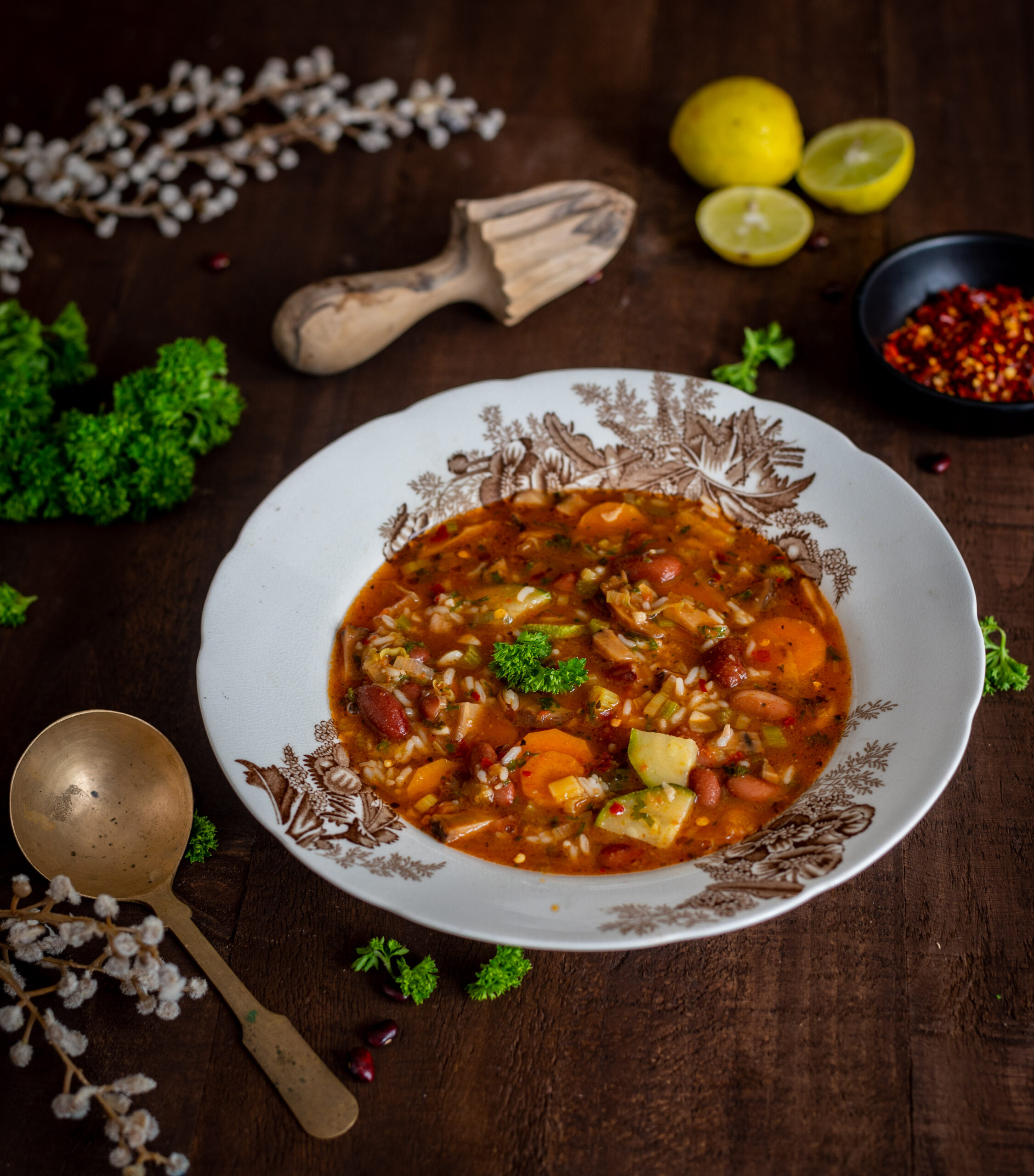
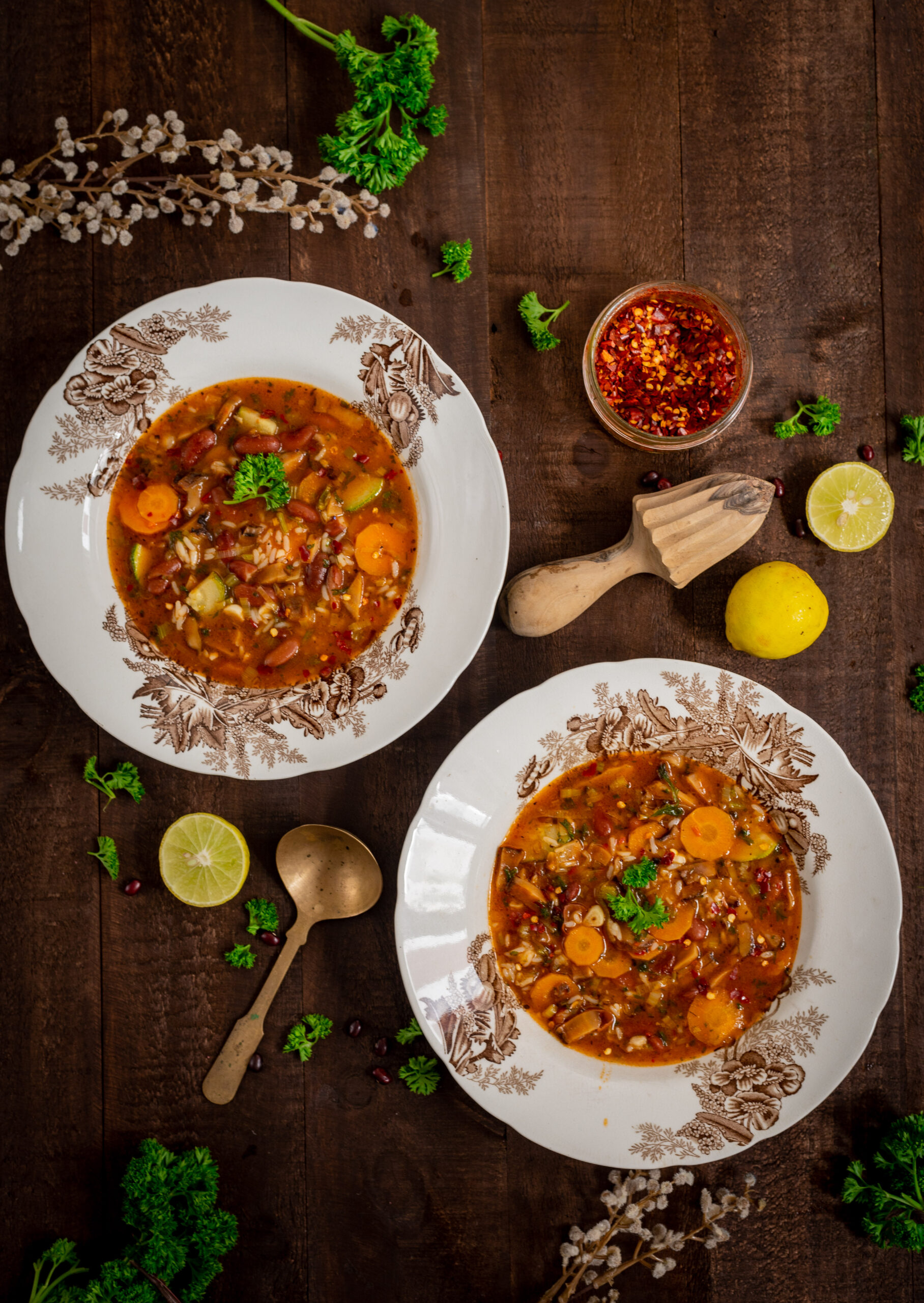
Minestrone is one of my favourite soups of all time, and the recipe was promised to you not once but twice, when I shared this sourdough toast post and this all-purpose tomato purée post some months ago. I think this is the perfect time to give you this one too, as the weather has turned cold even here in Chennai and we could all use a little more warmth.

This simple and nourishing soup is an Italian dish, but one which has changed through the centuries. It is believed that it has ancient origins, from before the Roman empire came into being, and that various trade influences led to more ingredients being incorporated to the base. Knowing that there is no one version of a strictly traditional minestrone makes me confident about sharing my version. It was a dish that I used to enjoy when I travelled abroad, but later started making at home too – a combination of wanting to be more self-sufficient, missing my travel experiences during lockdown, and a little bit of culinary FOMO. I now make it once or twice a week at home. Not only is it a very healthy dish, but it also helps to clear out excess vegetables in the fridge. This means it’s a great way to get the family to eat better. A big bowl of veggie-rich minestrone with some freshly-baked bread is a complete meal in itself. You can make it even more filling by adding quinoa, brown rice or pasta too.

Most minestrones that you may eat in Europe will contain borlotti beans (also known as cranberry beans) as their base, but these were in fact first cultivated in South America. This tells you that they must have been a later addition to the popular recipe, brought in during colonial times. This being the case, I am personally very happy to use any bean I have on hand. Here in India, we have a great variety. At home, we eat a different kind of bean daily – moong, channa and so on – as it suits our mostly vegetarian diets. For this recipe, I’ve chosen to use kidney beans as they are widely available everywhere. You can substitute them for your preferred local bean.

The secret to a great minestrone is in allowing a bit of the rind from Parmesan cheese to simmer in the soup as it cooks, which gives it a nice, nutty flavour. This plus the measured use of white wine retain the European-ness of the dish. Another ingredient that elevates it for me is my homemade tomato purée. A dollop of it makes a huge difference.

I’ve shared this recipe with various friends before, all of whom seem to love it just as much as we do at home. I hope that you will too. It’s very healthy, very tasty, and while it’s no ordinary vegetable soup, it’s just as easy to make.

Minestrone

(Yield: 2 large bowls/2 persons)


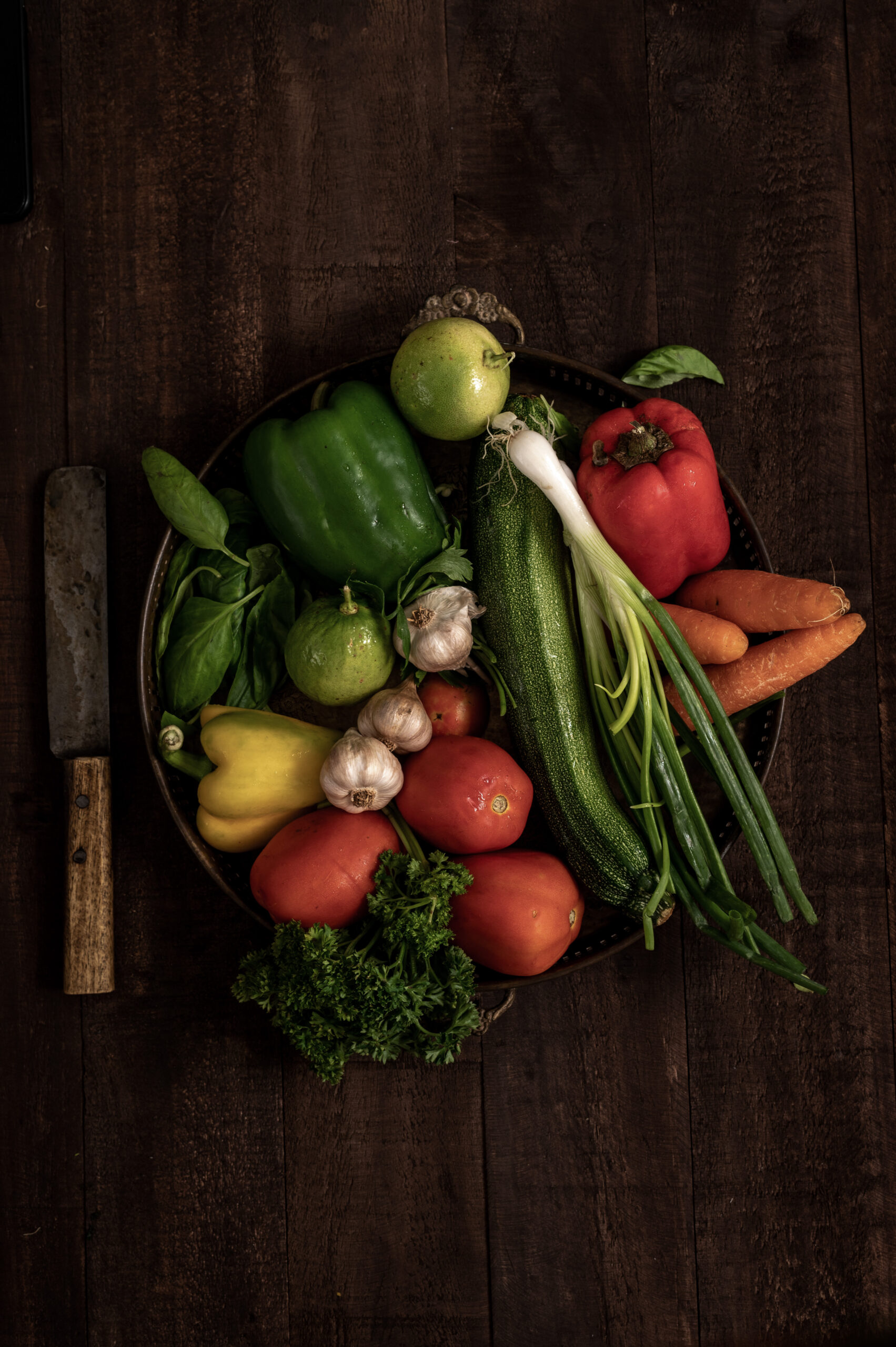
20 grams leek

25 grams celery

25 grams spring onions

100 grams zucchini, carrot, mushroom

4 cloves garlic

2 tablespoons olive oil

3 tablespoons fresh chopped parsley

2 tablespoons fresh chopped basil

2 tablespoons tomato purée

75 grams boiled kidney beans

1 cube/2 cups vegetable stock (i.e. 2 cups of boiling hot water added to one organic cube)

2-3 tablespoons white wine

1 or 2-inch Parmesan rind

Pasta/brown rice/quinoa (optional)


Sauté the garlic cloves, leek, celery, spring onions, zucchini, carrot and mushroom for a few minutes.

Add the tomato purée to this and stir well.

Next, if you are using pasta or brown rice in this soup, add that as well.

Add the kidney beans and the freshly chopped herbs. Then, pour in the vegetable stock. Freshly-made stock is always best, but cubes will work well too. After this, add the Parmesan rind to the pot and let it impart its flavour to the soup.

Add the white wine and salt to taste. Be careful with the quantities of both. Just a little more wine than you need, and the whole soup is spoiled. The tomato purée already contains salt so you will need less of it than you think.

Finally, add some chilli flakes, and garnish with chopped parsley and spring onions, and a squeeze of lemon. Remove the Parmesan rind before serving.

Serve warm. This soup works beautifully as a side, and if you have added brown rice or pasta, it can become its own meal-in-a-bowl too. I often bake a garlic pull-apart roll to go with this. My kids are tempted as soon as they see that soft, fluffy pastry, straight from the oven and tantalizing them on the table, and it draws them to sit down with a freshly-made bowl of soup too.

I hope this lovely minestrone brings you much deliciousness this December, as this year winds down and we take stock (no pun intended) of all it has contained. I wouldn’t be surprised if it becomes prepared as often in your home as it is in mine. Try it, and tell me if that’s the case! As always, I love hearing from you.

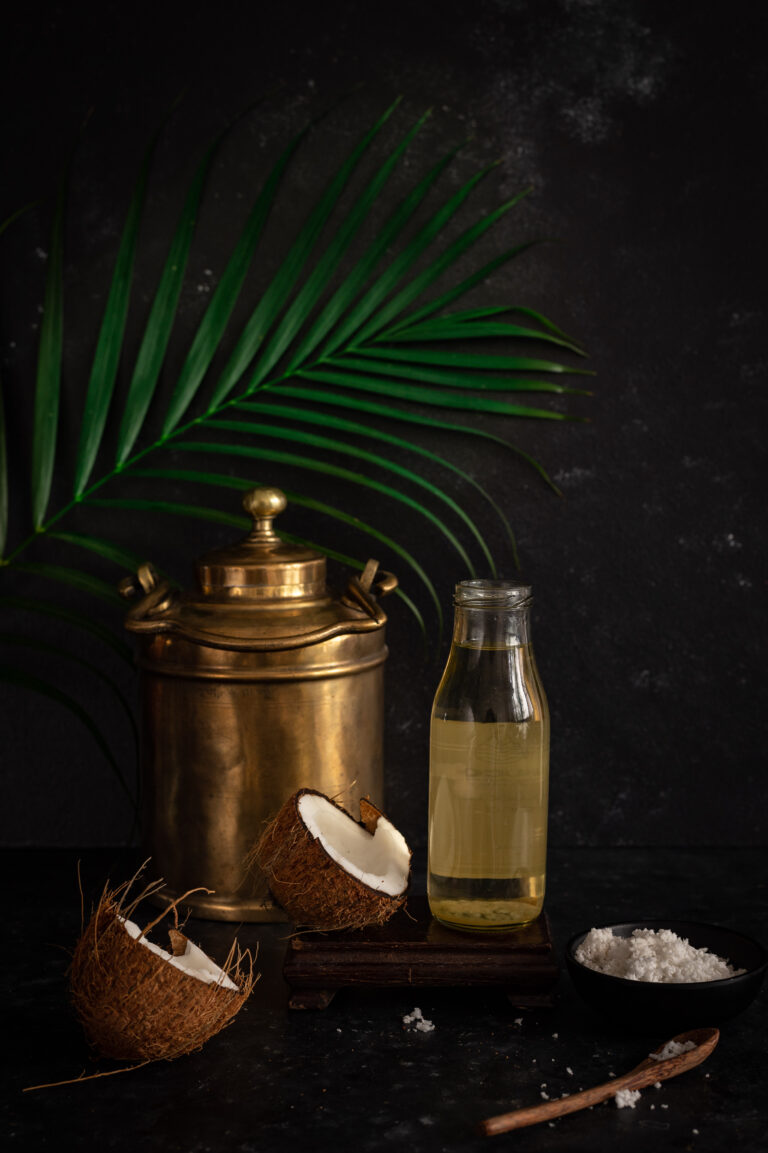
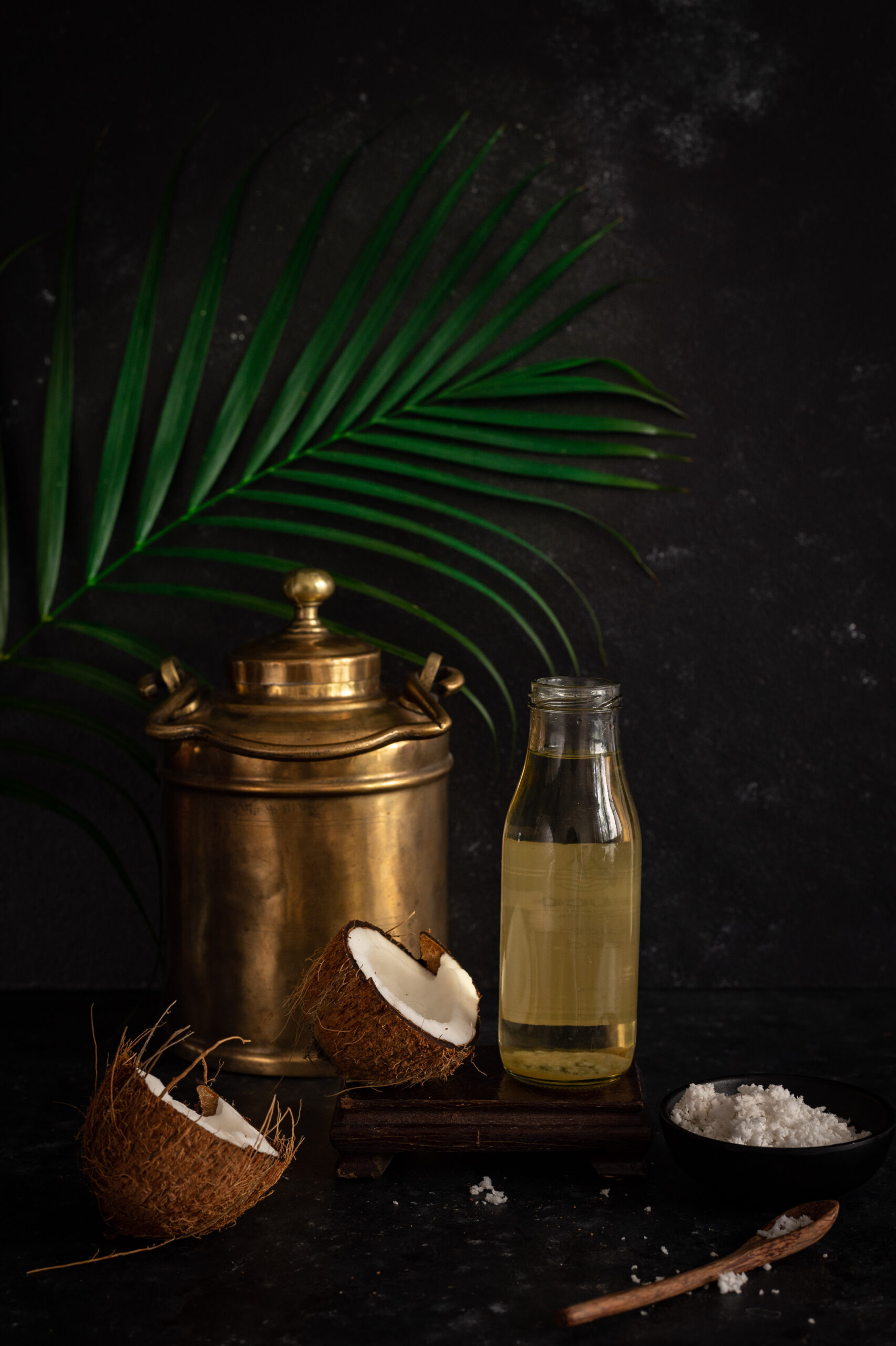
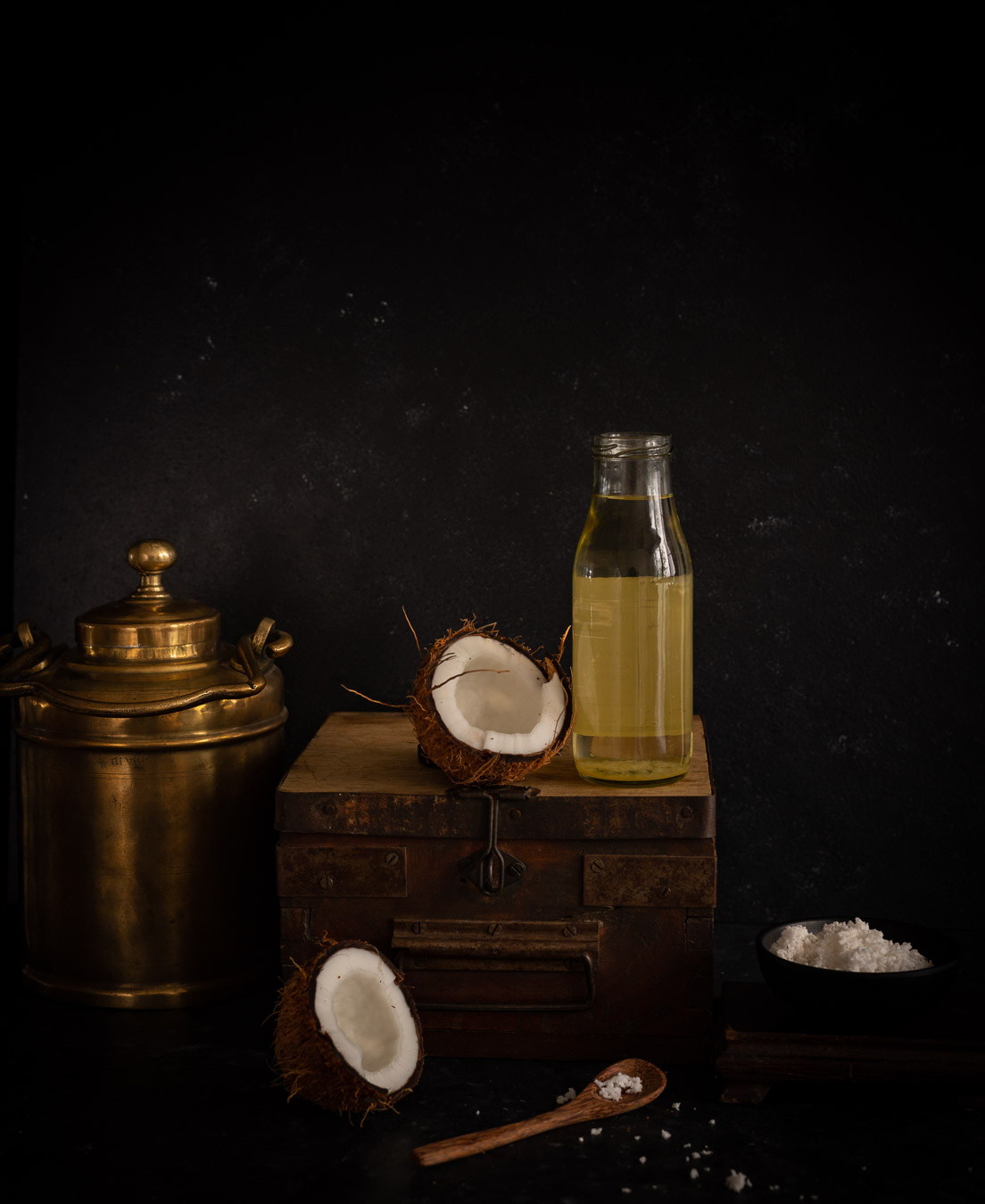
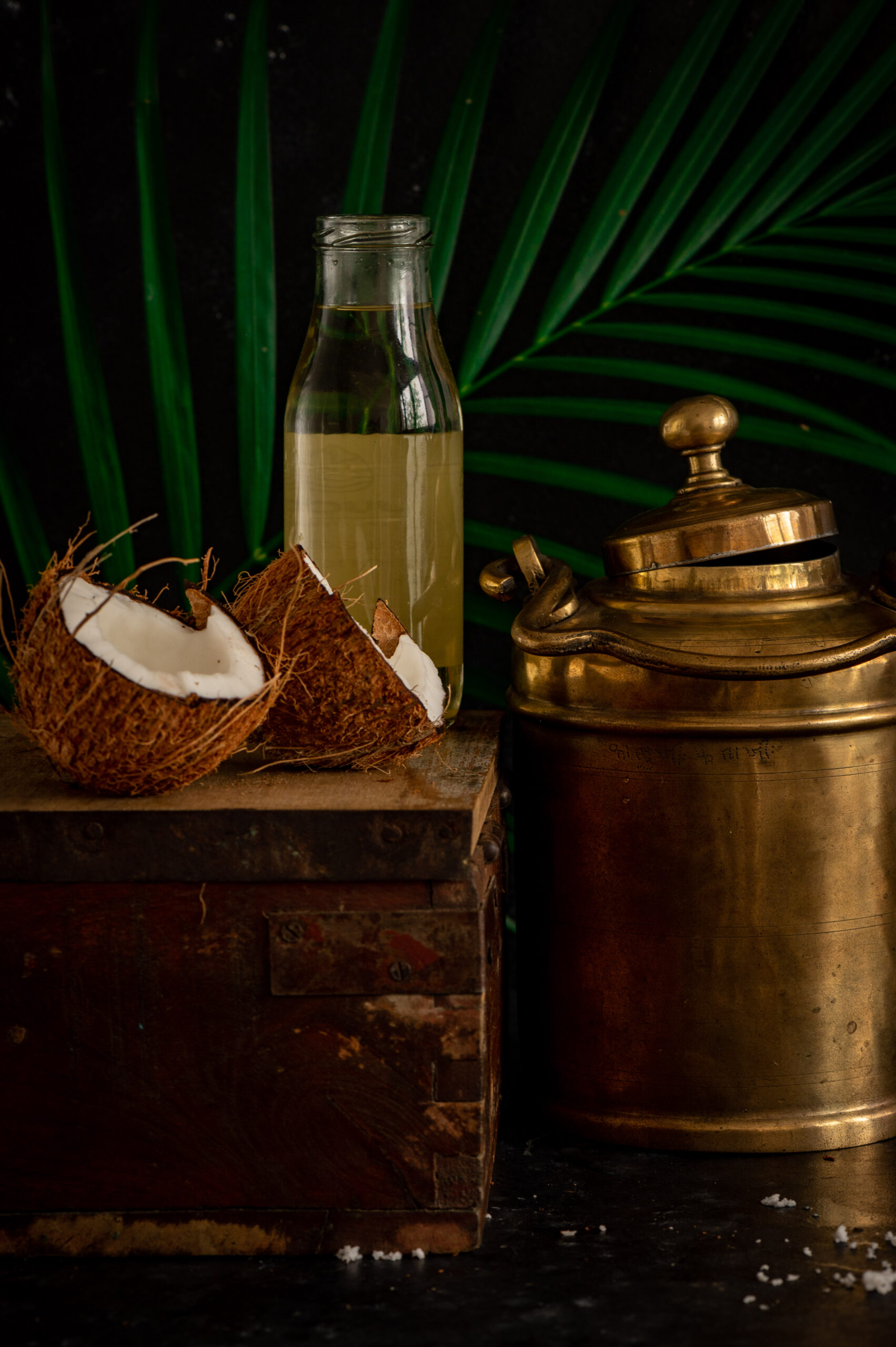
The coconut series continues with something a little different this time: coconut oil! Yes, the oil that most of us are used to purchasing can indeed be made not just at home, but even in a city like Chennai, as long as you have coconut trees around. With about a dozen coconut trees at home, and a reliable coconut harvester who was willing to visit, I collected a big batch of coconuts and embarked on my next adventure.

I’m going through a phase where I feel like I want to learn everything there is to know about food and cooking. Nowadays, when I hear about someone making a special jam or baking a new kind of cake, I experience FOMO (“fear of missing out”). Maybe this comes from having been very naughty as a child, and never focusing on my studies then – at least, that’s what I jokingly say to my kids each time they’re surprised to hear that I’ve taken up a new course or have signed up for some workshop. But I believe in challenging myself and growing. I want to be more self-reliant, and discover new things. Even though it’s impossible to truly learn, let alone master, every single possible recipe or method out there, I feel an urge to try. So when my friend Sujata told me that she had successfully made her own coconut oil, I immediately went, “OMG, I want to do this too!” My motivation was perfectly-timed, as the trees were ripe for harvest just then.

Coconut oil is only one of the many ways that the different parts of the bountiful coconut tree can be used. As I create this series for the blog, I’ve been reflecting on the versatility of the tree in its entirety, even though I’m personally only using its fruits. For instance, I recall how when I was growing up, there was a lady who would come home sometimes, take a knife, sit outside with some coconut tree fronds and use a knife to craft a broom (“thodapam” in Tamil) whenever a new one was needed. I’d watched this process many times over the years. Wherever the tree grows, the shells are used as utensils and even as a charcoal replacement, the husks to fashion ropes out of, the leaves in weaving and thatching, the flowers in herbal medicine, and so on. The edible flesh and water aren’t the only good things to come from this amazing tree.

What follows is more of a method than a recipe as such, and what is produced as a result will be a beautiful and versatile ingredient that you can use in everything from food to beauty essentials. Coconut oil is a staple in South India, used for everything from improving hair health to daily frying needs. It’s also something that has attracted the attention of beauty and health enthusiasts internationally. The latest trend I’ve read about is to have a spoonful of pure coconut oil in the mornings, as this is said to be good for the brain. What I will do in this post is walk you through my own process of preparing coconut oil, and my learnings from the same.

In order to prepare your own coconut oil, you’ll need: coconuts, access to a cold pressery, and space to sun-dry. There are many places in Chennai that do cold-pressing, and it should be possible for you to find a unit near you wherever you are.

The first step is to harvest the coconuts, of course. Then, they are peeled and chopped into smaller pieces (they will need to be small enough to feed to the cold pressing unit). The flesh is left to sun-dry for between four and seven days, depending on the coconut. You will know that it’s done when you press it with your thumb and it releases a little bit of oil.

Next, the dried pieces are sent to the cold pressery. I wanted to supervise the process to ensure that there was no dilution of any sort. The unit where I had my coconut oil made used a lovely old machine made of wood and canvas. I put in about 20 kilos of coconuts and got back about about half as much in raw oil.

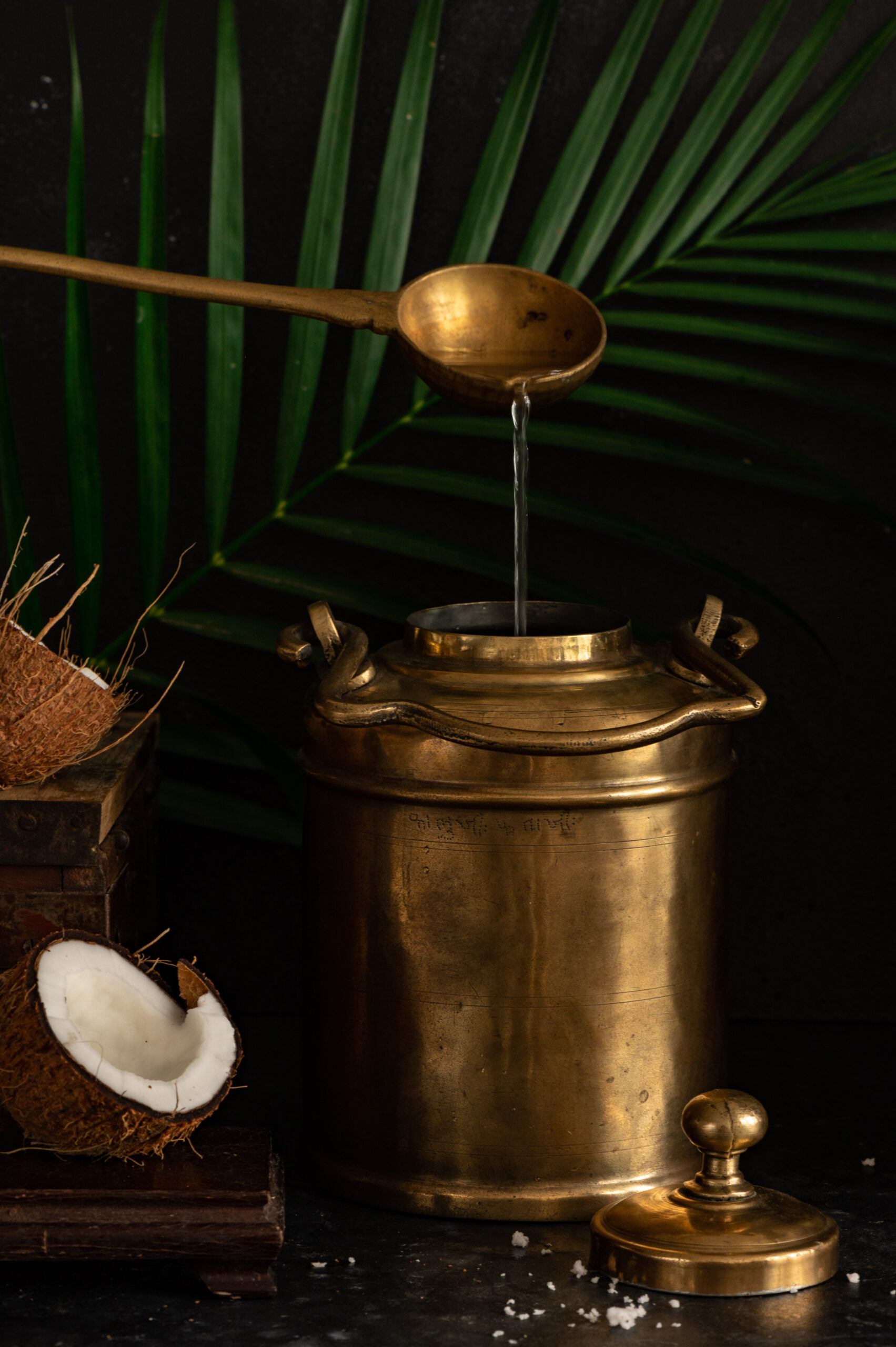
The process doesn’t end there, however. This huge container of oil I came home with then had to be dried again, so that residual moisture from the coconut flesh gets evaporated. What you have to do at this stage is to pour it out into flat pans, and allow these to dry in the sun for anywhere between three and five days. You will know that it is done when all the dust particles settle at the bottom, and the raw smell goes away. This being my first time making my own oil, I was not sure whether the final product was less fragrant than the store-bought versions because I hadn’t let the coconut pieces dry long enough, or simply because they were free of artificial additives. Either way, once the oil completed the drying stage, it was ready to use. I couldn’t help but marvel at the result.

And there you have it: coconut oil that you can be sure is free of contamination, preservatives or any other issue that may come with commercially-produced brands. I can’t tell you what a delight it is to have your very own cold-pressed coconut oil. That’s something that you must experience for yourself, and if you can, please do.

Embarking on this little adventure was very rewarding for me, but the thing about my FOMO and subsequent hunger to do more is that sometimes experiments don’t turn out as expected. Whenever this happens, I always tell myself that it’s okay, and that I can focus on what I know I do well and can take pride in. For instance, expanding my repertoire of cakes is something that I am really keen to do, and I’m constantly exploring new recipes and whipping up trial batches. You may have seen the new additions I made to the menu recently, and it’s been really wonderful to prepare your orders for this festive season too.

I would even go as far as to say that I like to show off a little with each successful experiment, but when I share how I did it, I pass on that sense of achievement to you. It’s so exciting to have something that is all handmade, and made to order just for you. I’ve been sharing the oil from my coconut trees with very dear friends in glass jars, so in addition to being used at home both in cooking and in grooming, they’ve also become perfect for gifting this year.

I’d love to know if you try out preparing your own coconut oil based on my own experiment here. I’d also love to know how you use it. I am sure that you will find, as I have, that making your own batch of coconut oil is worth its weight in gold.