Tag

Spain

Browsing

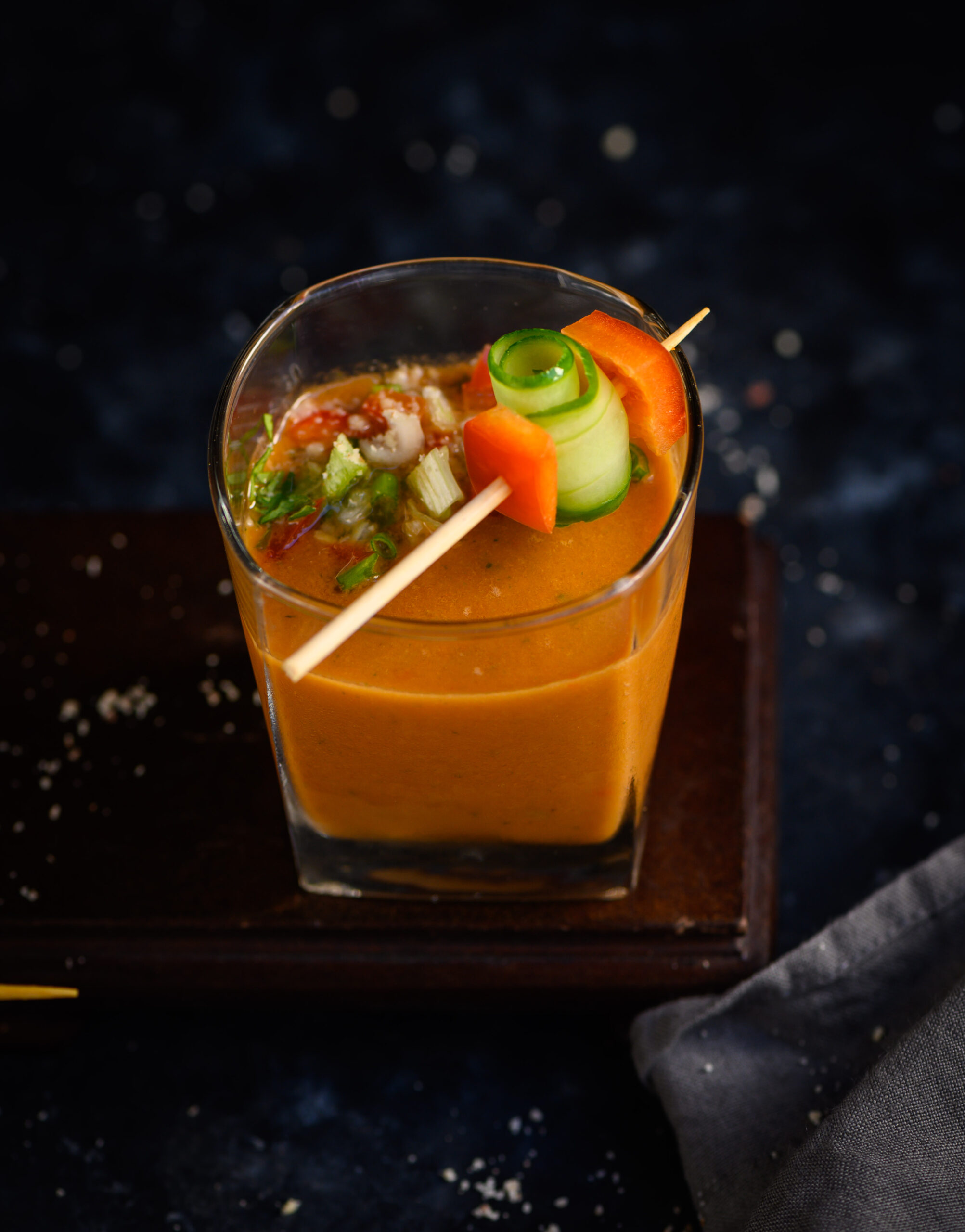
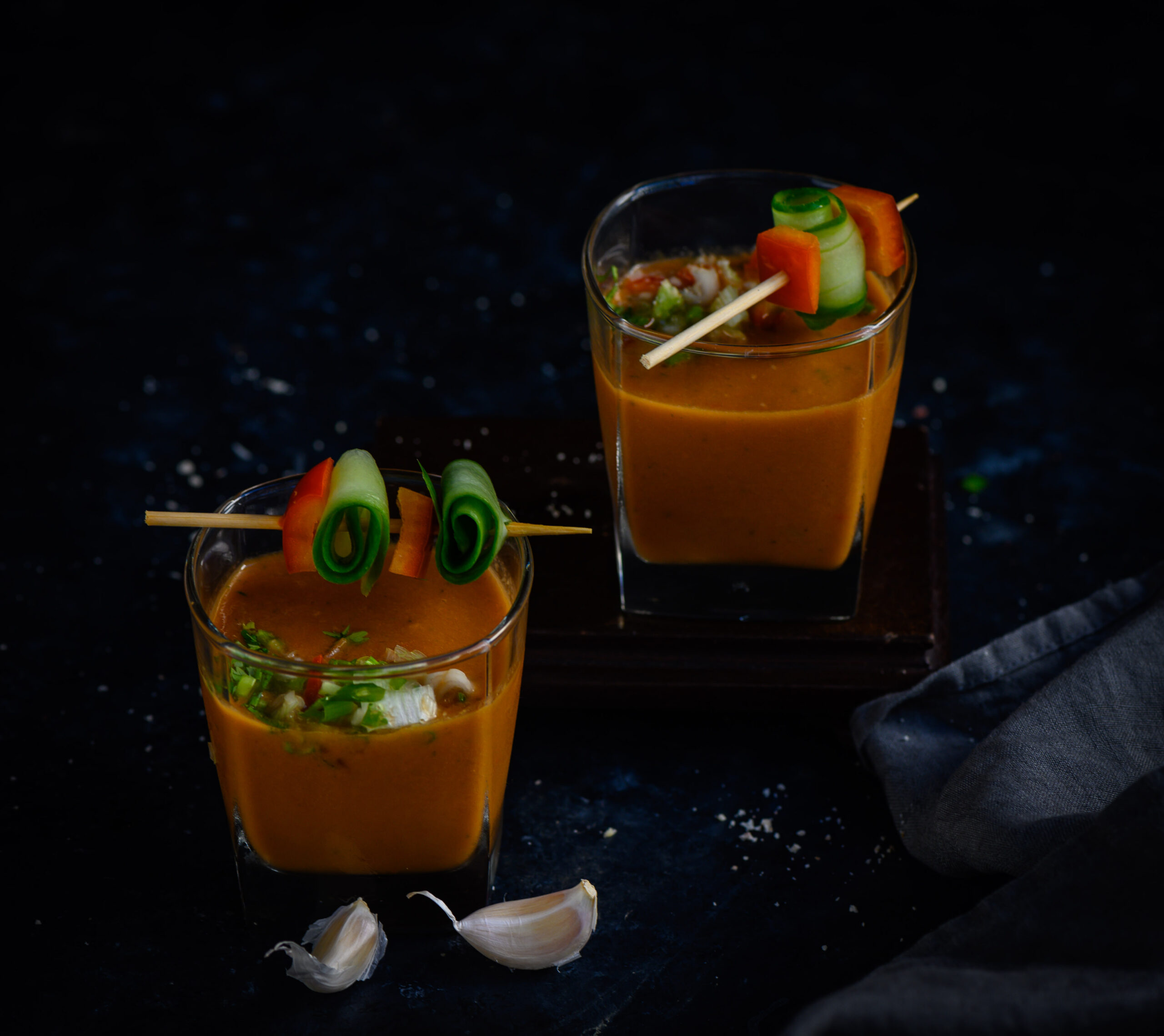
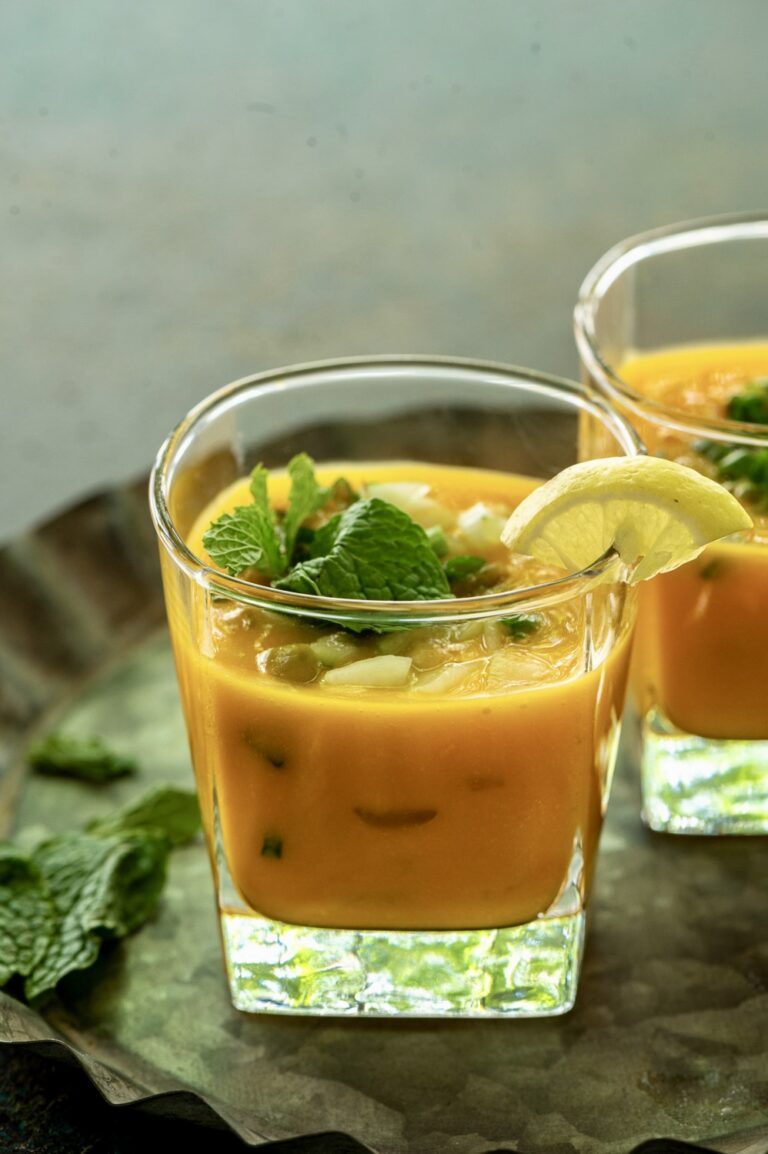
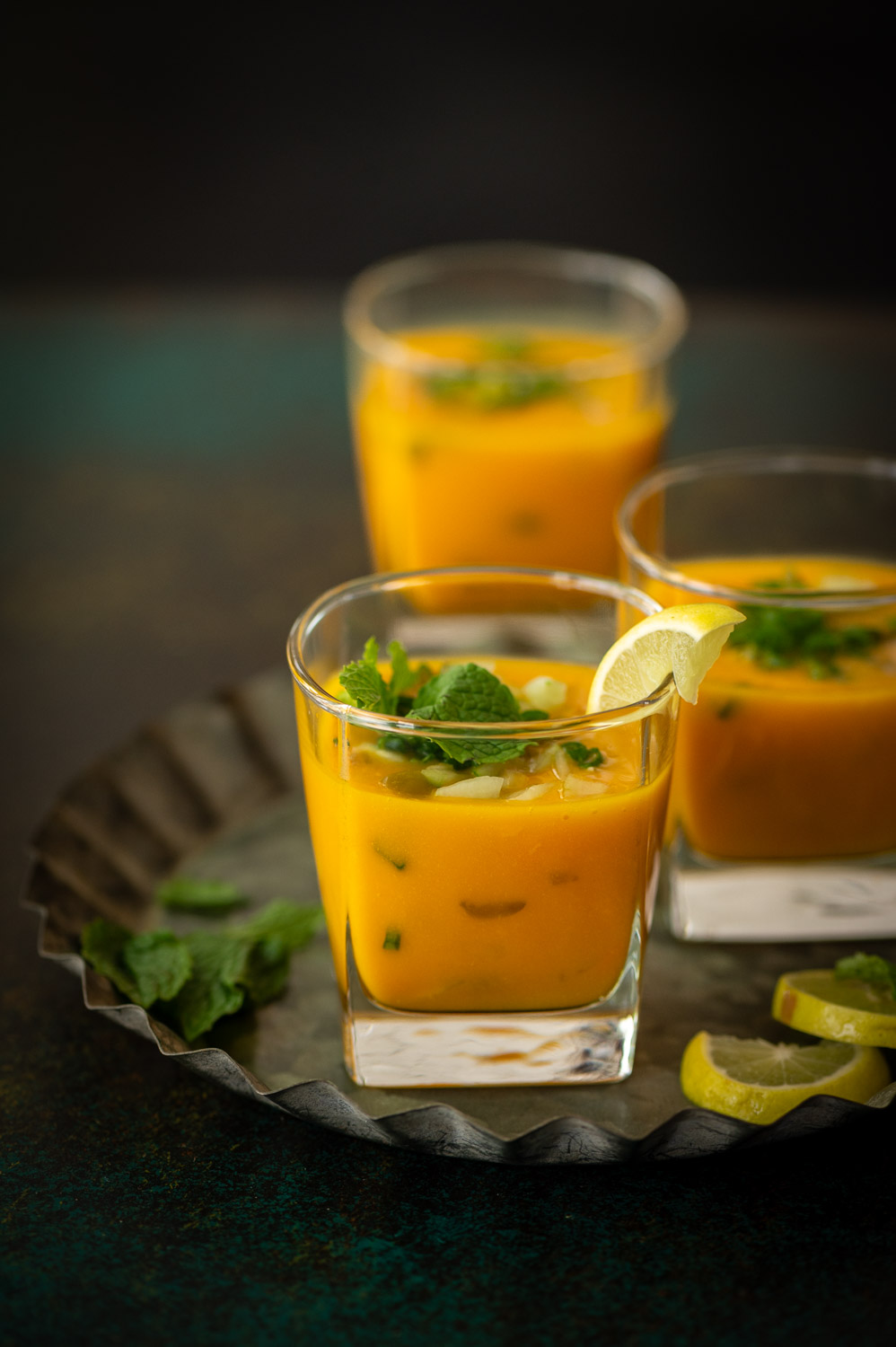
I travelled quite a bit recently, during the height of the Indian summer. While away, I experienced rather different weather conditions, including springtime. I found a bounty of lovely vegetables available at the markets, and took advantage of this to make a variety of soups every day for lunch. I thoroughly enjoyed these, and once I returned home, I still felt eager to keep that routine. Here, of course, summer means mangoes, mangoes, mangoes. Fortunately, the king of fruits being in season gave me an excellent way to have the best of both worlds, and stay in soup mode: a mango gazpacho.

The gazpacho is a cold soup that was originally prepared in Andalusia. It predates refrigeration, and the desired temperature would be achieved both through using specific pounding techniques on the ingredients as well as through the kind of earthenware used to store or serve it. Now, of course, a gazpacho is much easier to chill.

Here in India, soups – let alone cold soups – are not yet a very popular concept except as a novelty, but I do believe that an easy recipe like this can change that. We tend to prefer buttermilk or seasonal juices, like this jamun drink to help us beat the heat, but as the temperature rises each year, so too should our imaginativeness and resourcefulness. Even when it comes to gazpacho itself, I should note that tomatoes are usually the main ingredient, certainly not fruits, although many innovations exist.

The dish has made a prior appearance on this blog, in the form of watermelon gazpacho, which was for a long time a summer favourite in my home. While both are fruit-based renditions, there is a vast difference in the flavours of both. I had never tried a mango gazpacho before, and was simply curious about how it may turn out. The results were fantastic, as you may soon experience for yourself.

When I began posting on this blog less, so as to focus on my forthcoming book more, I thought that I was going to break my longstanding tradition of sharing mango recipes during the season. Not so, as it turns out. That said, I have noticed that this year the mango harvests seem a bit lean. I have observed that this seems to happen every other year, and there must be some kind of logic of seasonality to this. Additionally, this year the better harvests started late, not in March as they usually do, which is why we are able to have good mangoes well into June.

As someone who is fortunate to grow, be gifted as well as to purchase mangoes, I feel we are just so lucky to have the season at all. I really do make the most of it every year. Adding this gazpacho into my mango consumption has been a delight.

I must admit, however: while the mango gazpacho helped me transition back to my standard Indian thalis after eating hearty bowls of vegetable soup every day while abroad for a few weeks, I did manage to regulate my cravings so that I now prepare the gazpacho as an appetizer of sorts rather than as either a soup or main course. That is because it does have a high sugar content. Nowadays, I serve it in small glasses before the main meal. That way, it’s possible to have it more frequently too.

Like most good things, it’s all about moderation. There is also an Ayurvedic technique that can reduce the heatiness of the mango. Soak it in water, whole and with the peel on, for anywhere between half an hour and two hours prior to consumption. While that doesn’t help with the sugar quotient, it can help with the overall effect on the body. Don’t forget that by its nature, any gazpacho becomes quite welcome at the peak of summer, and this preparatory step may further influence its value as a cooling dish.
Mango Gazpacho
(Serves: 4)

1 cup mango chunks
1½ cups water (or as required)
Salt to taste
1 tablespoon rice vinegar
1 tablespoon lemon juice
1 tablespoon cucumber (finely chopped)
1 tablespoon jalapeños (finely chopped)
½ tablespoon onions (finely chopped)
A few spring onion leaves
1 teaspoon mint leaves (chopped)

Blend together the mango chunks, water, rice vinegar, salt, lemon juice and olive oil. Process until smooth. Pour into a bowl.

Now, add the cucumber, jalapeño and onions. Stir and refrigerate until ready to serve.

Garnish with mint leaves and spring onion leaves.

I am very sure that this mango gazpacho will be an enjoyable addition to your repertoire. If you like soups and/or love mangoes, there are many more recipes to explore in either or both directions across my archive too!
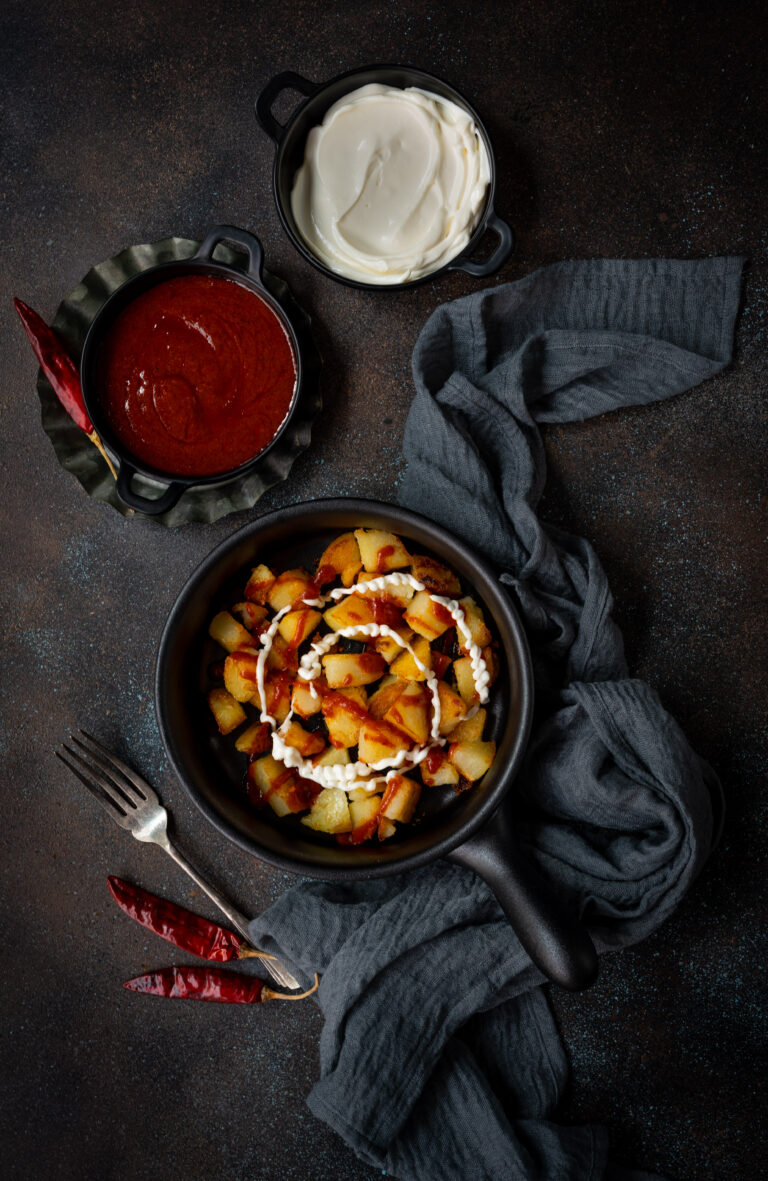
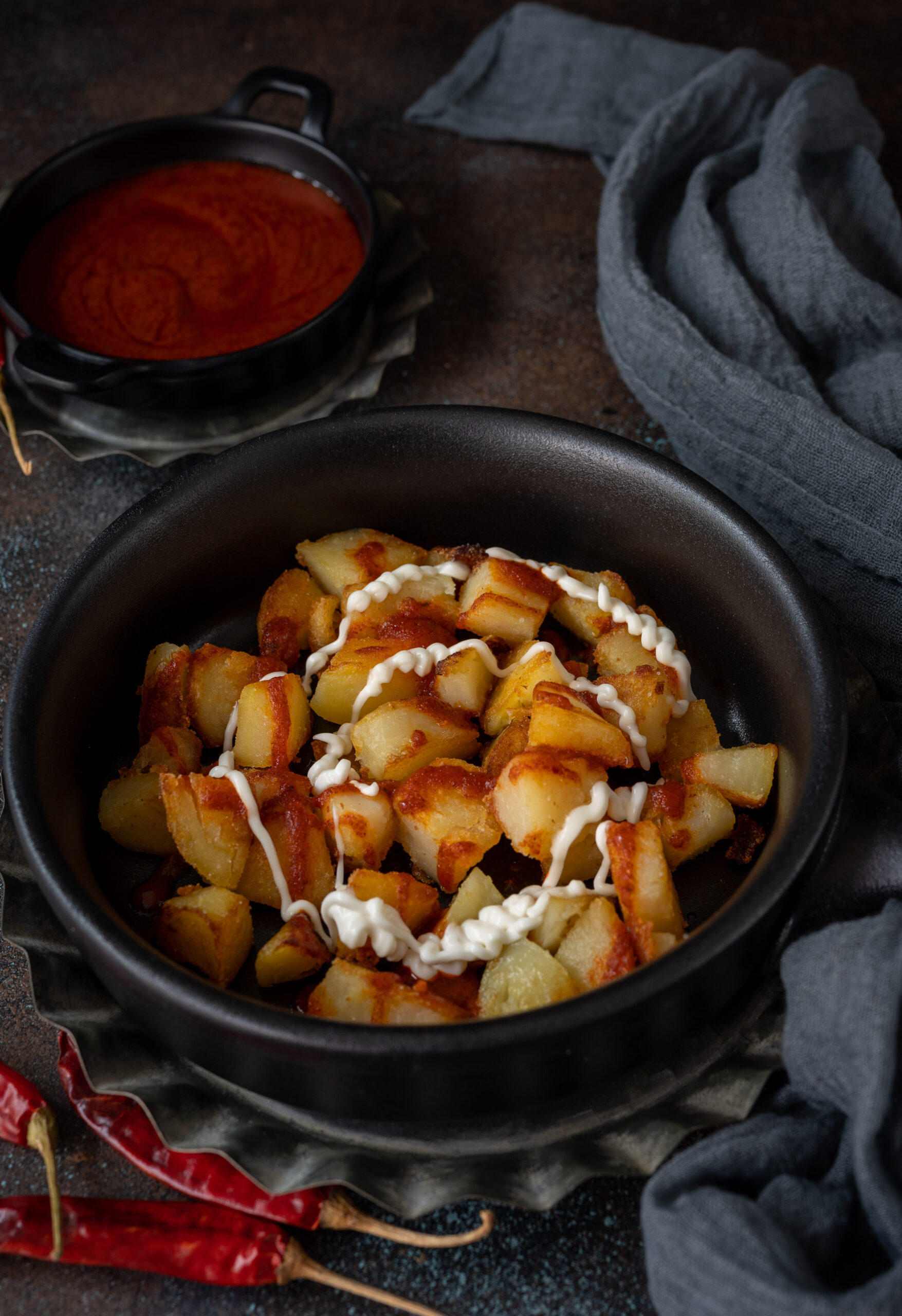
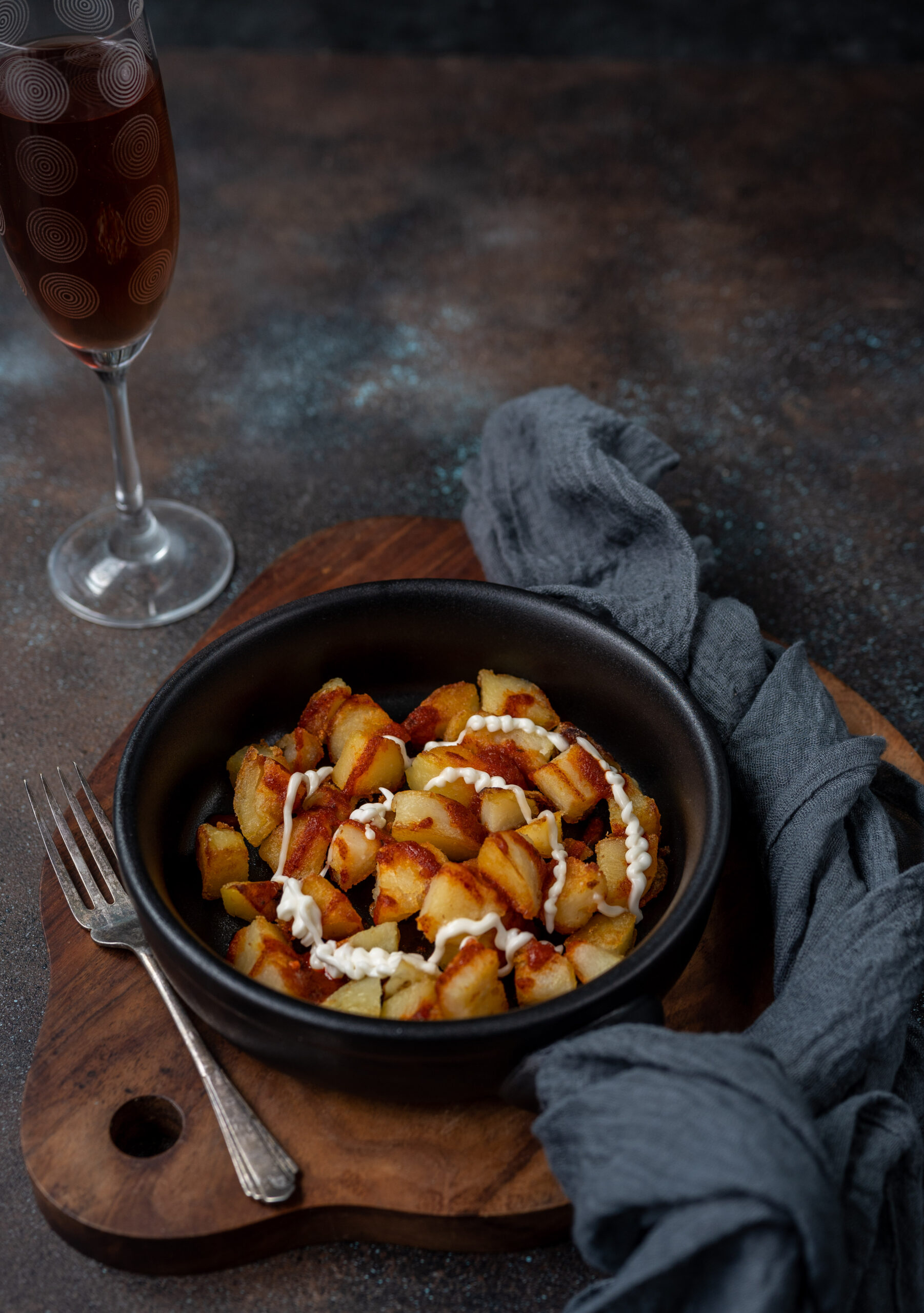
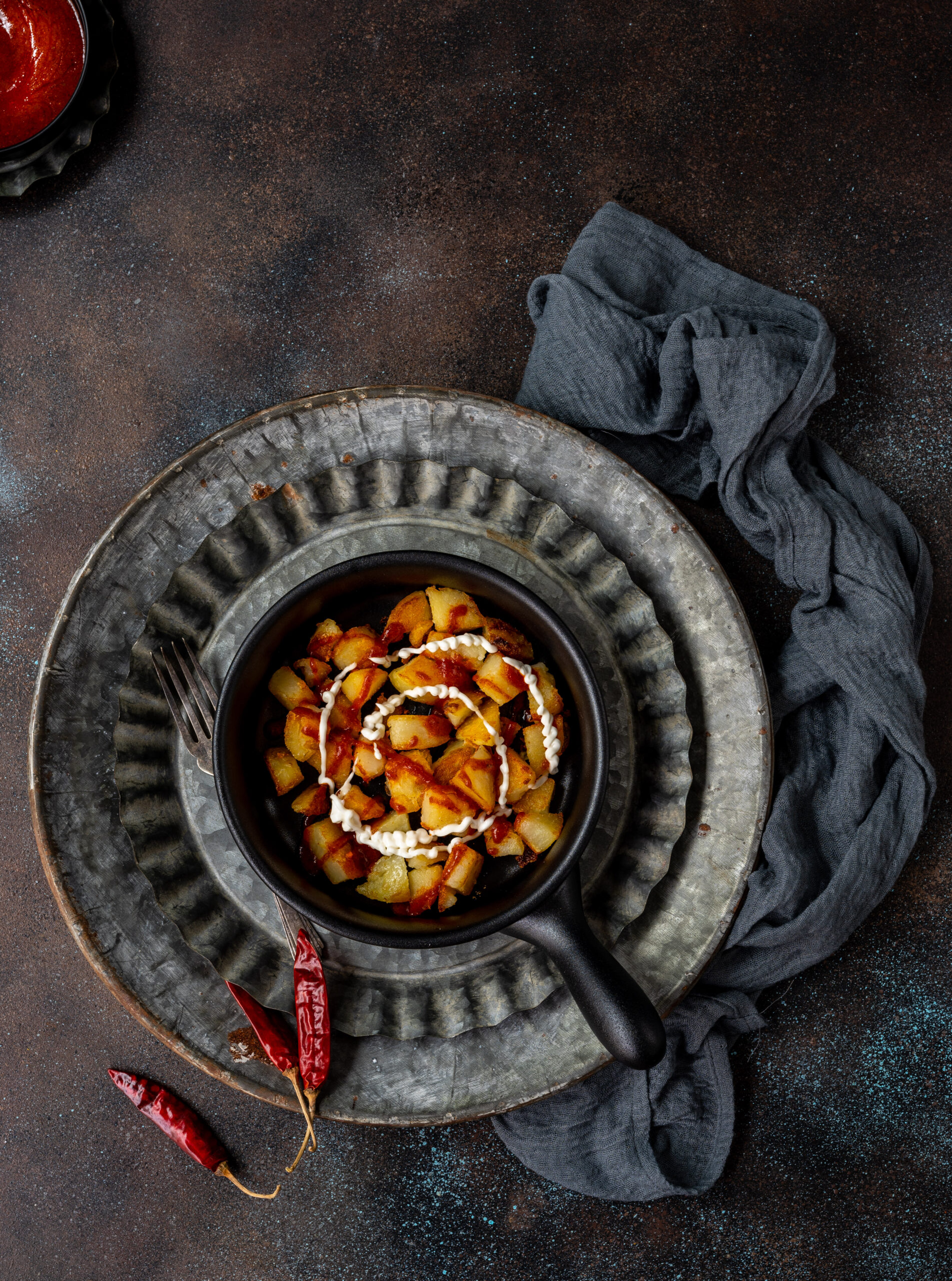
Last week, I shared the recipe for a saffron crème brûlée, a close rendition of my favourite dessert, crema catalana. Nostalgia for the vibrant city of Barcelona and for all the delicious food I’ve enjoyed there also made me fondly recall how I love patatas bravas too. It’s a typical Spanish dish, with a name that translates to “spicy potatoes”, and I’m so happy to share this recipe with you too.

Patatas bravas fall into the category of tapas or small plates dishes, and can be found delicious and cheap all over Spain. The best I’ve had was at a small and nondescript place, popular with the locals, that a friend took me to. They originated in Madrid, but I first enjoyed them in beautiful Barcelona, naturally. My husband used to export garments and I would accompany him on business trips to the city. We would often end the busy days with a plate of spectacularly-made Spanish potatoes. No trip, however short it may have been, was complete without some patatas bravas.

Intriguingly, I learnt that the Europeans did not consider the potato an edible item when it was first brought there from the Americas. It was looked down on by the elite as food that was only for labourers, who needed its energy benefits. The Spanish armies did consume it for this reason, however. When famines hit in the 18th century, the durable potato finally found pride of place in the European palate. Imagine: they deprived themselves of such deliciousness earlier!

Now, of course, the potato is hardly seen as humble. At El Tomás de Sarrià, the Barcelona restaurant that is most famous for the patatas bravas, their preparation of the dish is so renowned that the son-in-law of the King of Spain, numerous famous football and handball players and other celebrities have been known to frequent it.

But really, who doesn’t love potatoes? At home, we consume them in any form. Fried, sautéed, mashed, you name it. As much as I personally love them too, I do try to avoid eating them because I know how addictive they are. Once I start on just one wedge, I can’t stop myself from reaching out for more. Funnily enough, this is the same complaint – or compliment, rather – that I receive about my almond brittle. It happens quite often that a customer will call me up and say, “I couldn’t stop munching on them and have finished the batch you sent already! Do you have more?”.

These cherished “demands”, that I so gladly fulfil, also come from my family. For instance, whenever I make shakshouka, the family wants potatoes on the side. I discovered that patatas bravas are a brilliant accompaniment to that egg-based dish, and this multi-continental medley is much enjoyed at home. Every time I up my game a little bit, such as by substituting some plain vegetable dish for something more exciting like patatas bravas, the family decides that that’s the combo that they want ever onward. Do you ever find this happening – as your repertoire expands, the meals you prepare become more elaborate because the people you cook for begin to ask for specific dishes more frequently?

Our potato obsession at home is so intense that my husband even went so far as to buy an air fryer so as to eat healthier and feel less guilty about his consumption. But I personally feel that it’s better to have the oil-fried version occasionally than to use the air fryer every day. So that machine has been shelved for now, gathering dust in some poor corner. In the meanwhile, we are enjoying our almost-authentic patatas bravas, made with oil and love and lots of other good stuff!

Patatas Bravas

(Yield portion: 1, serves 2)


2-3 cups diced potatoes

2 cups oil for frying

Salt to taste


Alioli

2 garlic pods crushed

¼ cup mayonnaise


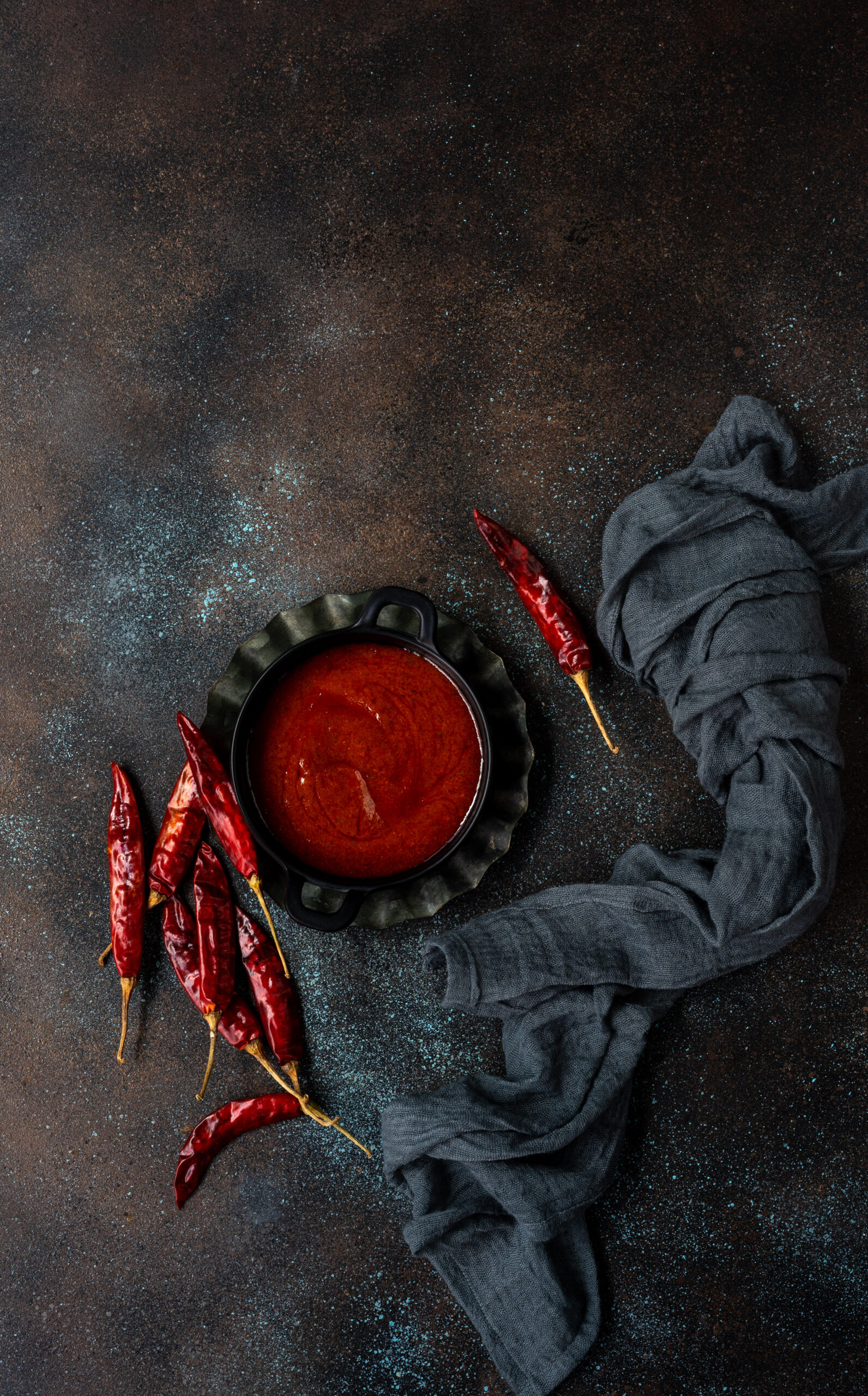
Bravas sauce

¼ cup olive oil

1 tablespoon paprika

1 teaspoon chili powder

Salt to taste

1½ teaspoons corn flour

1 cup vegetable broth


Patatas bravas are easy to make, and you begin with the potatoes and prepare the two sauces while they are frying.

Heat up the oil in a pan and deep fry the potatoes until they are golden. Drain them on a paper and then place them in a wide bowl.

Prepare the aioli sauce by crushing the garlic well and mixing it into the mayonnaise. Stir until well incorporated.

Prepare the bravas sauce by first adding the oil to a saucepan. Once it has heated, add the chili powders and flour. Stir till toasty. Then, add the vegetable broth gently and stir till emulsified. Boil on a low flame until the sauce thickens (this will take approximately 3-5 minutes). The sauce should have a consistency that can be drizzled.

To assemble the dish, simply drizzle the two sauces, aioli and bravas, over the fried potatoes and serve hot. You can also add some mayonnaise or sour cream, if you prefer.

I wonder what these patatas bravas will taste like if I swap the regular potatoes out for sweet potatoes. I’m definitely going to give that experiment a try…

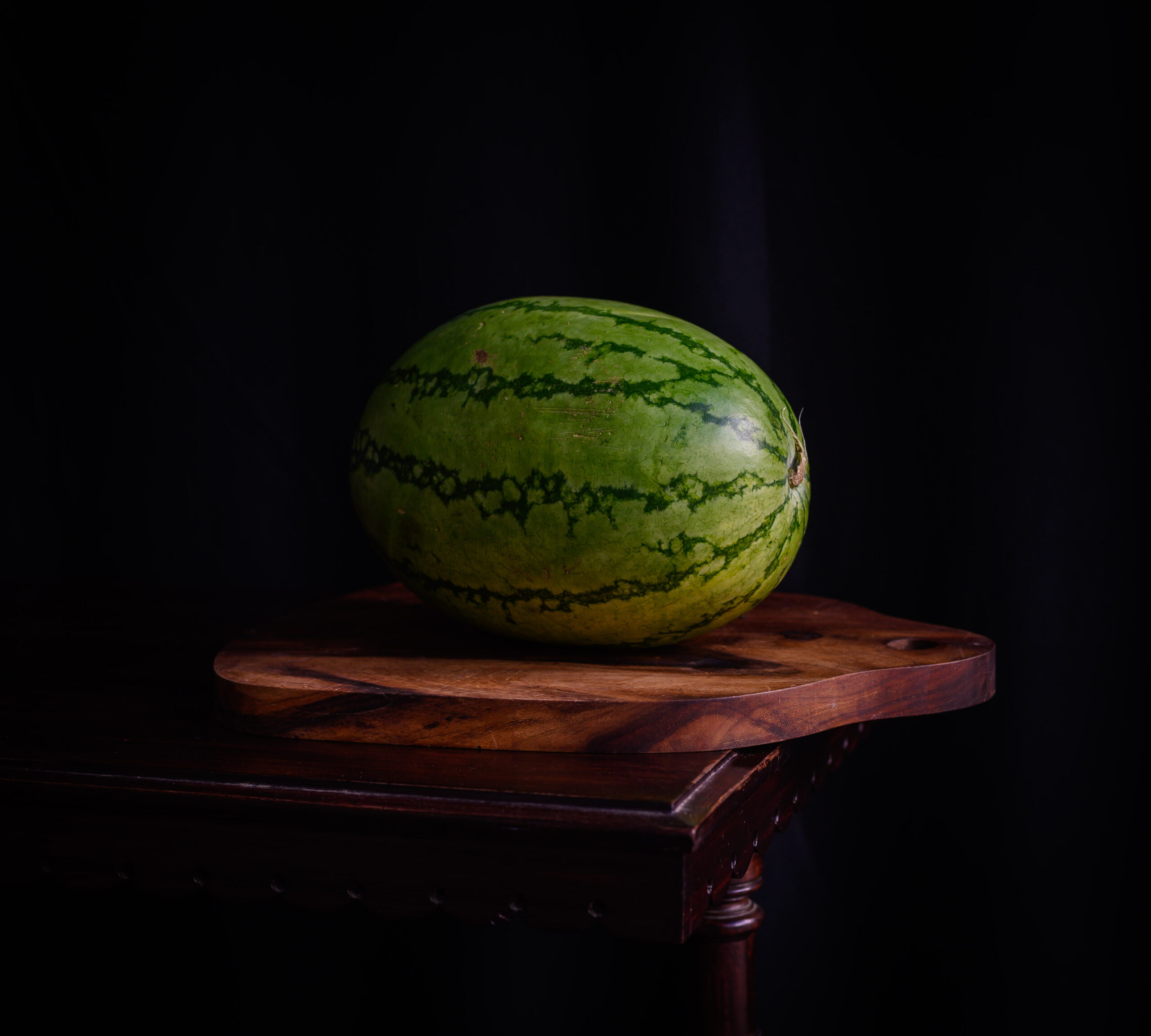
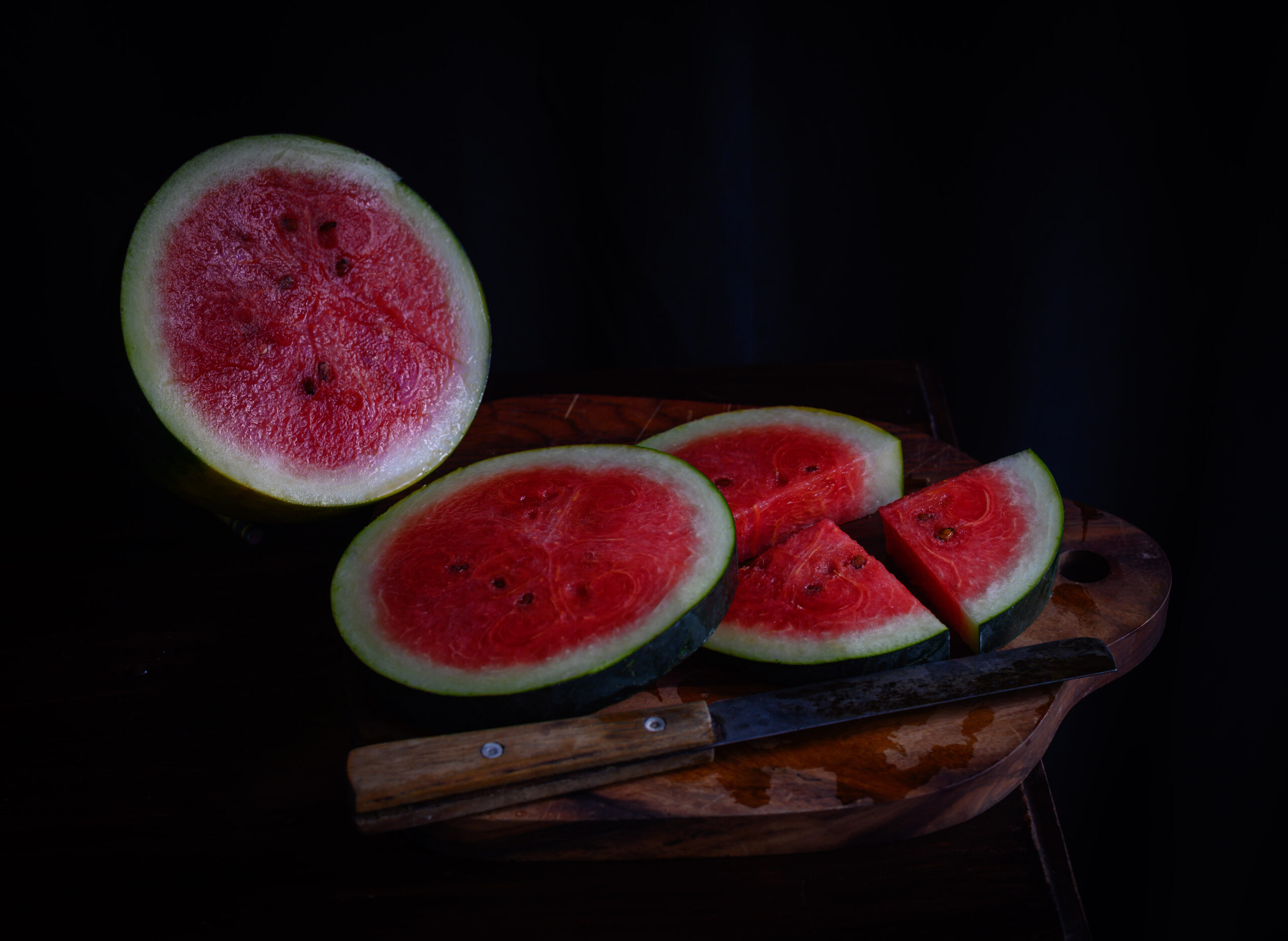
Perhaps the combination of the sweltering Chennai summer and the memories evoked by my last post, on travels through Spain, were what made me crave this Andalusian dish. Gazpacho is a kind of cold soup, not soup gone cold but rather soup which has never been heated. Tomato is often the base, but I took the element of cooling a step further and used a fruit that is a staple for us during this time of year: juicy, ripe, sweet watermelon.

Chennai being hot through most of the year, gazpacho is always welcomed in my home. But the summer demands extra cooling, so first I tried my hand at a yoghurt-based soup with mint. But it ended up tasting a bit like raita and was quickly dismissed from my dining table. That’s when the burst of seasonal fruit at Namma Suvai  – a place I like both for their honest and open policy of having back end (farmers) and front end operations meet, as well as for their superb organic range – gave me a brainwave. I picked up the watermelons, which grow best in warm climates and provide a much needed hydrating and cooling effect to the body. I had not eaten watermelon gazpacho before, even though I knew it existed, and so was all the more excited to try it.

Gazpacho is exceedingly easy to make, just a simple puree, and as I prepared it, I recalled how I used to try to get the kids to eat healthy when they were younger. It’s quite a task, as all moms know, and most of you will be familiar with the technique of disguising (or as the kids say “disgust-ing!”) soups with all kinds of vegetables. I would add locally grown, water-based vegetables like bottle gourd or ridge gourd along with carrots and onions to the basic tomato – all while making sure the red colour of the tomato, the vegetable most popular to their palate, remained. Needless to say, I’d feed it to them quickly, before they noticed their red soup was full of green goodness! As they grew older, they caught on to the trick and refused to eat soup unless it was made to their taste and preferred proportions. Sometimes, they would eat it just to please me, but then say “Ma, did you think we didn’t know?” Fortunately, their tastes became refined once they saw their own friends beginning to enjoy soups socially. Of course, no matter what age the kids are, a parent is still a parent, and those of us who are parents never stop trying to ensure that they are eating well.

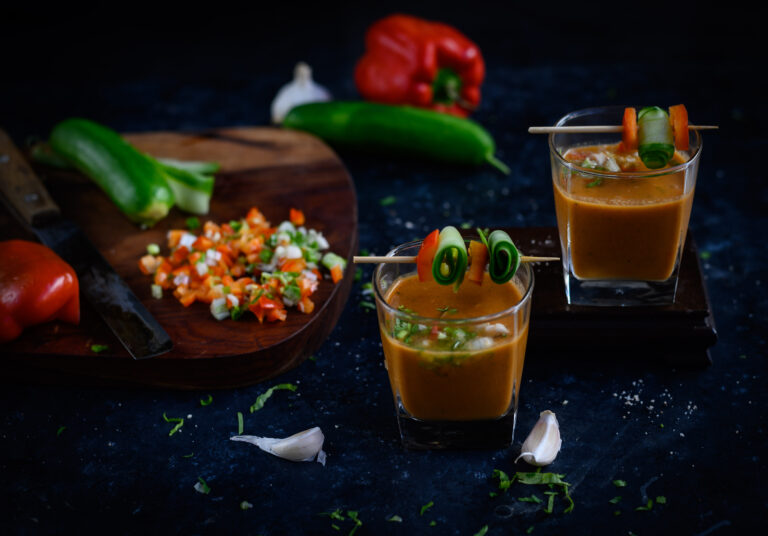
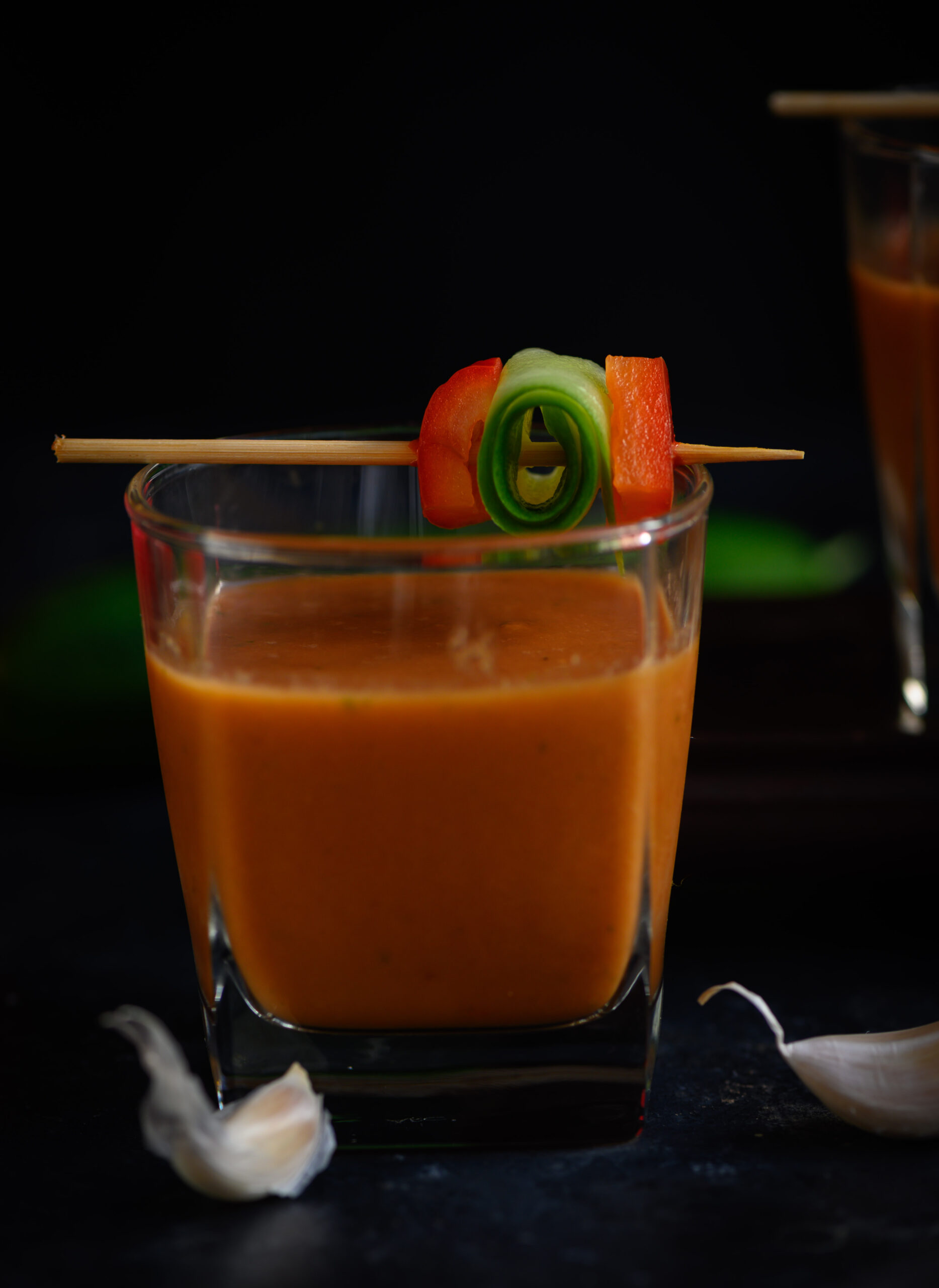
Even though I no longer needed to disguise this soup so it looked like tomato, maybe a little of that old desire to make my dishes as attractive for my kids as possible was still in me, so I wanted this gazpacho to be not just tasty but also vibrant both visually and on the tastebuds. So I added garlic, some colourful bell peppers and a hint of tomato to it. Raw chopped mango brought some tangy Indian-ness too, and a hint of chaat masala added familiar spice. The garnishing was meant to catch the eye, and so it did. Not only did the kids reach for it, but we had a surprise guest for dinner, and she thoroughly enjoyed my watermelon gazpacho along with my homemade sourdough.

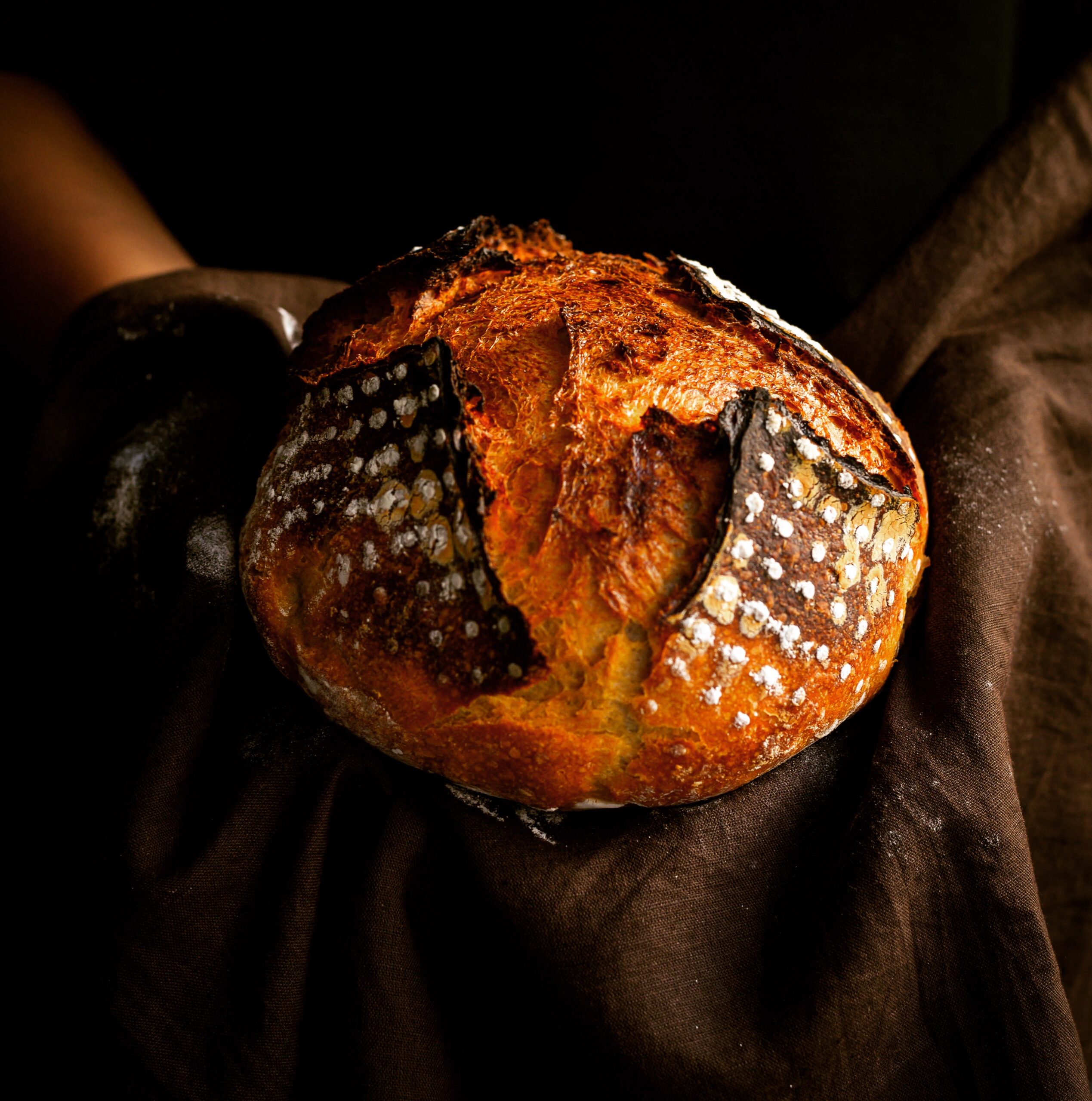
As those of you who have followed my Instagram Stories for a while know, sourdough was something I worked at every day, entirely convinced I would eventually get the hang of it, and I did. It’s a very long and cumbersome process, but one every baker should experiment with. Sourdough is a way to make bread without yeast, allowing the natural bacteria to ferment in the air. I now make it so often that I have so much bread that I end up making accompaniments to it instead of the other way round.

One such accompaniment, of course, is this bright and flavour-rich watermelon gazpacho, which brings together sweetness, spice and some much-needed summer cooling.

Watermelon Gazpacho

(Yield: 5-6 cups)

2 ½ cups watermelon – deseeded

¼ cup tomato

¼ cup chopped red capsicum

¼ cup spring onions

3-4 cloves garlic

2 tablespoon olive oil

5 basil leaves

2 teaspoons any good vinegar/red wine/sherry or a big squeeze of lemon

3 small slices jalapeño

2 tablespoons finely chopped raw mango

¼ teaspoon chaat masala

Salt to taste (I used Himalayan pink)

Toppings:

Finely sliced avocado

¼ cup finely sliced red capsicum

2 tablespoons finely sliced spring onion

2 tablespoons olive oil

The method to make this watermelon gazpacho is extremely simple. Just keep the toppings aside and put all the other ingredients into a blender. Blend, but let the mixture remain coarse.

Pour into pretty serving glasses or bowls and garnish with the toppings. Gazpacho is meant to be served cold, and whether your guests will enjoy it as a soup or as a crunchy beverage is up to how you serve it!

This watermelon gazpacho is truly a mélange of flavours: from spicy chaat masala to sweet watermelon, and the textures of soft avocado and crisp raw mango in between. You may think so many ingredients wouldn’t go well together, but believe me – they do. I so enjoyed having this gazpacho with sourdough slices, a light and healthy combination that formed a perfectly filling (and very satisfying!) dinner. Do give it a try while watermelons are in season, and let me know what you think!

I’ve spoken often of how, just a few years ago, my daughter baked a chocolate cake for the family which was a turning point in my life. It was the best cake I had ever eaten, and I remember watching her as she made it. She was in good spirits, and hummed and sang while she was gathering the ingredients and lining them up in front of her. Then, she happily pulled out a recipe and began with such lightness and joy. Watching her, I thought to myself: “I’ve tried baking for so many years. I must try again with the same spirit my daughter has.” The first bite of the cake that came out of the oven was the last push of encouragement I needed. I set my mind to it: I would learn to bake with joy. I spent the next month baking the exact same cake every single day, tweaking the method and learning with each effort, until I too fell into a happy, humming rhythm. And the rest, as they say, was history…

My daughter is a big part of the recipe I am sharing today, but it’s not just because of that life-changing chocolate cake (which you can order right here if you are in Chennai). Rather, it’s because of one of the many dishes she introduced me to when she was studying for her Bachelor’s in Boston. Whenever I would visit her, she would always take me to interesting new places to try out delicious cuisines and treats that never failed to inspire me. It was in one such café that I tasted madeleines for the first time. They were pistachio ones, and you know I love pistachio (of course, a pistachio cake also sits prettily on the re:store product list).

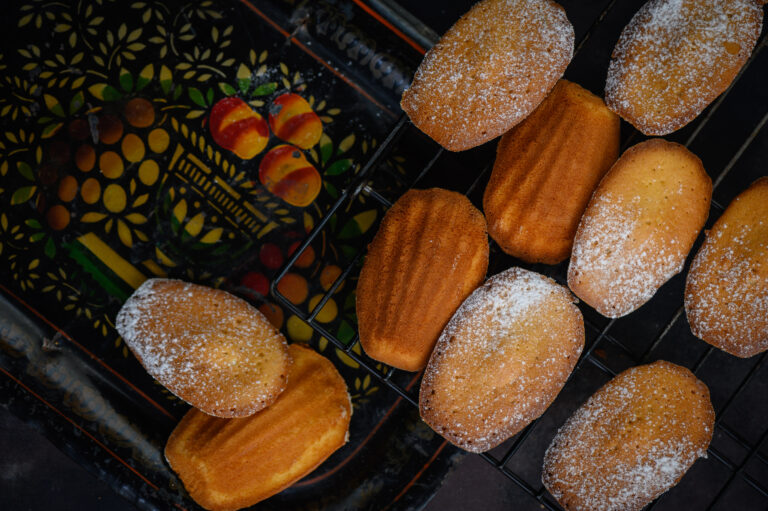
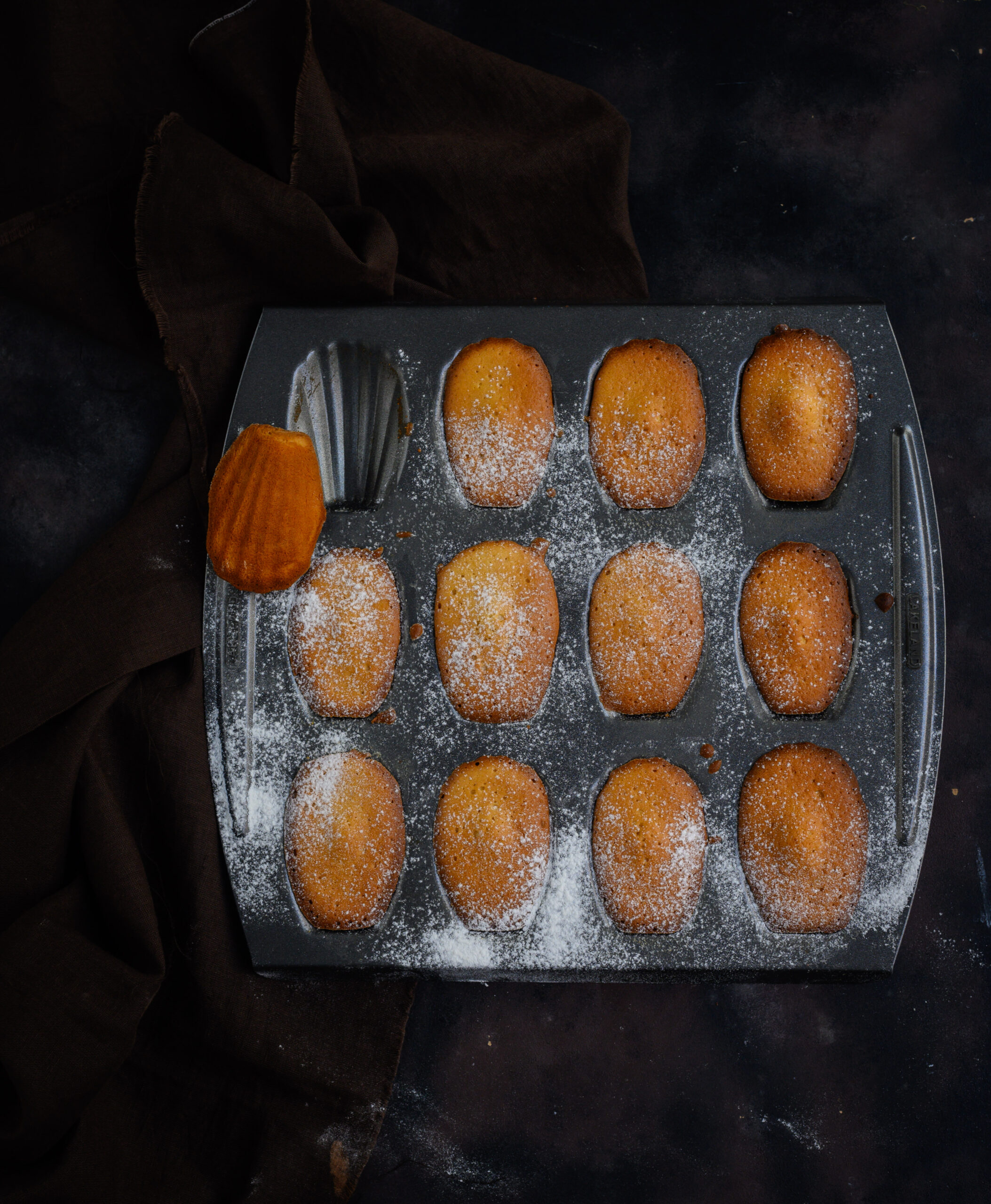
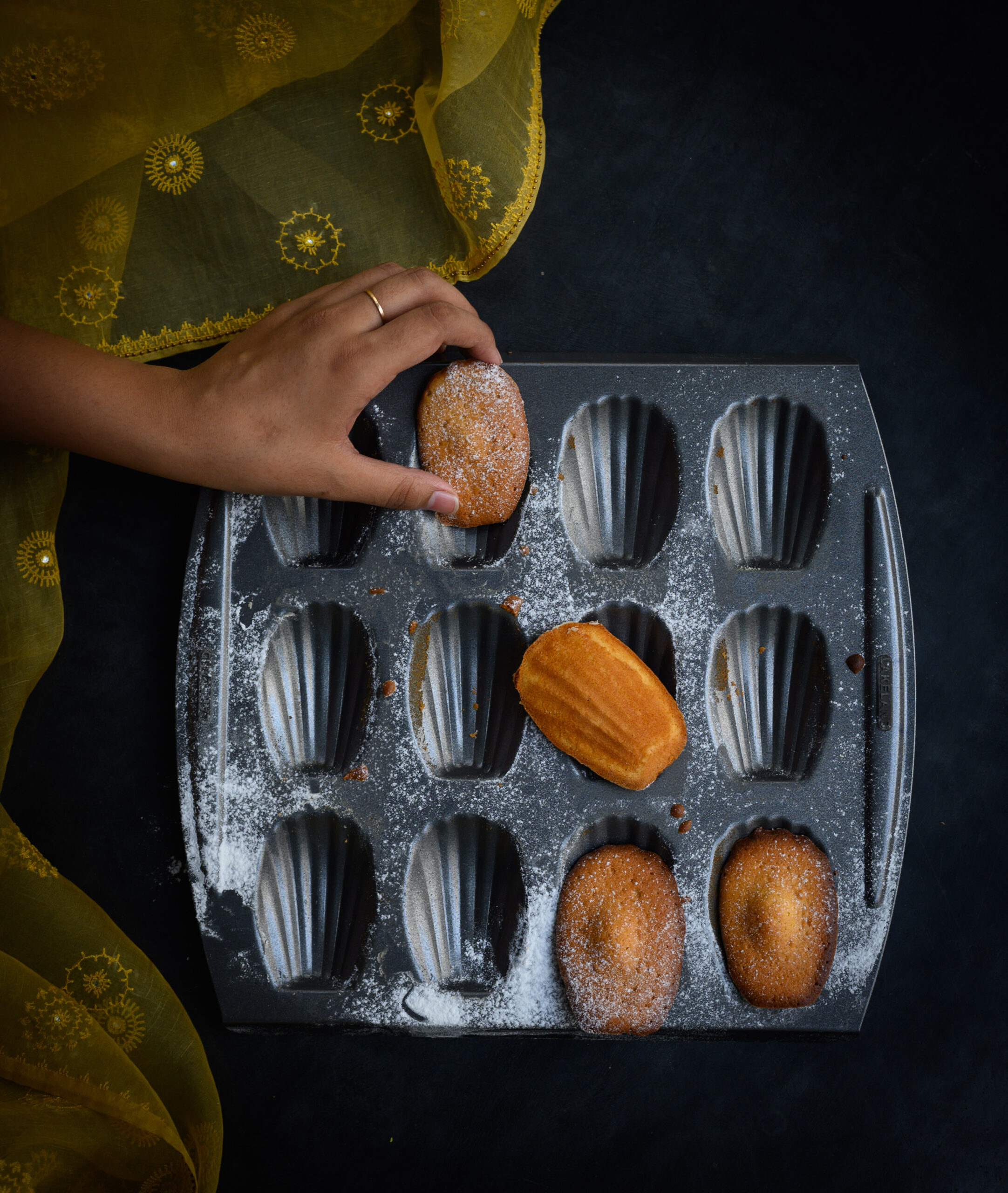
Madeleines are a kind of basic sponge cake which are made in a shell-like shape (you can find trays for this in most baking stores). They are widely regarded as being of French origin, and an English version with jam, desiccated coconut and cherries is also popular. But to me, it’s the Spanish madeleine that captured my heart. You see, some time before being introduced to the sweet treat in Boston, we had gone to Spain, where I first heard of the little sponge cake. It was the loveliness of the trip itself which gave its local version a sentimental value for me, even though it wasn’t until later that I got a chance to eat it.

It was an experience of a lifetime to be in Santiago de Compostela, in Spain’s Galician region, on the holy day of Palm Sunday. We had been delayed and had missed our connecting flight, so we were surprised to find we had made it in time for the services. And even better, we had somehow wound up in the front row. Here, we had a wonderful view of a special ritual that only takes place on special occasions. Enormous incense holders known as botafumeiro are swung across the expanse of the church and back, filling the environment with scent, smoke and a feeling of divine grace.  The effect of the smoke in that beautiful cathedral, amidst the chants and prayers, was surreal.

Heading back to the exquisite Hostal dos Reis Católicos, which dates back to 1486 and is thought to be the most beautiful hotel in Europe, I gathered these new memories together. Somewhere on this trip was where I learned how the humble madeleine is related to the grandeur of a Spanish cathedral, and that’s how I think of it, no matter where I eat it. You see, Santiago de Compostela is the culminating point of the Camino de Santiago pilgrimage route. In the Spanish origin story of the recipe I am sharing today, a medieval chef named Madeleine used to make these little shell-shaped delights to feed the pilgrims there. The treats took on her name.

Short or long, pilgrimages are all metaphors for our own life as we pursue our dreams and life’s mission. To me, my own pilgrimage is a journey of delighting people through food which appeals to every sense. From the tastebuds to the memory centres, and everything in between. These sweet madeleines are a perfect example – and yes, they are made with joy!

Madeleines

(Yield: 12 madeleines)

90 grams flour

¾ teaspoon baking powder

100 grams unsalted butter

65 grams sugar

2 eggs

1 teaspoon vanilla extract

½ teaspoon lavender seeds

2 teaspoons maple syrup

2 teaspoons milk

Powdered sugar for dusting

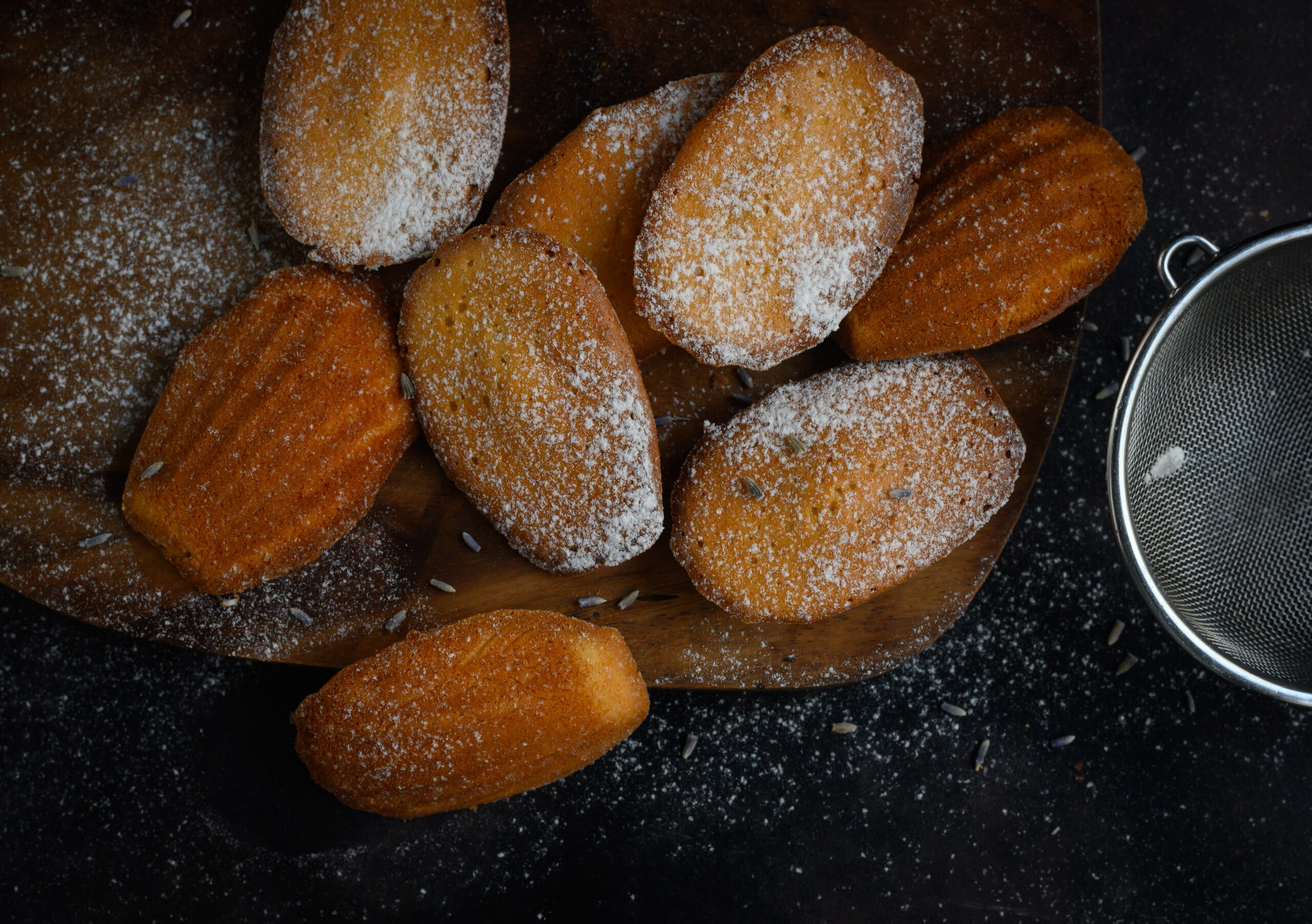
The basic madeleine recipe is simple and elegant and I have done little to change it but sweeten it further using maple syrup. I also added a little re:store flourish in the form of one of my favourite ingredients – lavender, the subtle hint of which always lightens up my mood.

Prepare a madeleine pan by buttering and dusting it.

Whisk all the dry ingredients together. Carefully melt the butter in a pan, on a medium flame, until it turns brown.

Place the sugar in a bowl and mix it. Add the eggs one at a time and beat well.

Now, add the vanilla extract, the lavender seeds and the maple syrup. Whisk well until the mixture is perfectly blended.

Now, add the remaining dry ingredients. Once all the ingredients are well incorporated, add the butter in slowly, using just a small quantity at a time. Then, stir in the milk.

Now that you have made the batter, divide it into the moulds of the madeleine tray and allow it to cool in the refrigerator for 15 minutes. In the meantime, preheat the oven at 160 °C.

Remove the tray from the refrigerator and place it directly into the oven. Depending on what kind of oven you use, bake for 10-15 minutes.

Once the baking is done, remove the tray from the oven. Upturn it and watch as the beautiful madeleines fall out. Dust them with powdered sugar and store in a dry container. That is, if you don’t serve them immediately. Chances are, you won’t be able to resist.

These delicious madeleines are a perfect tea-time snack, so brew yourself a pot of your favourite as you enjoy the scent of baking still lingering in your kitchen.

I love ruminating over tea, as I sit with Max and enjoy a little me-time. It was on one such day that I dreamt up this post as well. And I especially like having a little sweet treat to go with my beverage. How about you? Please be sure to let me know what tasting these madeleines inspires in you!