Tag

recipe

Browsing

What’s the go-to dish in your home when you don’t want to think about what to make? For me it is the chilla, and it was also my mother’s staple dish. Once I began to cook, I saw that it was not a lack of inspiration but ease that makes certain dishes a part of cooking-on-default mode. Whether the dish in question is idli, upma, macaroni – or in my case, chilla – it’s something you’re so good at that you don’t even have to spend a moment mulling it.

Chilla was what we had for dinner whenever my mother was busy or tired, or if we were in a post-festive feasting slump. Chilla is a kind of crepe, made with powdered pulses and flavoured with vegetables and spices. Like all staples, each cook will have her own variations – and her family will definitely grow up on the same. My mother made two: a moong dal chilla and a sweetened variant. The deal was that only if I ate the savoury one would I be given the sweet one – which itself was quite healthy, considering it was made of jaggery and whole wheat.

Instead of moong dal, which is most often used, I prefer to make savoury chillas using chickpea flour, also known as besan. I love chickpeas because they are so versatile and so easily accessible – they’re found everywhere from Mexico to Lebanon (hummus!) to right here in India, and have been cultivated by humans for at least 7,500 years. The many names this humble and popular legume has attests to this fact: Bengal gram, garbanzo bean, channa and Egyptian pea are but some. Did you know that in the 1700s, a German writer brewed them to drink instead of coffee, and Germany cultivated them for the same purpose during World War 1?

Chickpeas are widely loved as a healthy ingredient, for they are rich in protein, which is one reason why they are so popular with vegans.

In Indian cuisine, chickpeas are eaten whole in dishes such as sundal, a fun salad that is popular on Chennai’s beaches, and in dough form to make the pastry for fried goodies like fritters, among other variations. The ingredient works perfectly in both sweet and savoury items, and is also a thickening agent like cornflour or agar-agar.

I now have great respect for the humble chickpea, but it must be said: growing up, I’d argue with my mother about having to eat it. My reasoning was that: since I used powdered chickpea to wash my face (it exfoliates the skin gently and is an ancient beauty treatment), I should not also have to consume it!

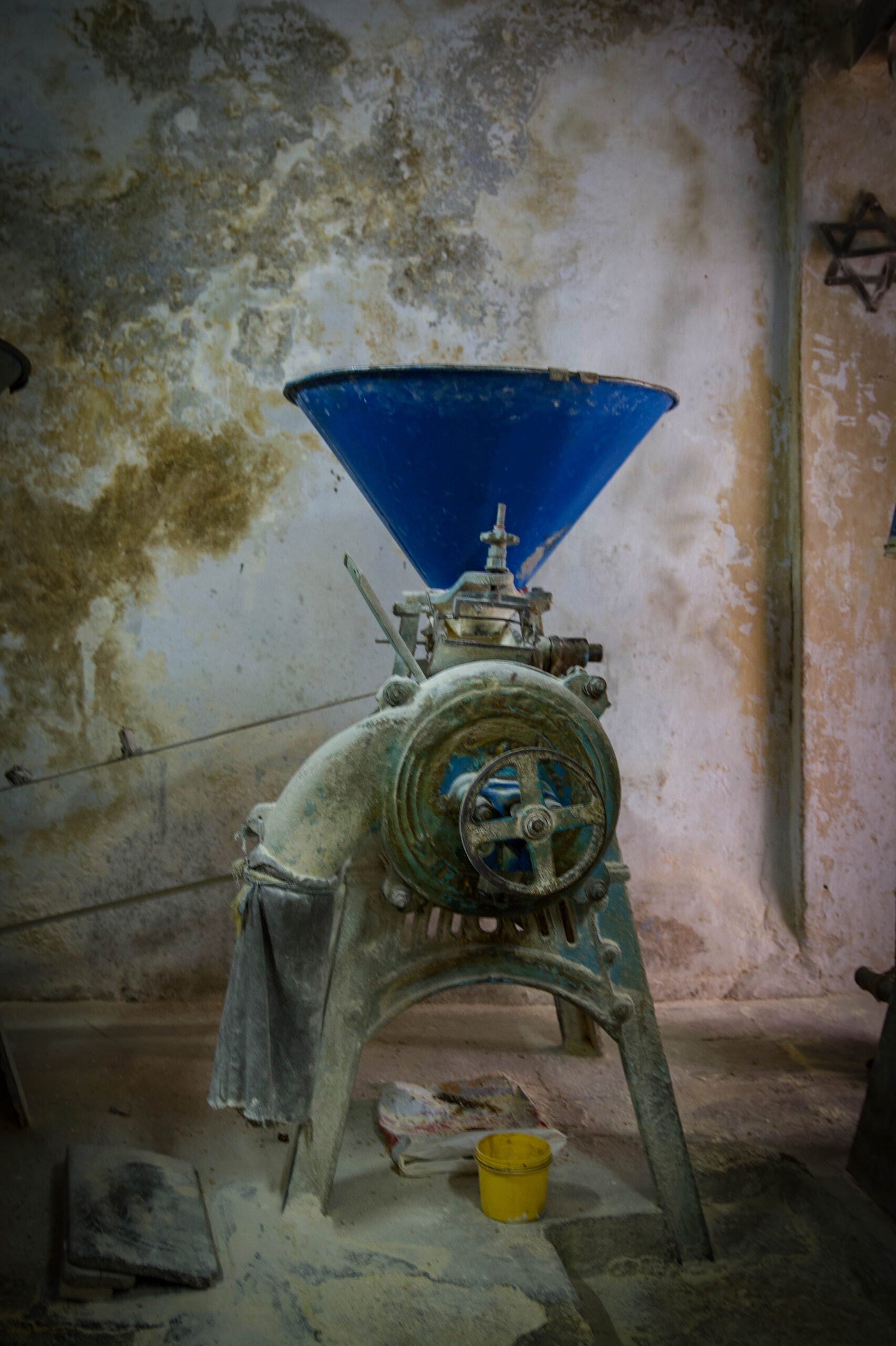
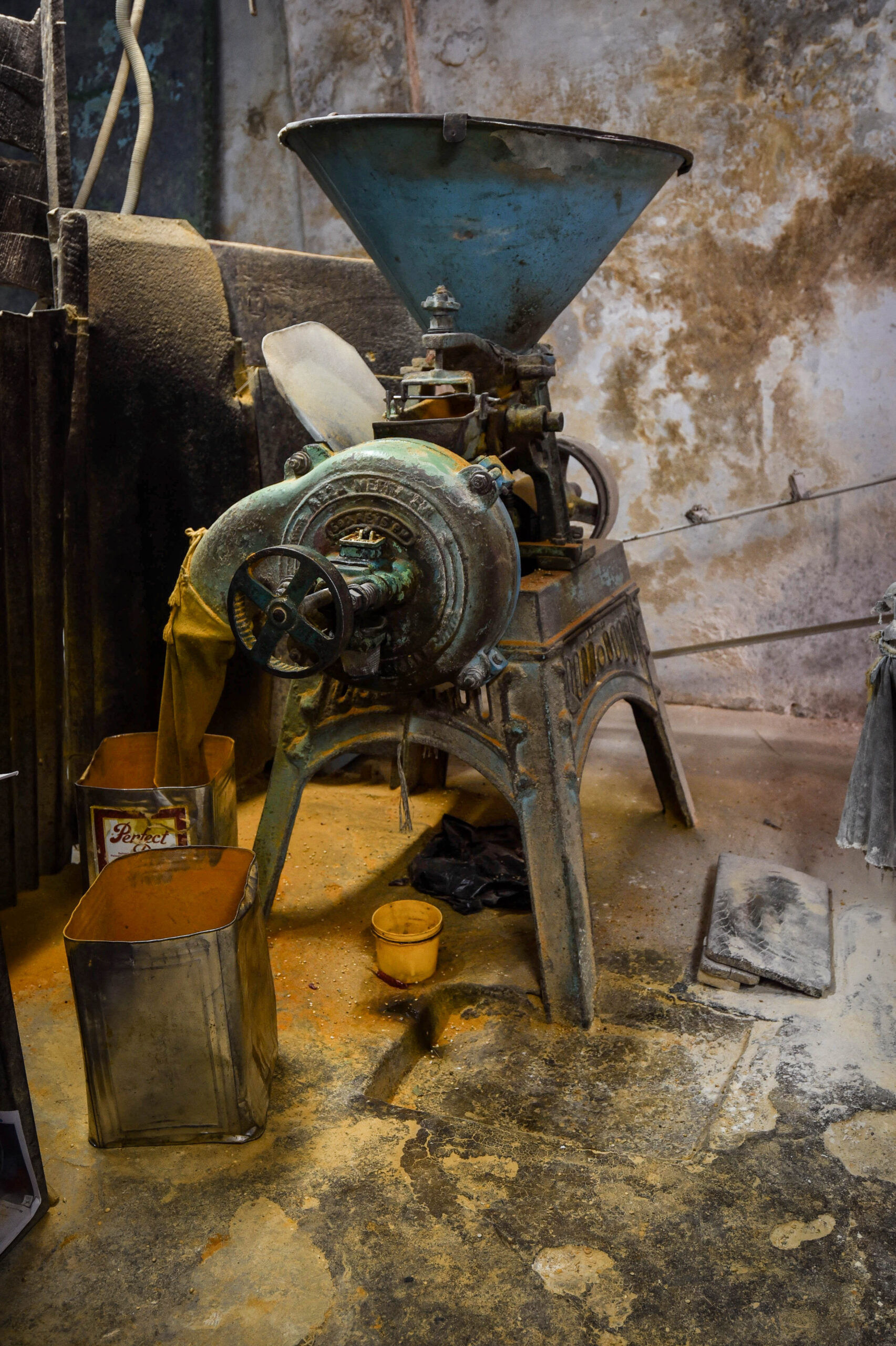
Of course, I love to have my ingredients be made or processed at home as much as possible, and by “home” in this case I mean Arumugam Chettiar’s quaint flour mill. Established in 1939, the mill uses a 10hp machine, with two grinding plates, that was imported from England by his grandfather. These machines are no longer available, and what you get now are pulverisers. But there’s nothing like old-fashioned, time-honoured methods when it comes to food. Along with chilli, ginger and other dry powders, I buy channa dal and have it ground to make chickpea powder.
 

I’m going to share both the recipes for savoury and sweet chilla with you, so that you can strike a version of my deal with my mother – whether that’s with your own kids, or just your diet plan!


Chilla – Savoury

(Yield – 4-5 crepes)

Ingredients
1 cup chickpea flour

2 cups water

½ teaspoon cumin powder

½ teaspoon grated ginger and garlic paste

½ cup finely chopped fenugreek (methi) leaves

½ teaspoon salt

Blend the water with the chickpea flour until there are no lumps. Add the salt, turmeric, cumin powder, grated ginger and garlic paste and fenugreek leaves, and mix the batter well. The consistency should be a little thicker than crepe batter.

Fenugreek in batter may remind you of theplas, one of the many types of Indian breads. A note about the ingredient: most people soak fenugreek leaves in water with salt, to remove the bitterness. This is something I don’t like to do because I don’t see why the flavour should be removed. With regards to these chillas especially, the taste of the savoury one is offset by the sweet one beautifully.

You may replace the fenugreek with another spinach available to you, or even with finely chopped vegetables like onions, grated carrots, bell peppers or coriander leaves.

Heat an iron griddle or a non-stick skillet and pour a few drops of oil on it. I make both my savoury and sweet chillas on an iron pan. Mine is a seasoned one, hence it does not stick. But if you do not have one, use a non-stick vessel.

Wait till the skillet is hot, then turn the flame down. This is a delicate moment, because if the batter falls on a too-hot pan, it will spread unevenly. My trick for this is that when the skillet is very heated, I sprinkle a little water on it and allow it to sizzle. This cools it down just enough so that I can pour the batter.

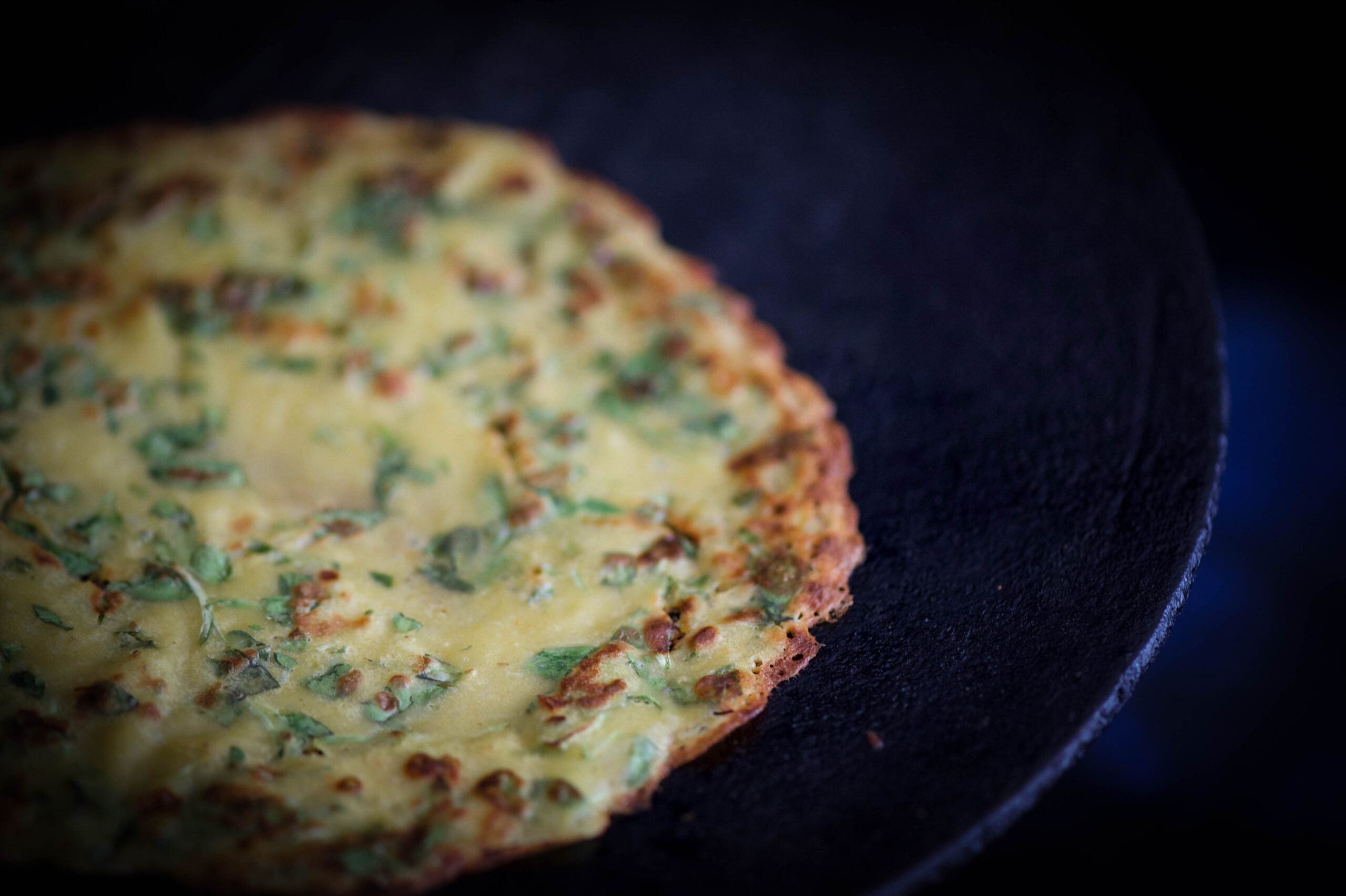
Spoon the batter onto the skillet. Spread it in a circular motion, much like you would a regular crepe. The video below gives you a look at the technique, if you’re unfamiliar with it. For those who make dosas, you will already be experts at this.

As the chilla fries, drizzle a few drops of oil around (not on) it, so that it can be removed easily. Increase the flame. You will know when it’s ready to be flipped when the edges begin to rise and turn golden. Do not attempt to flip the chilla earlier, as it will tear.

Using a spatula, flip the chilla and allow its other side to cook as well. Both sides should be a lovely golden colour before you take it off the skillet.

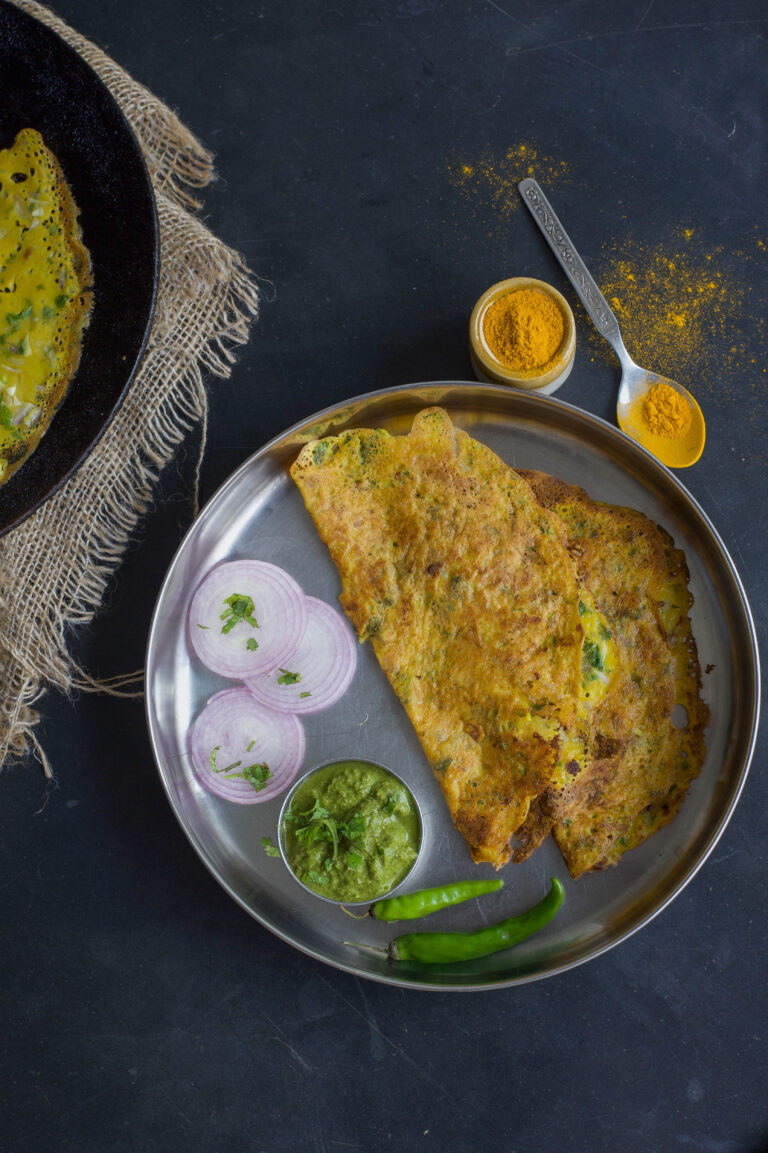
Then make the next one, and so on, until you have enough. Fold each chilla in half and serve with green chutney or date chutney, both of which I’ve shared recipes for earlier on this blog. I also top these savoury chillas with finely chopped vegetables, with gives the health factor an extra boost, and makes them even more filling. Just a couple will give you a light but complete meal – provided you’re able to stop eating them, that is!


Chilla – Sweet

(Yield – 5 small crepes)

Ingredients
1 cup whole wheat flour
½ cup jaggery
1 ½ cup water
1 teaspoon ghee per crepe (oil for a vegan option)

Warm the water a little and allow the jaggery to melt into it. Stir well until all the lumps are removed.

Wait till the jaggery-infused water has cooled, then strain it so the sediments are removed.

To this, add the whole wheat flour and blend it so it’s a little thicker than regular crepe batter. You may have to adjust the quantity of water added to make it just the right consistency.

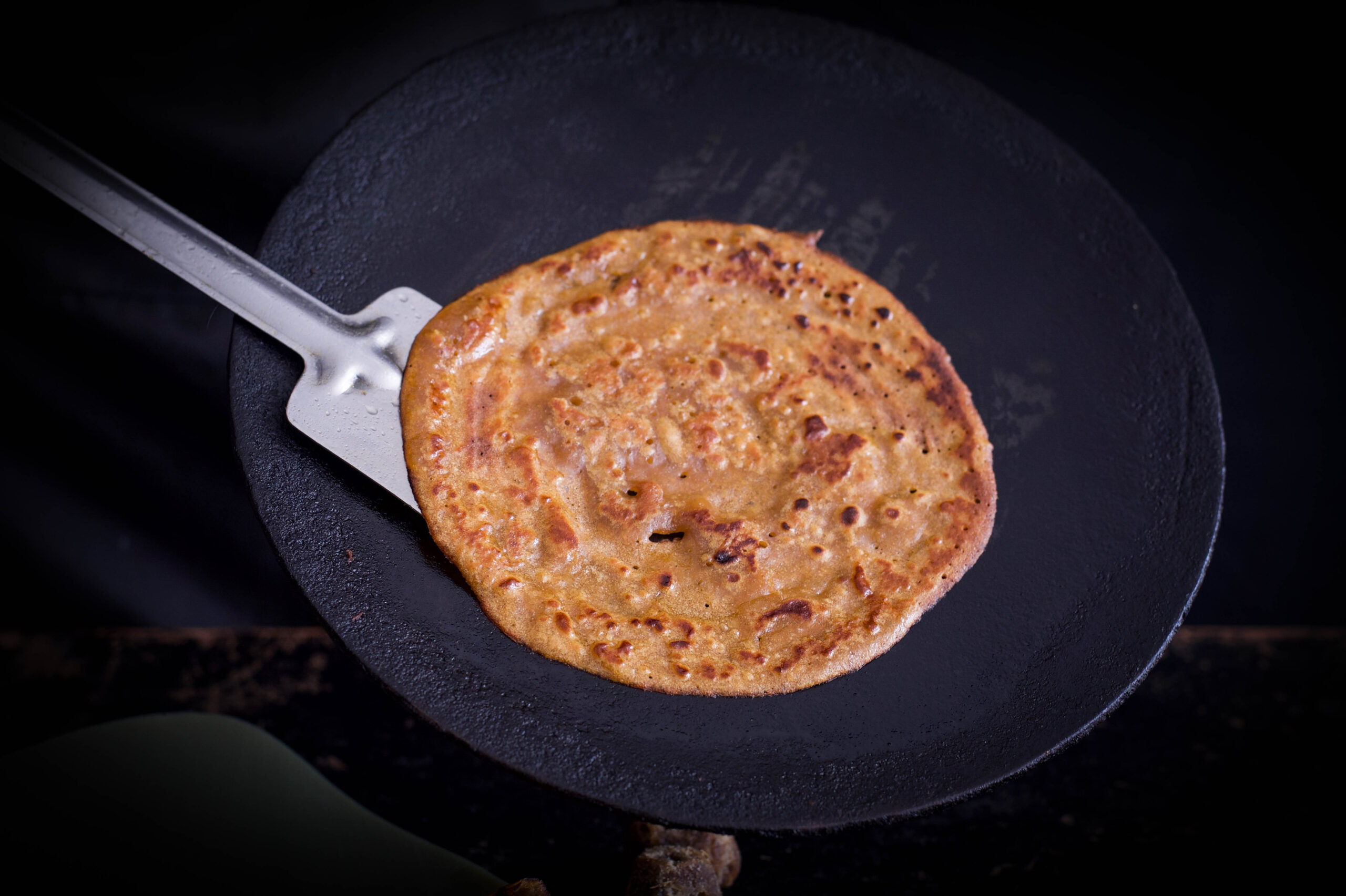
Now, pour a drop of ghee or oil on a non-stick skillet. When it is hot, lower the flame. Start spooning out about half the batter onto the skillet, in small and well-spaced quantities. These sweet chillas are ideally dessert, so they are smaller than the savoury chillas.

Using a circular motion with the spoon, make small crepes on the skillet (as shown in the video above). Keep the flame on medium, so as to ensure that the chillas don’t burn. When one side has begun to turn golden, flip it over. Both sides will be thoroughly cooked in about 2-3 minutes.

The process of frying the sweet chilla is almost identical to making the savoury one, so do refer to the above recipe for more extensive notes and tips. They do not need to be served with an accompaniment.
These delicious chillas are very much comfort food to me, and I hope they find the same place in your cooking repertoire. The sweet ones are especially popular with kids, and as I said earlier – if they crave it, offer it to them as a reward for eating the savoury one!

I’ve come to understand that most Indian palates require something sweet and something savoury in order to feel satisfied. Life is all about both the sweet and the savoury isn’t it? And sometimes, like in the fenugreek-flavoured chilla, a hint of the bitter too. But that’s why the order of eating makes such sense: after everything else, one is always assured of sweetness.
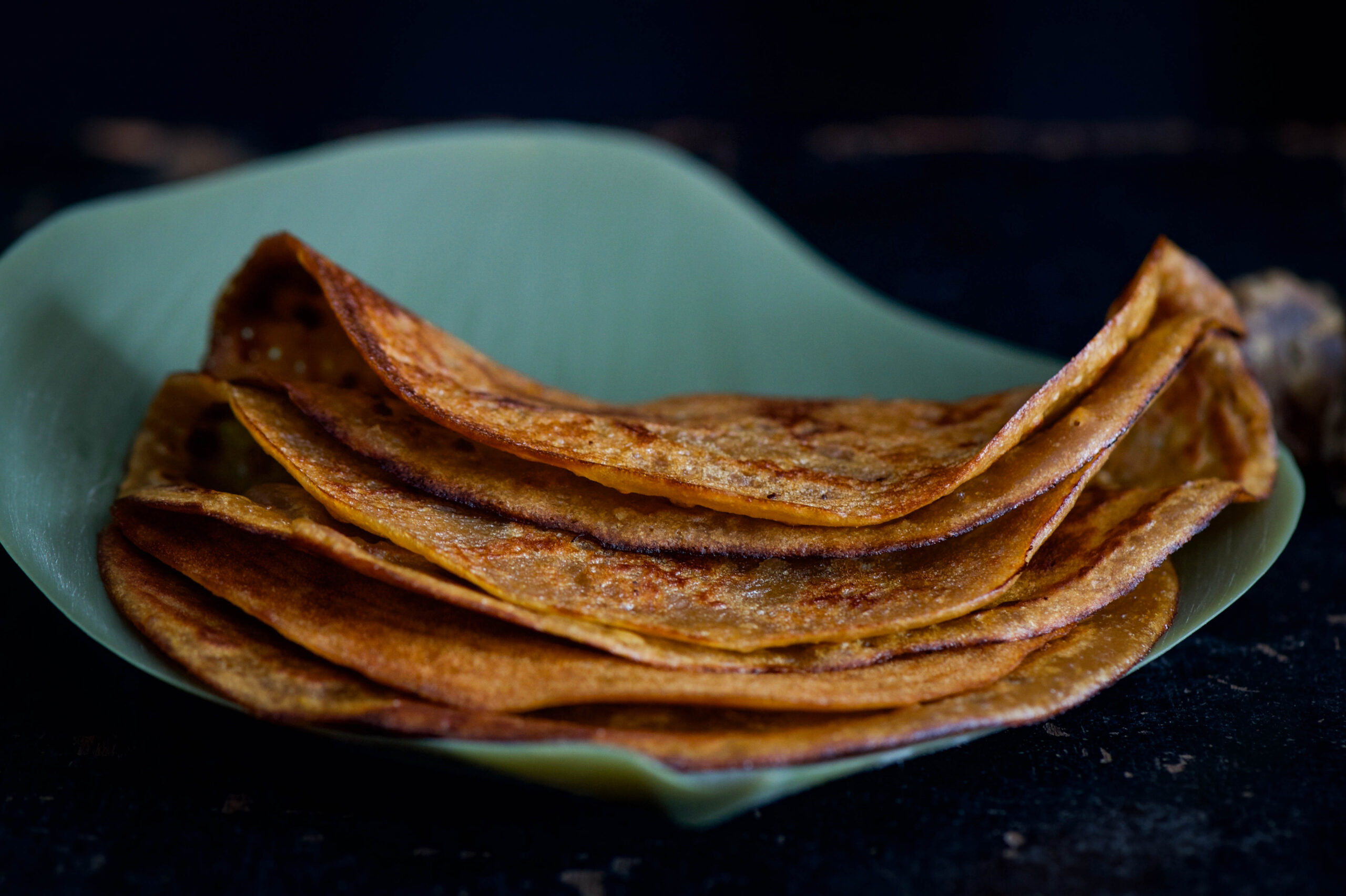
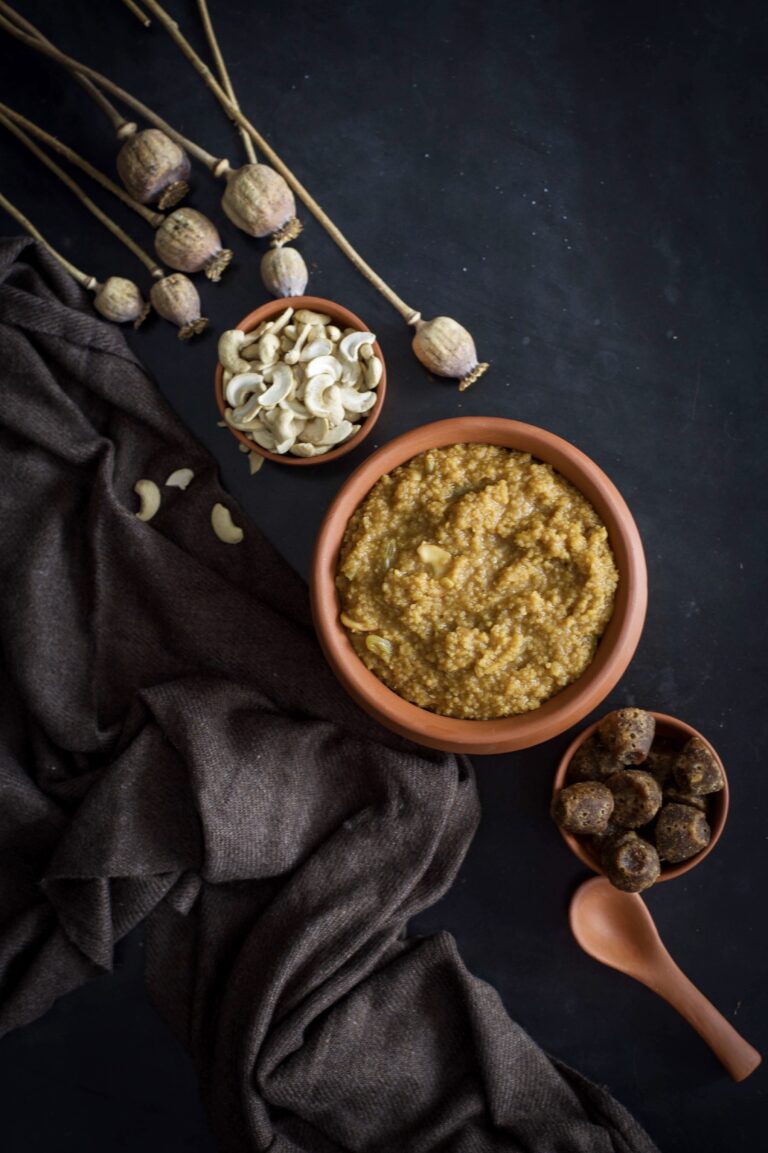
Here in Tamil Nadu, while the Tamil New Year is still months away in April, we celebrate a festival full of joy, renewal and fresh possibilities – just like how the turning of the new calendar year feels. Two weeks into every calendar year, beginning on January 14, Tamil households everywhere observe a series of rituals. Like any Indian special occasion, food and bonding play a huge part of this festival.

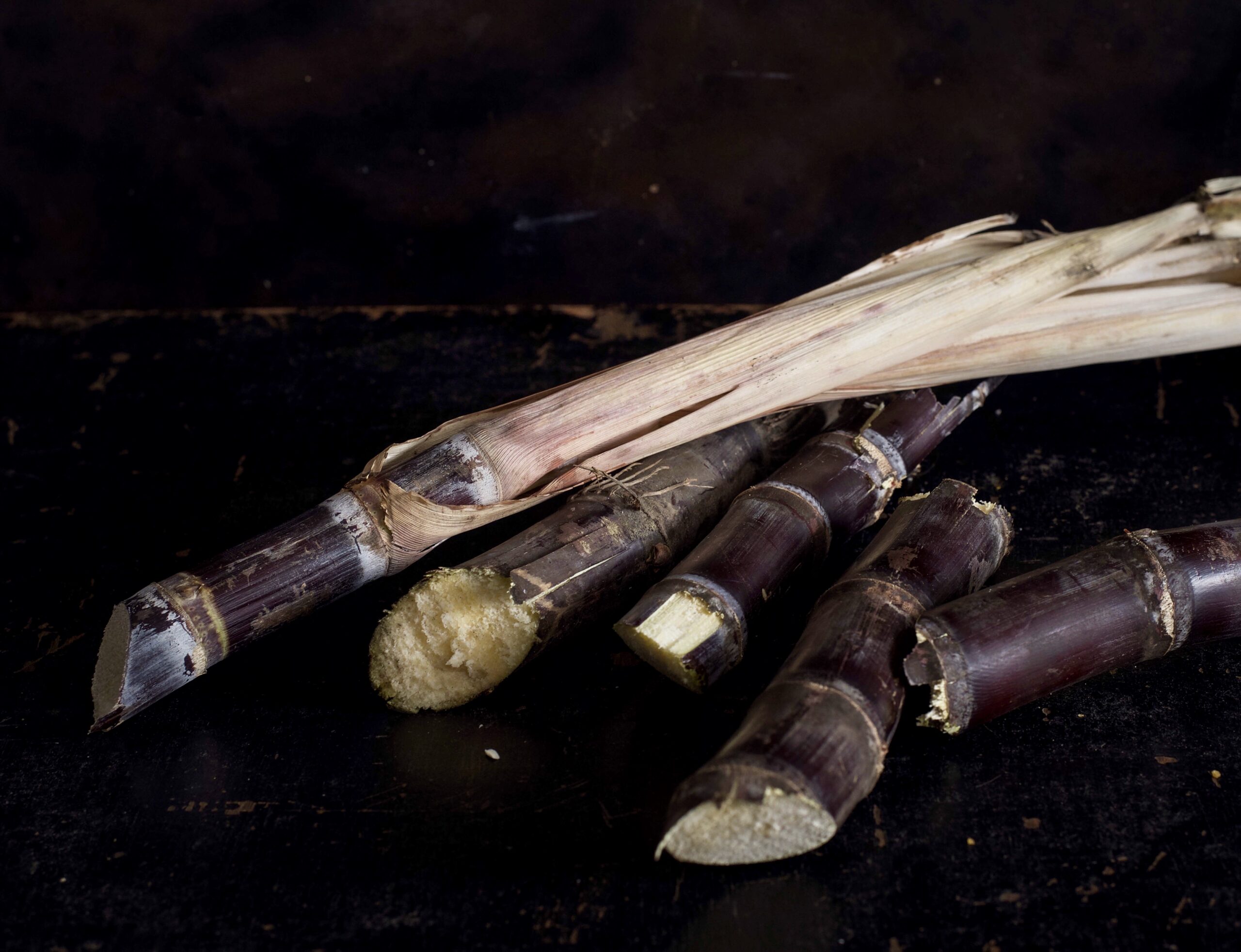
Pongal is spread over four days, which when we were growing up meant… school holidays! Despite being a Gujarati family, our neighbours and friends would observe the festival with delight, which meant we too participated. For me, Pongal always brings to mind sugarcane. As a harvest festival, sugarcane is an important part of the décor at this time – but it is also exactly the kind of thing a child loves to eat! My mother encouraged this, as she said that eating sugarcane made the teeth stronger. Those of you who remember those simpler times will know just what I mean. There’s a technique to it. You peel the cane sideways with your teeth, then scrape the sweet juice from it. I loved the fleshier parts between the joints of the cane.

As this is the season to give thanks for the harvest all over India, similar festivals include Lohri and Sankranti. If we happened to visit Ahmedabad at this time of year, the lasting image I have of the celebrations is of seeing the skies fill with kites on the occasion of Uttaran, as people on terrace rooftops would battle to bring the others’ down, in order to be the owner of the sole reigning kite of Gujarat.

“Pongal” literally means “the boiling over”, and the festival is all about the spirit of abundance. The pivotal moment of the day is when a pot of milk, into which every family member puts three handfuls of rice, boils over. The milk spilling over the brim of the vessel is taken as a sign of auspiciousness. As this happens, the family shouts, “Pongal-o-Pongal”!

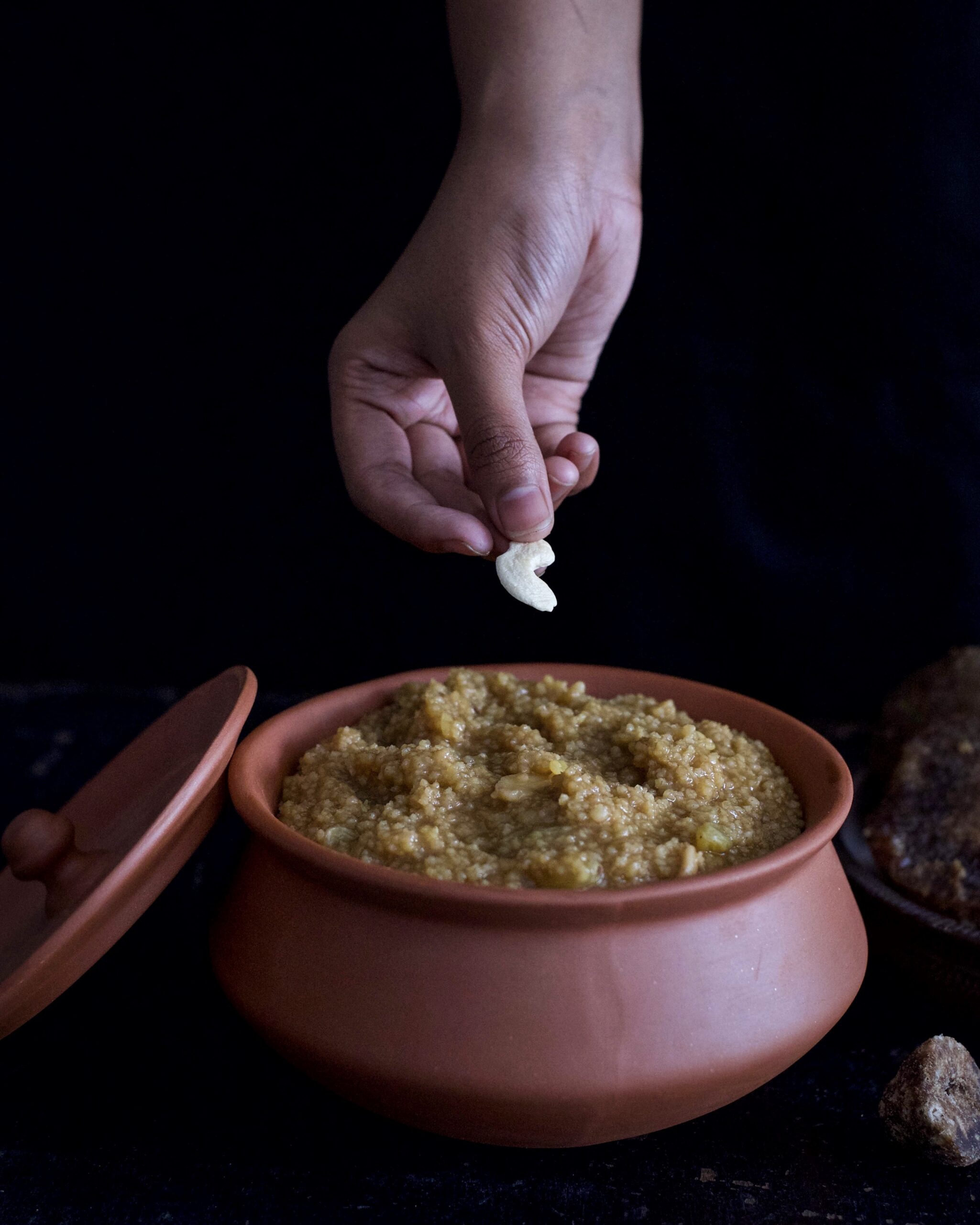
During Pongal, a dish bearing its name is also eaten. Chakkara pongal literally means “sugar pongal”, but it is jaggery that is used – and which gives the dish its rich colour. Chakkara pongal is also popular year-round as a prasadam  in temples, which is offered to the gods and then eaten by devotees. And the sweetest, tastiest chakkara pongal I’ve ever eaten has always been served on a banana leaf at a temple.

Chakkara pongal will taste different at each temple, and each home, that you eat it in. Like all traditional staples, it will contain the memories and idiosyncrasies of the hands that made it. How is tradition formed? One ancestor would have done something a particular way, and generations to follow then say, “Our family does this”. Whenever I cook something that carries cultural attachments, I wonder: if I don’t do it, will my kids?

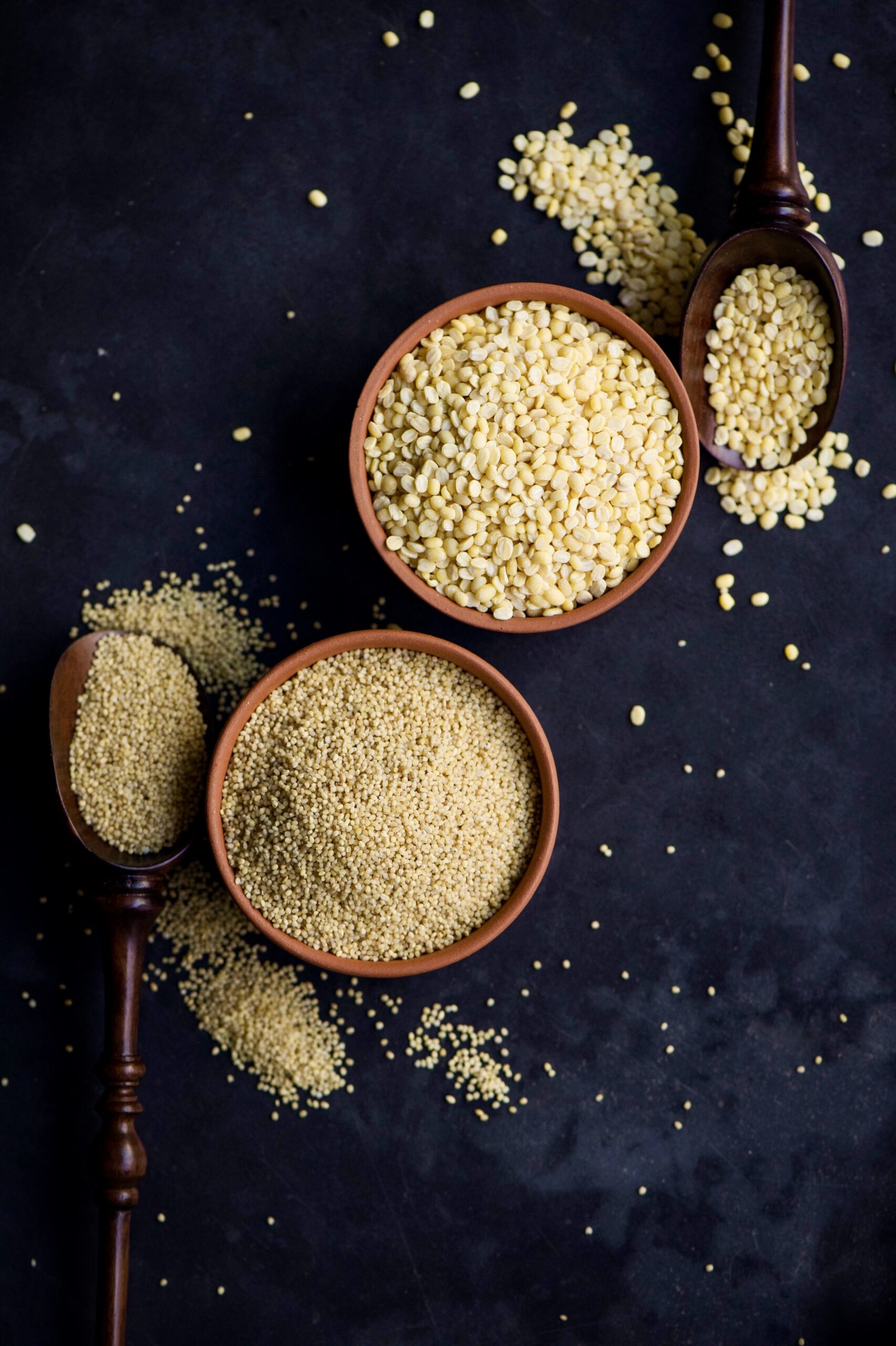
As you may know from following this blog, millets and not rice are the original (and Macrobiotic) staples of this region. This is why a millet known as varugu, which you may know as kodo, is the main ingredient in my variation of chakkara pongal. Varugu is rich in protein and polyphenol antioxidants, and is a better source of fibre than both rice and wheat. It is also gluten-free, which makes it suitable for those with dietary sensitivities. Like all millets, its list of health benefits is long. But make no mistake, as wholesome as its ingredients are, this chakkara pongal is a sweet and sublime dessert.


Chakkara Pongal

(Yield – 5-6 servings)

Ingredients
3-4 tablespoons moong dal
½ cup varugu (kodo millet)
3-4 cups water
½ cup jaggery
1 tablespoon ghee
1 tablespoon cashew nuts
1 tablespoon raisins

The secret to chakkara pongal is simply allowing it to cook properly, with the occasional stir. It is a boiled dessert that is so easy to make that you’ll be preparing it from memory in no time!

Soak the moong dal for about half an hour. Meanwhile, wash the millets well and keep aside,

Add 2 cups of water to the dal and cook until par boiled. Now, add the millets and allow both to cook completely. This will take approximately 15-20 minutes. The boiled dal and millets will become and remain soft.

In a pan, roast the cashew nuts and raisins in ghee. For a vegan variant, substitute ghee with oil. Once roasted, add the jaggery, along with a ¼ cup of water. This will help the jaggery melt, releasing its flavours quickly into the pan.

Once the jaggery has melted into the concoction, add the soft mixture of millets and dal and stir well. Add some more water to loosen the consistency as you prefer. Pongal generally is not meant to be in too liquid a state. What you’re aiming for is a congealed texture. Serve hot as soon as it’s ready.

Glistening with ghee, sprinkled with cashews, glittering with raisins, and with a rich dark colour full of the goodness of jaggery… So simple to make, so good to eat. I hope you’ll enjoy a small bowl or two of re:store style, millet-based chakkara pongal with your family this weekend. As you do, just imagine us here in Tamil Nadu, doing exactly the same. Pongal-o-Pongal!

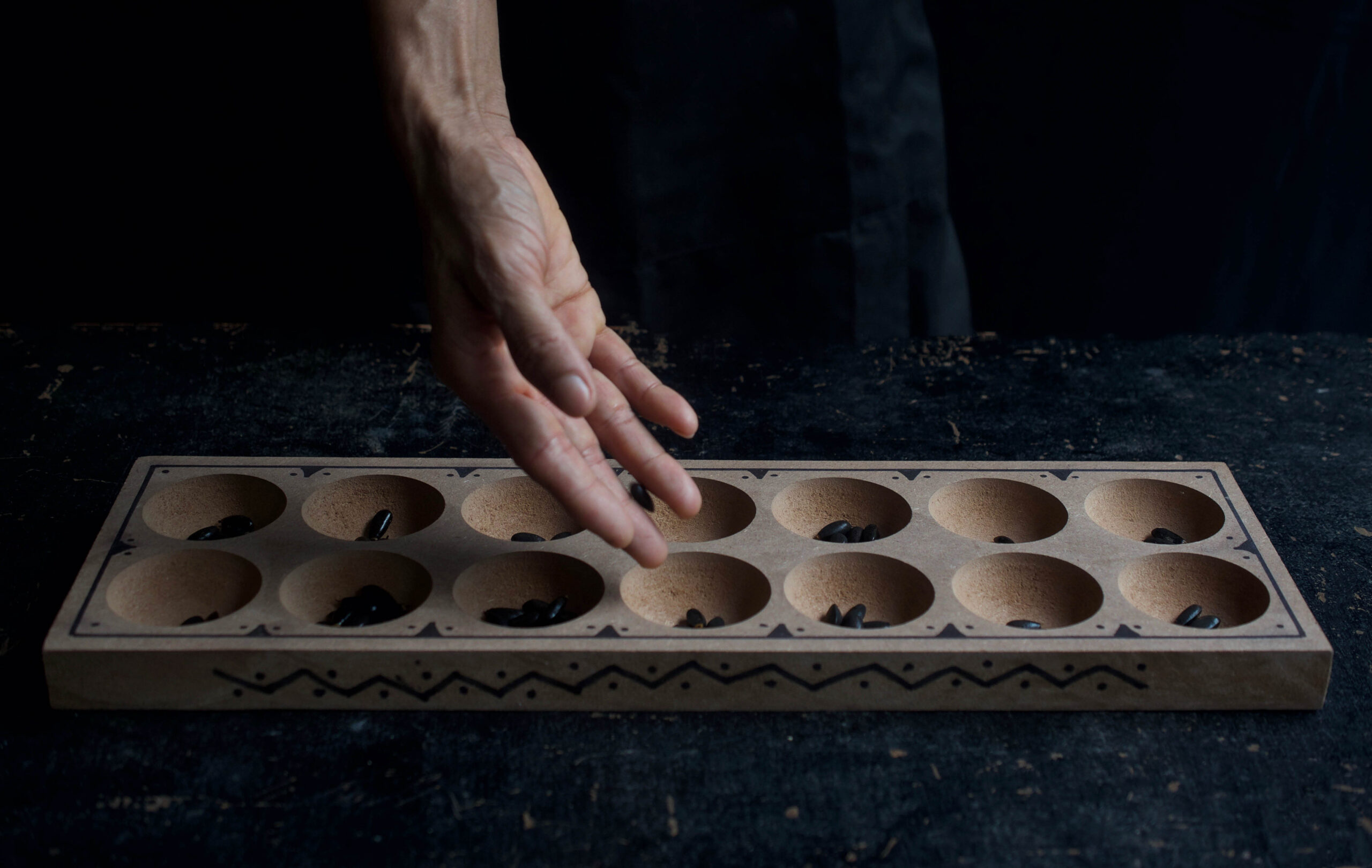
We would clamber up the sitaphal tree, pluck one right off the branches, and in our greedy delight not even check whether the fruit was ripe enough to eat before we tore it open with our hands and devoured the sweet white pulp. Then, we would spit out the shiny black seeds and collect them, for they were perfect for playing pallanguzhi, a traditional Tamil mancala game! Whenever I think of sitaphal, I think of these moments from my childhood. They were filled with joy, and I taste it again each time I taste the fruit.


Recently, I visited our organic farm a few hours’ drive from Chennai – and the sight of the abundant green harvest of the sitaphal trees brought back those childhood memories.

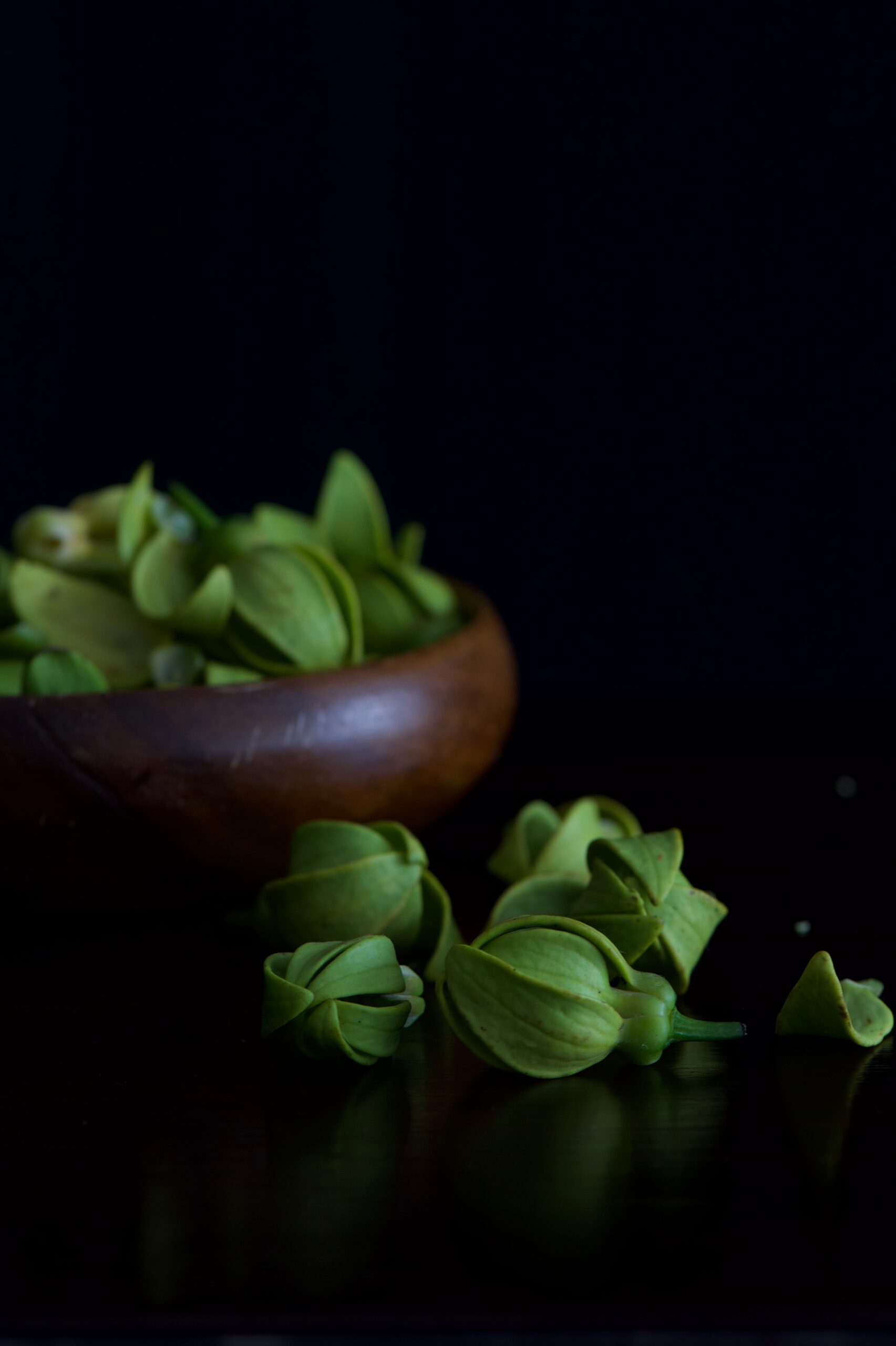
I will tell you more about our organic farm soon, where we grow paddy, varieties of gourd, numerous other vegetables, fruits – and a thoughtful selection of gorgeous native flowers that are fading from public memory. Hardly anyone wears or sells them anymore, but I take heart from the fact that there is one lady who sits by the Kapaleeshwarar Temple in Mylapore, with a colourful array of blossoms for purchase. Among them are the shenbagha and the manoranjitha. When I was a little girl, the teachers would wear beautiful manoranjitha flowers in their hair, and the classroom would be filled with their fragrance. And I would often think to myself: one day, when I am grown, I will have a house of my own with a tree that bears those flowers.

With the sweetness of all these memories in mind, and with the fruit in season in the serene landscape I dreamed of as a child, I remembered and craved a recipe that I had introduced into our family repertoire. When I got married and moved into my new home, I had enjoyed learning certain dishes from my mother-in-law that I found unusual. Among these was a fresh orange kheer. If you remember from this rose-coconut recipe, kheer is a kind of Indian pudding, with milk as the primary ingredient.

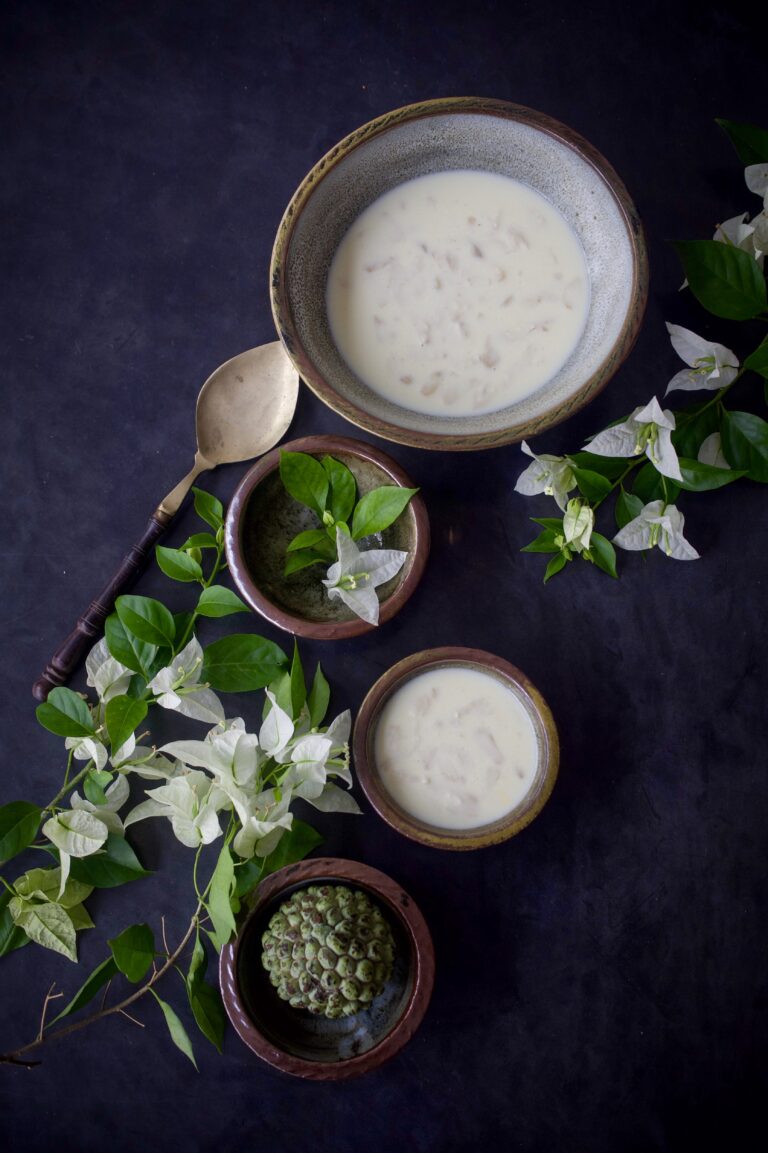
My mother-in-law’s citrusy dessert inspired my own variation. Perhaps I had wanted to bring the sitaphal I had plucked and gorged on in my childhood into my matrimonial home. And that’s how this sitaphal kheer was created. Even decades on, it remains a favourite of mine.

Sitaphal (Custard Apple) Kheer

(Yield – 8-10 cups)

Ingredients
1 ½ litres whole milk
2 large custard apples
1 ½ tablespoons corn flour or custard powder
½ cup sugar

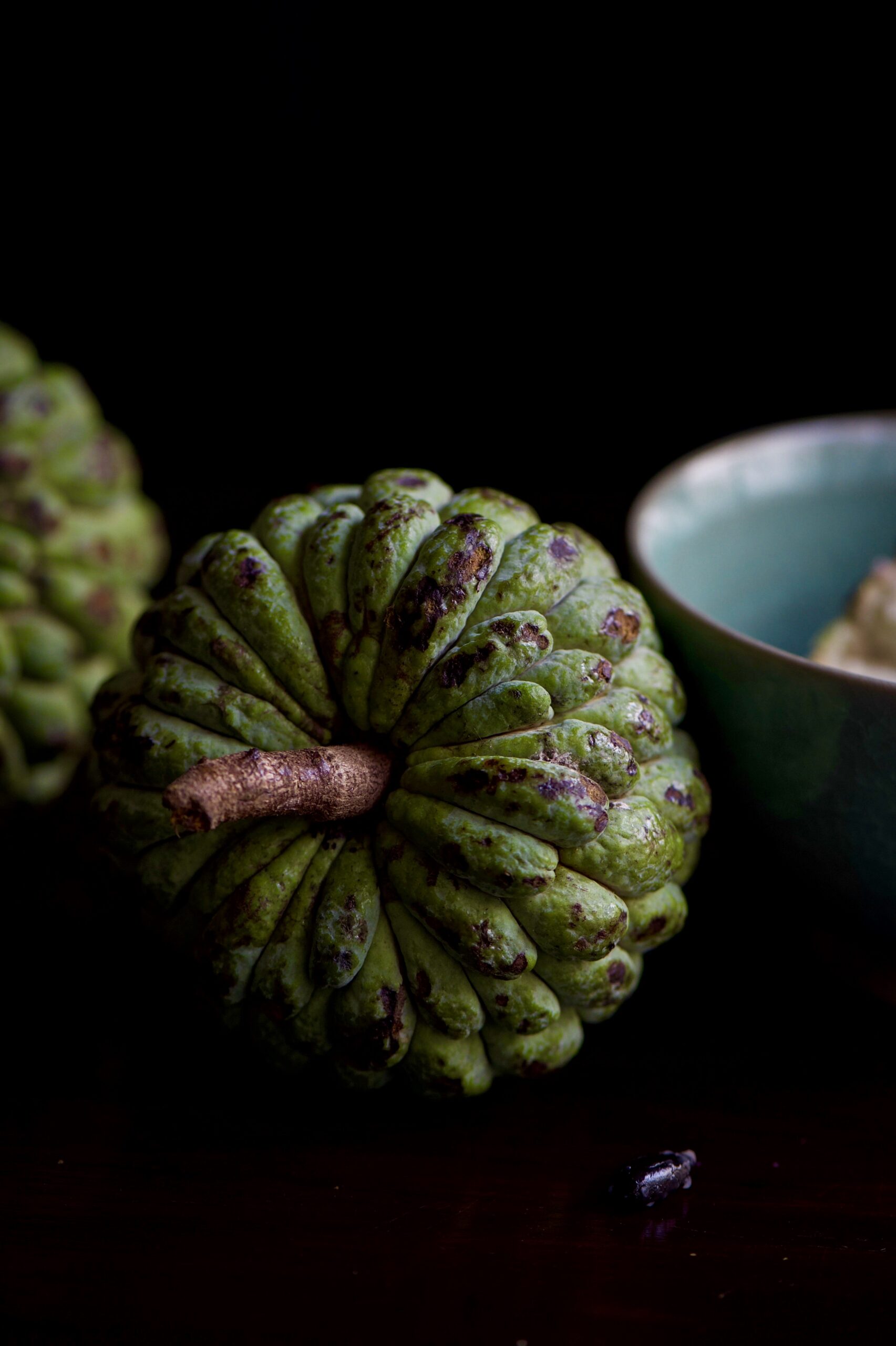
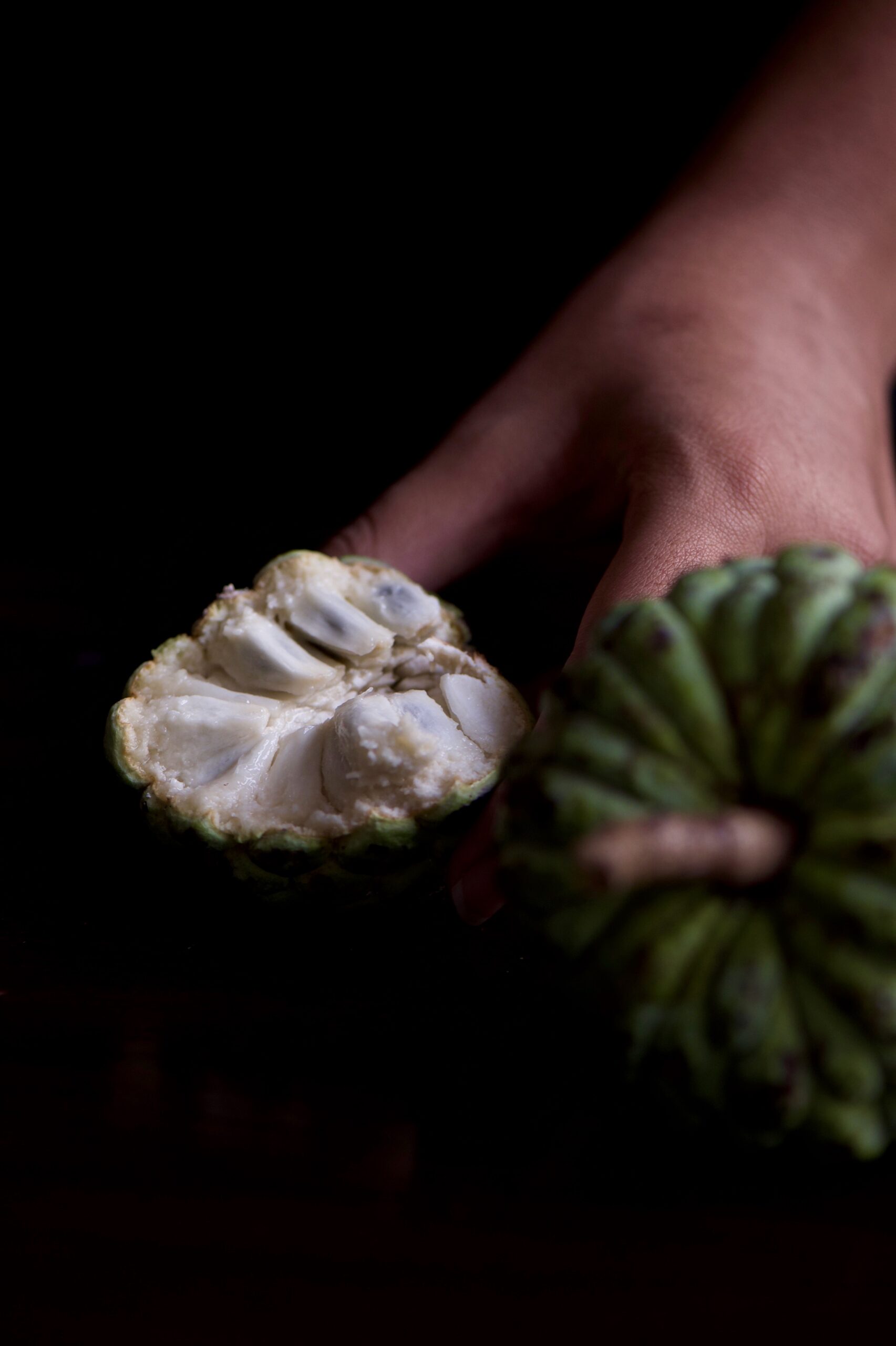
You may know the sitaphal as the custard apple. I cannot recall seeing sitaphal sold abroad, which made me think it must be an indigenous Indian fruit, but it seems it’s actually native to the West Indies and Central America. Nonetheless, it thrives on our farm, and is popular throughout India. I wonder why it is not as well-known elsewhere as the mango. If you ask me, sitaphal is under-rated, and deserves renown.

One of the English names of sitaphal is sugar apple, attesting to its sweetness. Another is sweetsop. That tells you a lot about the taste of this fruit, if you haven’t had it. While it is not at all cloying, and in fact is quite subtle given its names, it is slightly higher in calories than other fruits too. Which means that I won’t sugar-coat it (pun intended): this recipe is a treat, and a bit of an indulgence! Still, sitaphal is also rich in potassium and magnesium, which protect the heart from disease, and Vitamin A and C. Fruit of any kind can never be truly bad for us, and sitaphal is no different.

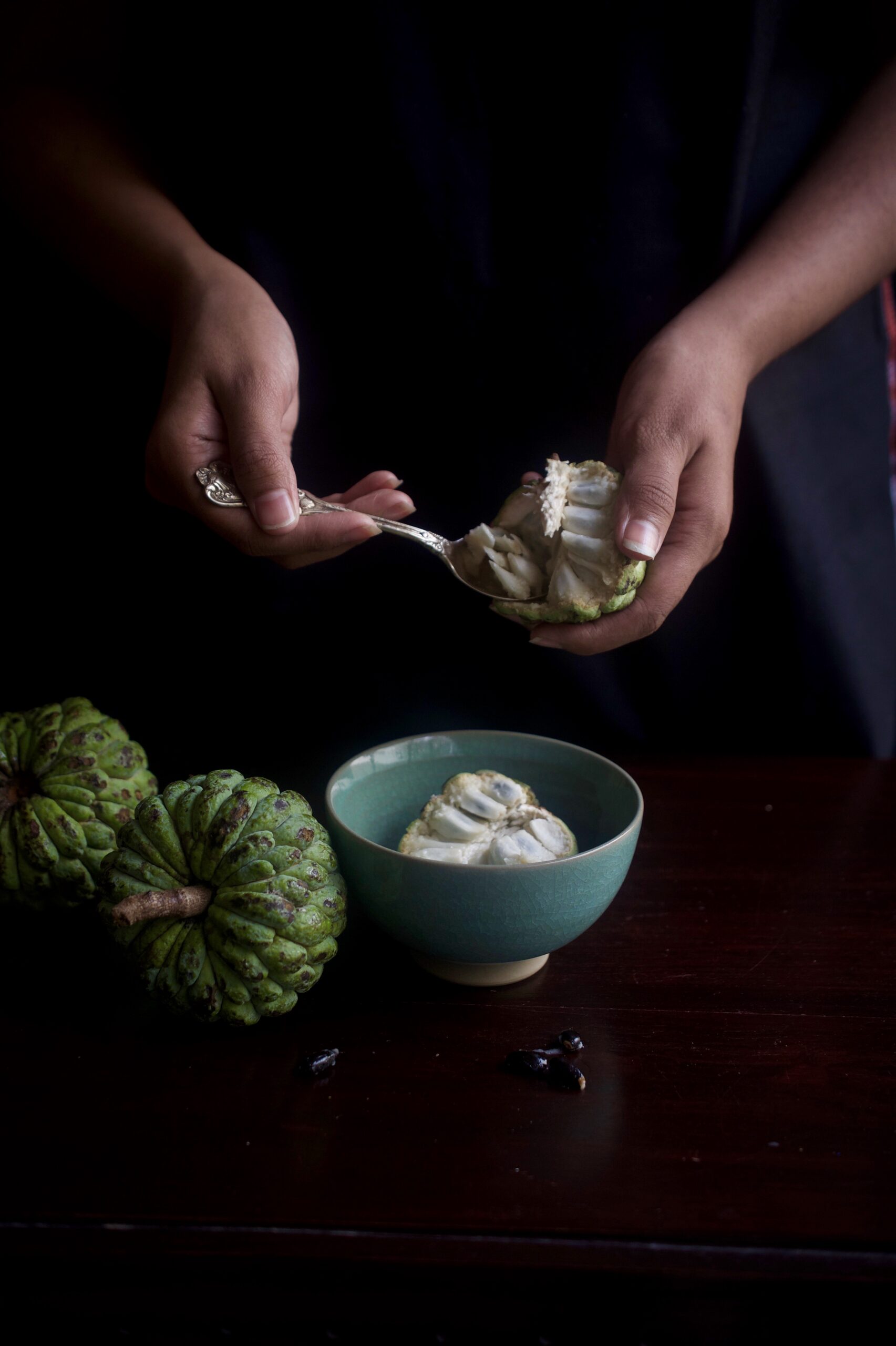
Open up the soft, patterned green skin of this beautiful fruit, and begin to remove the seeds patiently using a spoon and clean hands. Keep the pulp in the refrigerator, covered.

In the meantime, boil the milk until it reduces partially. Vegans, you may want to try either coconut or almond milk. Keep stirring it on a low flame, making certain it doesn’t stick to the bottom of the pot.

Put the corn flour or custard powder into a small cup, and add 2-3 tablespoons of milk at room temperature. Stir this mixture well, until it is smooth. Now, gently add this mixture to the milk in the pot. You have to be careful now to stir continuously, so that it doesn’t stick to the bottom, which it is very likely to.

I like my kheer not too thick, but you may like yours thicker. In which case, simply add an additional 1 teaspoon of the corn flour or custard powder. Or reduce the quantity, to thin it further. Adjust according to the consistency of your preference.

Add the sugar. The taste of the sitaphal is so gentle and distinctive that I find the addition of cardamom, nuts or saffron – classic elements of most kheer recipes – takes away from this flavour. But you can always add these if you wish.

Once the milk thickens to the consistency you prefer (this will take approximately 15-20 minutes), turn off the flame and cover the pot with a lid. Allow this to cool, then refrigerate for a few hours.

Add the seeded sitaphal pulp into the refrigerated mixture and blend well. Serve this chilled dessert in small bowls.

Just as I substituted my mother-in-law’s fresh oranges for sitaphal, the lovely thing about this recipe is that you can use any fruit of your choice, based on your own tastes and seasonal availability. It is a luscious dessert, and it’s equally perfect for summers (when it has a cooling effect) and for the year-end festivities (when it’s also in season). I’d love to know what you think of it – and what variations you’ll spin up in your kitchen.


When it comes to Indian street food, the first and last word is always “chaat”. Yes, the vendors of sundal and cotton candy on my beloved Marina Beach will put up a fight, but when it comes to tastes savoured throughout India, chaat wins hands down. Chaat is a catch-all term, and extends from fried breads like pav bhajji to pastries called puris, filled with everything from potato to spiced water. Among the popular ones is bhel, also known as bhel puri.

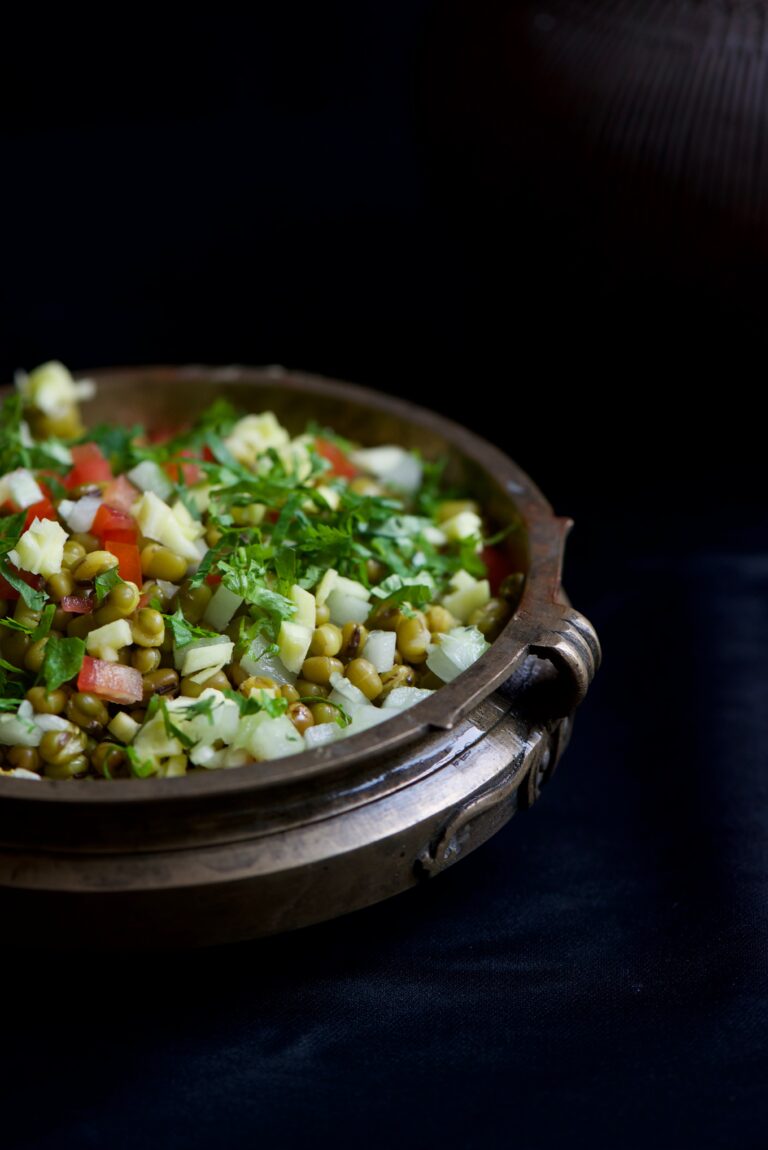
Bhel is usually made with puffed rice as the main ingredient. As I’m always trying to make all the food we enjoy healthier, without compromising on taste, I substituted the puffed rice for the humble and very nutritious mung bean, also known as green gram or moong.


Moong is a versatile legume, used extensively in Asian cuisines. It can be eaten sweetened as a filling in pastries like mooncakes, stir-fried with vegetables, soaked and softened into a dal, ground into paste for crepes like dosa, and even made into noodles once starched. Moong beans are high in protein, low in carbs as compared to other legumes and pulses, and rich in antioxidants, phytonutrients and fibre. Unlike various other kinds of beans, they are also easy to digest, meaning you won’t feel bloated after eating them.

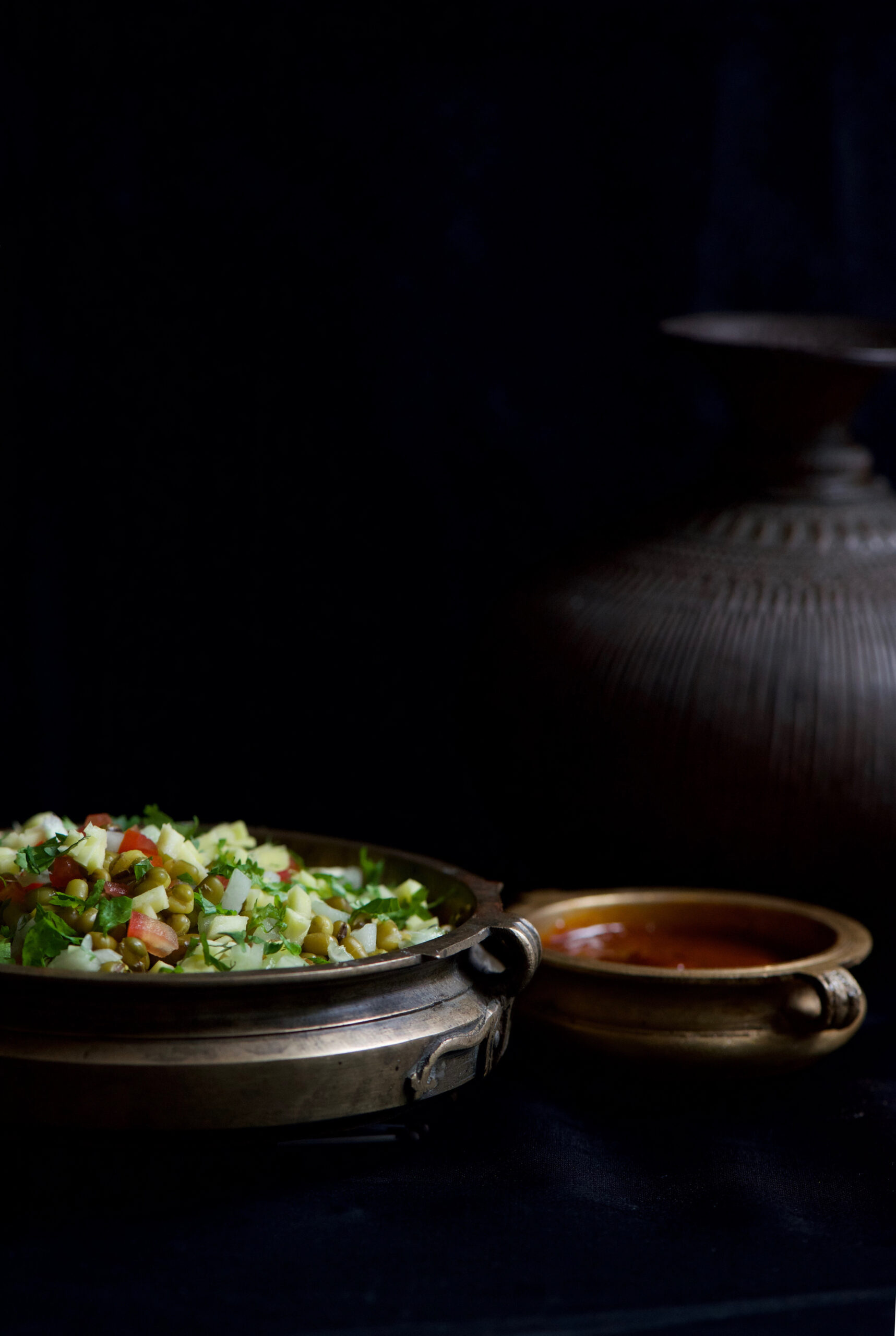
This Green Moong Bhel brings the tanginess of authentic streetside chaat, thanks to a blend of two chutneys, to the wholesomeness of mung beans. Like all chaat, it’s an anytime dish – and like all chaat, once you’ve enjoyed it, you’ll always have a craving for it.


Green Moong Bhel

Ingredients
Bhel (Yield – 4-5 small cups)

½ cup moong beans
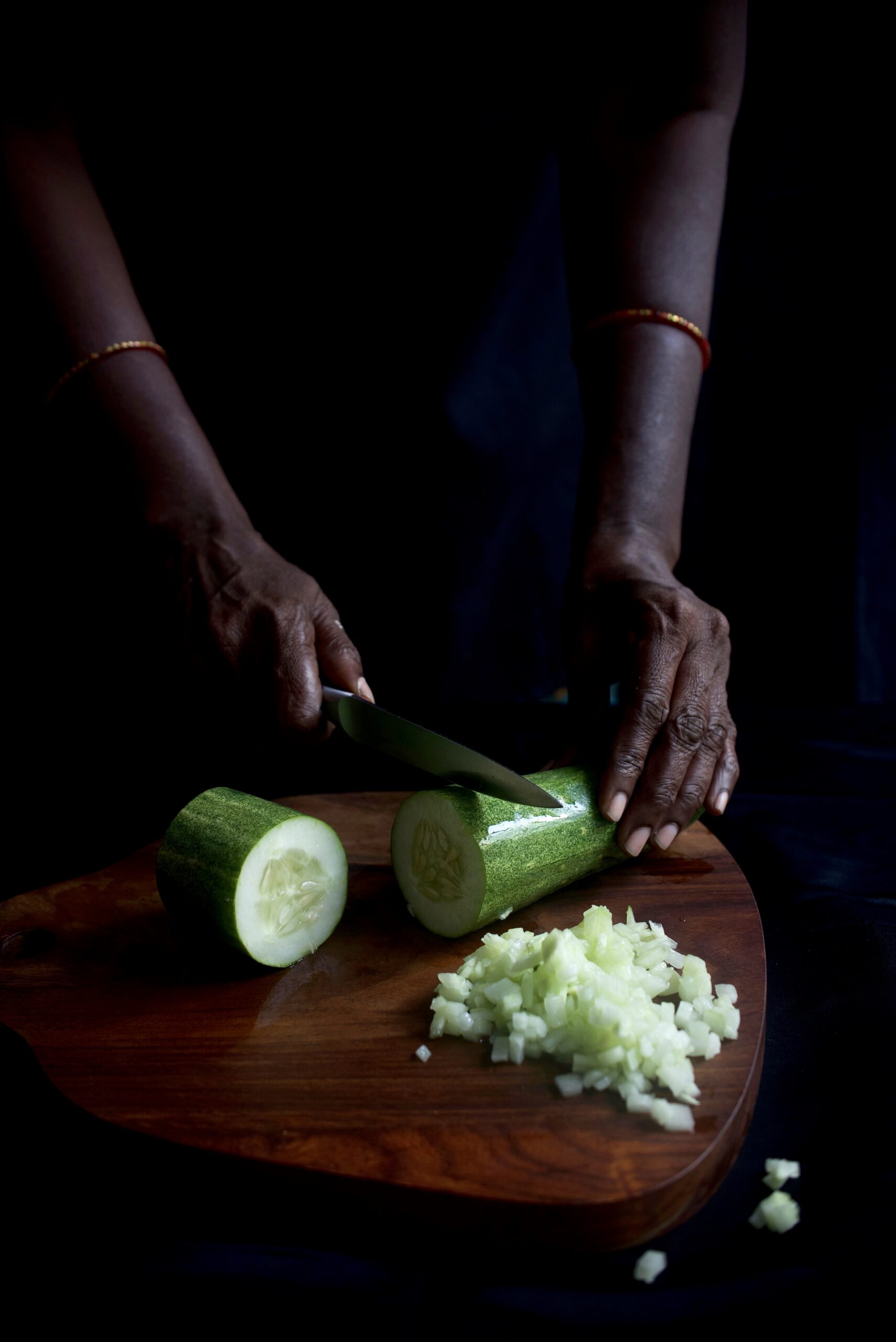
½ cup finely cut cucumber
¼ cup finely cut onions
¼ cup cut tomatoes
¼ cup cut raw mango
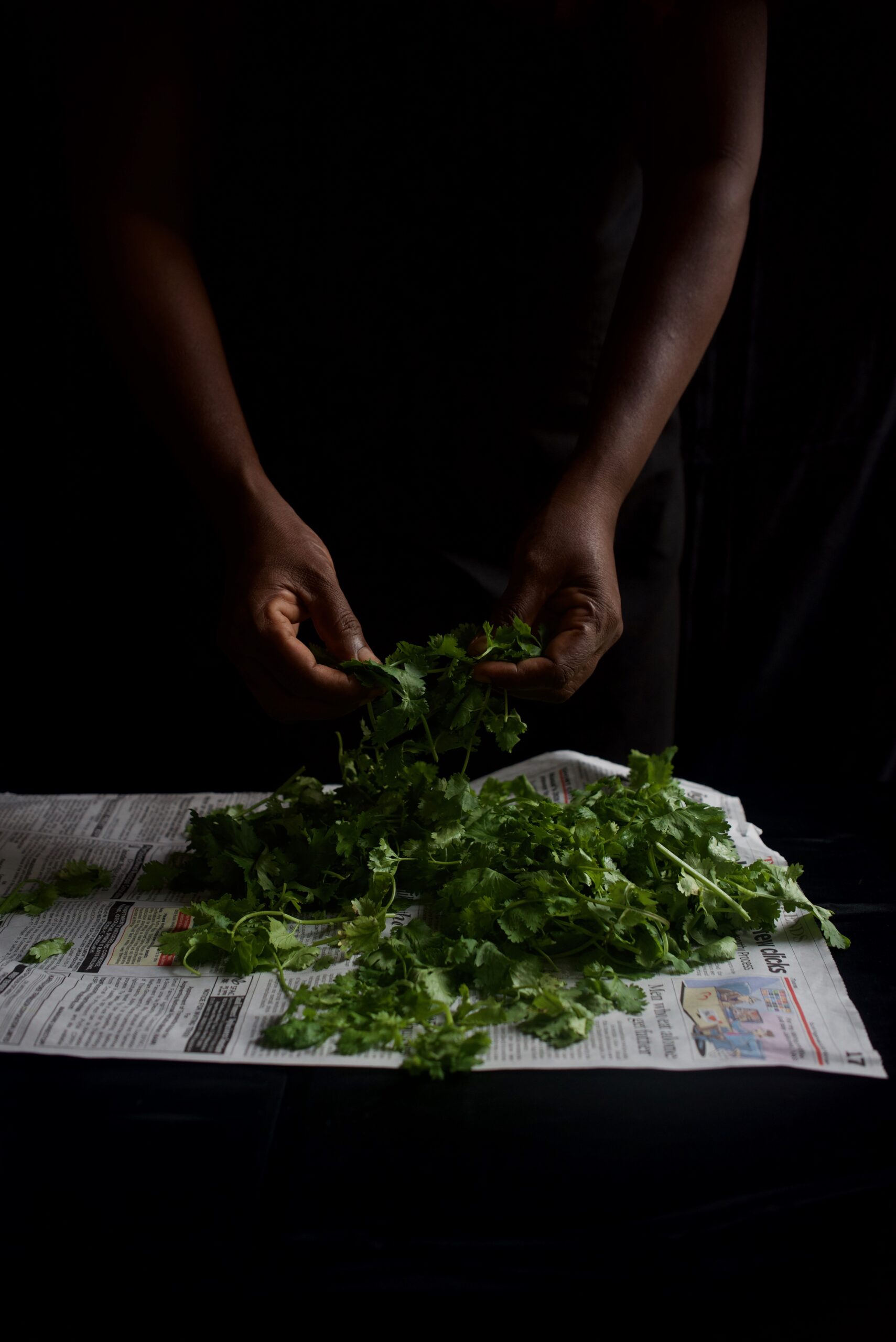
¼ cup finely chopped coriander leaves
¼ teaspoon roasted cumin powder
3 cups water
Salt to taste

Date Chutney (Yield: 3 Cups)

1 cup jaggery
1 cup chopped dates
1 cup tamarind
¼ cup sugar
1½ + 1 + 1 cups water
2 teaspoons roasted cumin powder
1 teaspoon black salt
¼ teaspoon chilli powder
Salt to taste

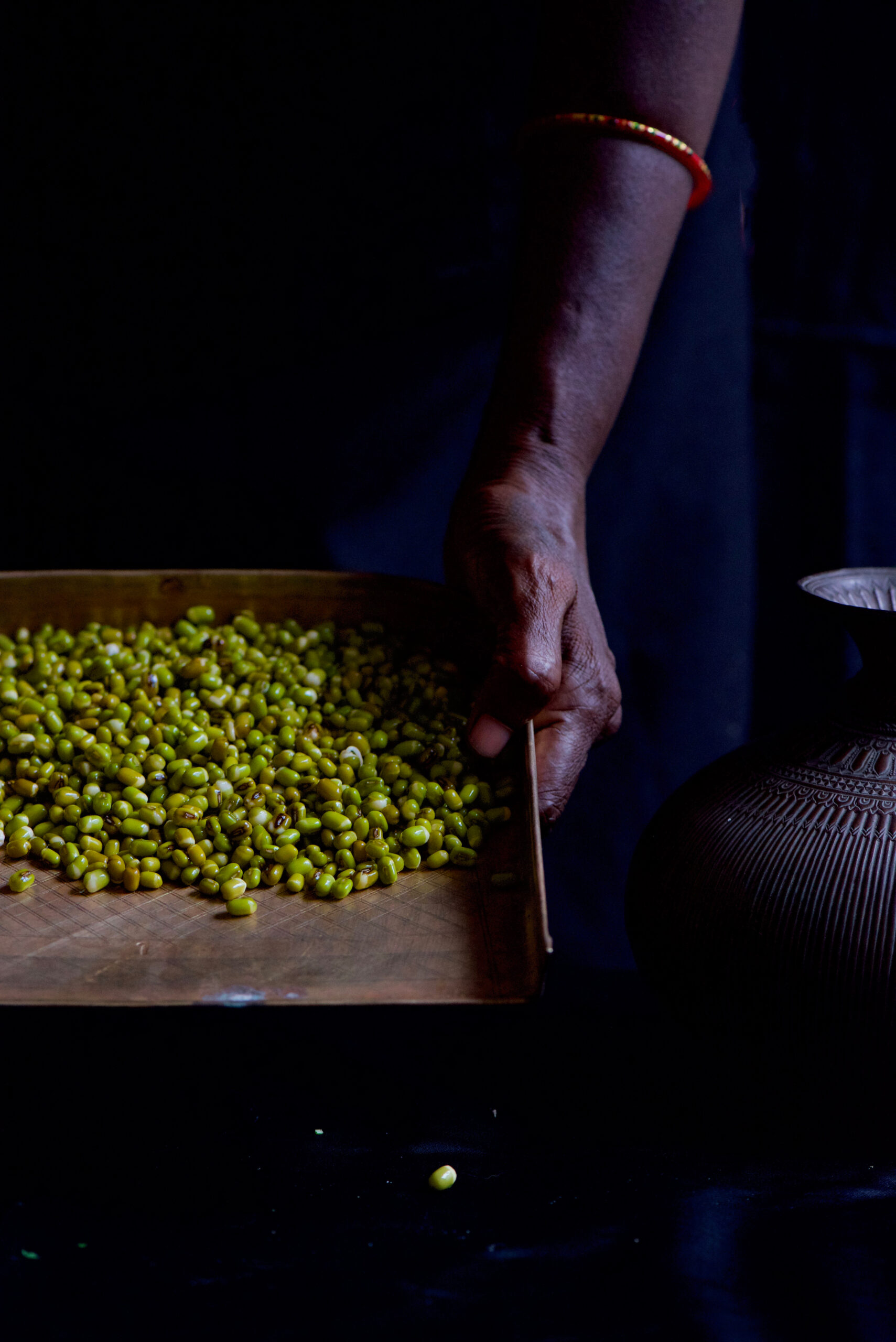
Soak the moong beans overnight, or for 6-8 hours. They will triple in size when they have been well-soaked.

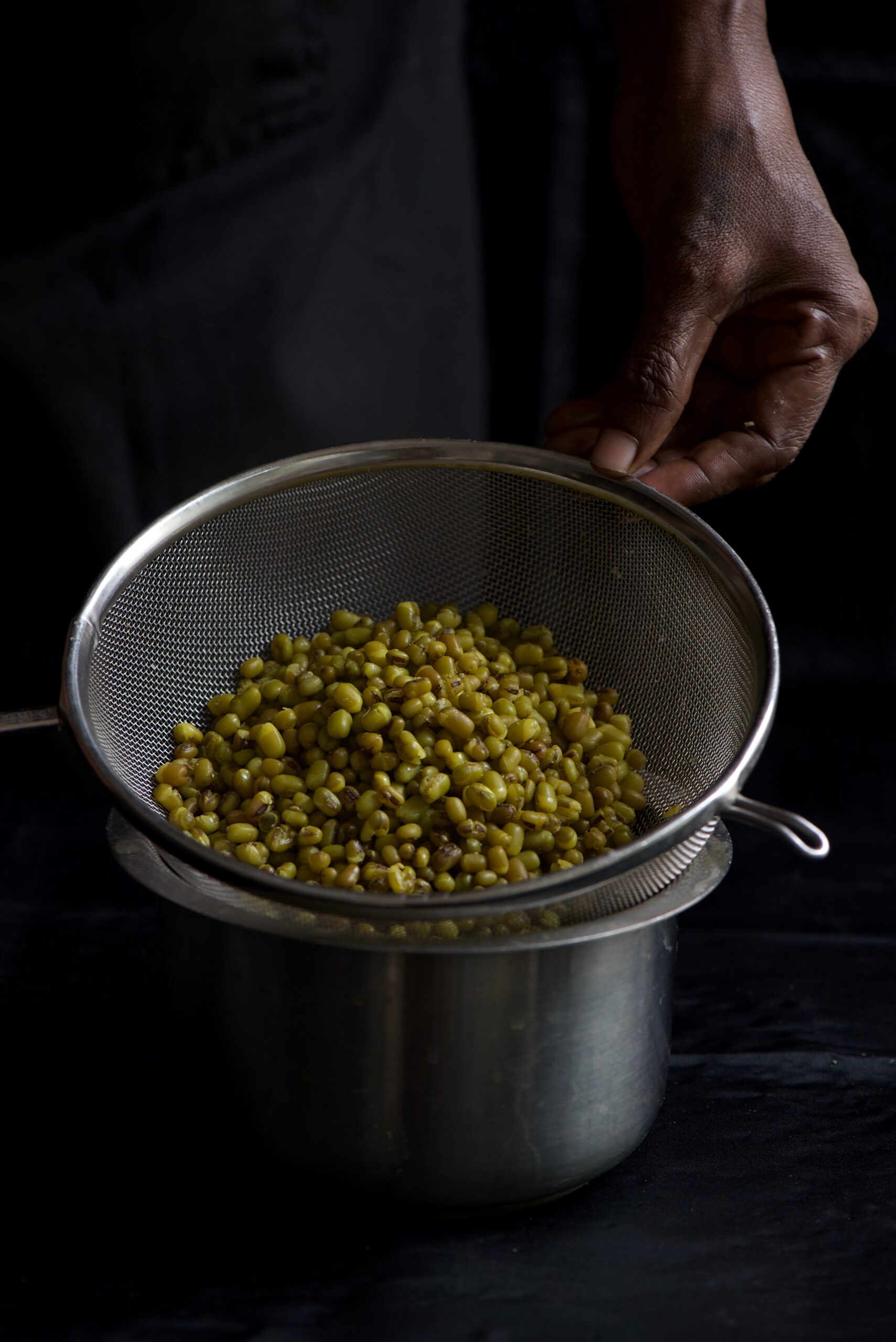
On a medium flame, add 3 cups of water, ¼ teaspoon of salt and a pinch of turmeric to the beans and allow to cook. This will take 15-20 minutes. The beans should be soft to the bite.


Strain the beans and allow them to cool.


In the meantime, put all the cut vegetables and the raw mango into a bowl. You can add any vegetables of your choice, whatever you find handily available, and increase or decrease the quantities to your preference. My selection here is a very typically “chaat” selection of fresh, affordable local produce. Keep aside some coriander for garnishing.


To this bowl of vegetables and fruit, add two chutneys. You can find the green coriander chutney recipe here (if you’re on a health kick, try not to get distracted by the banana-methi fritters recipe!). It’s an extraordinary simple just-blend-it-chutney, and you can use it in versatile ways.

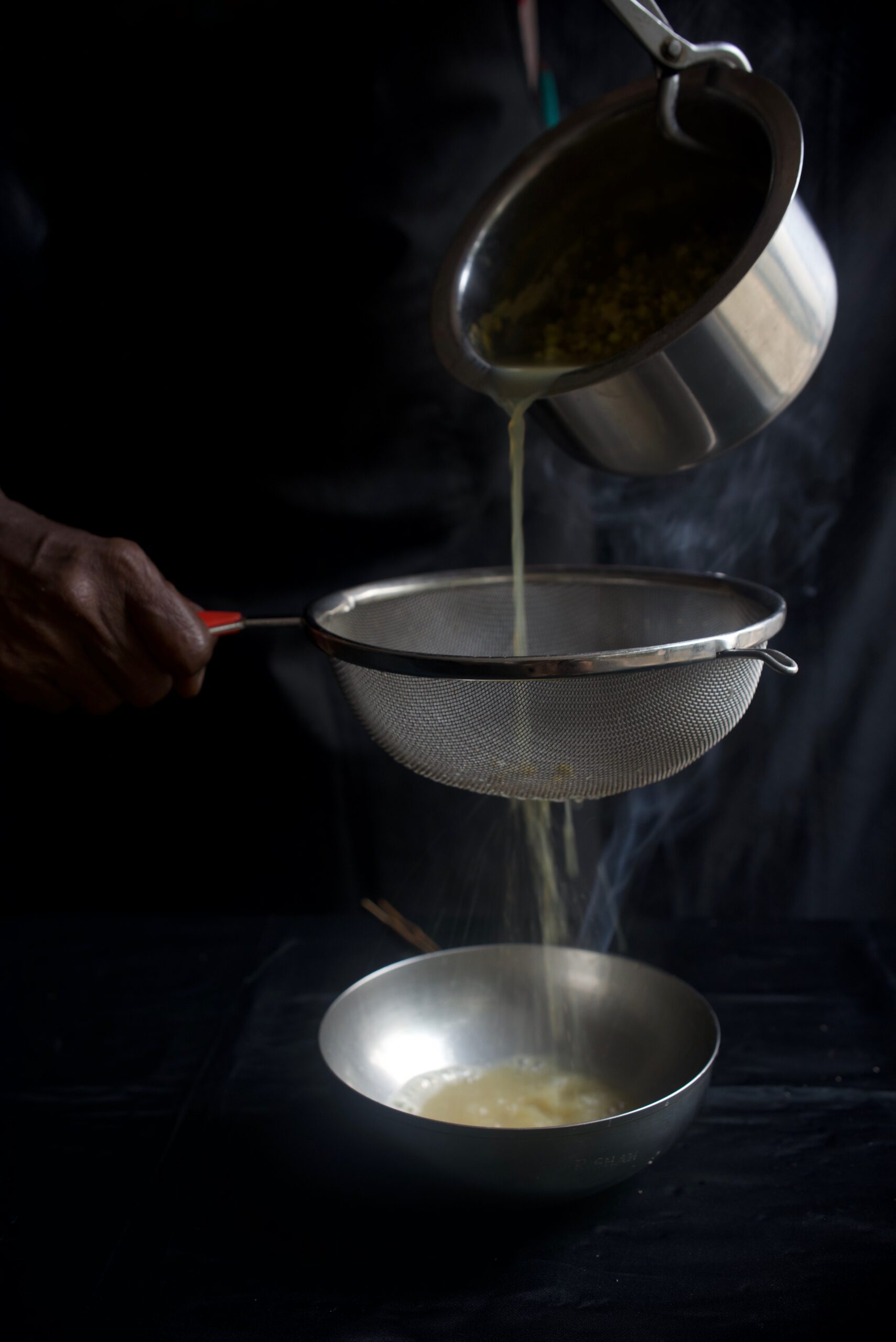
The date chutney requires just a few more steps. Soak the jaggery, chopped dates, tamarind and sugar in 1½ cups of water for at least half an hour. Then blend this very well with 1 cup of warm water. Sieve the mixture to remove any sediments. Now, add the roasted cumin powder, black salt, chili powder and salt, as well as an additional cup of water, and boil for approximately 15 minutes. You will notice the mixture thickening, and you can adjust this to the consistency you desire by adding more water. This recipe yields a generous three cups of date chutney. Use only as much as you need for the green moong bhel dish, then save the rest in the fridge.

Blend 2 teaspoons each of the two chutneys into the bowl of cut vegetables and raw mango. Then add all the spices as well as the cooled moong beans to the bowl. Mix all the ingredients together nicely, making sure the chutneys coat them well.

Now, serve the green moong bhel in smaller bowls, garnishing with the coriander leaves. I often like to add a bit of crunch on top too, such as crushed peanuts, pomegranate, fried crisps or the puffed rice that is reminiscent of traditional chaat.

You can put this healthy snack on the list along with sundal, pea-pomegranate kachoris, sweet ghugras and, of course, banana-methi fritters and enjoy it with some piping hot chai or coffee. Or have it as an alternative to salad or quinoa, and enjoy a big bowl as a full breakfast or a light lunch. As simple as the dish looks, it’s absolutely loaded with flavours. Healthy can taste so good, sometimes!


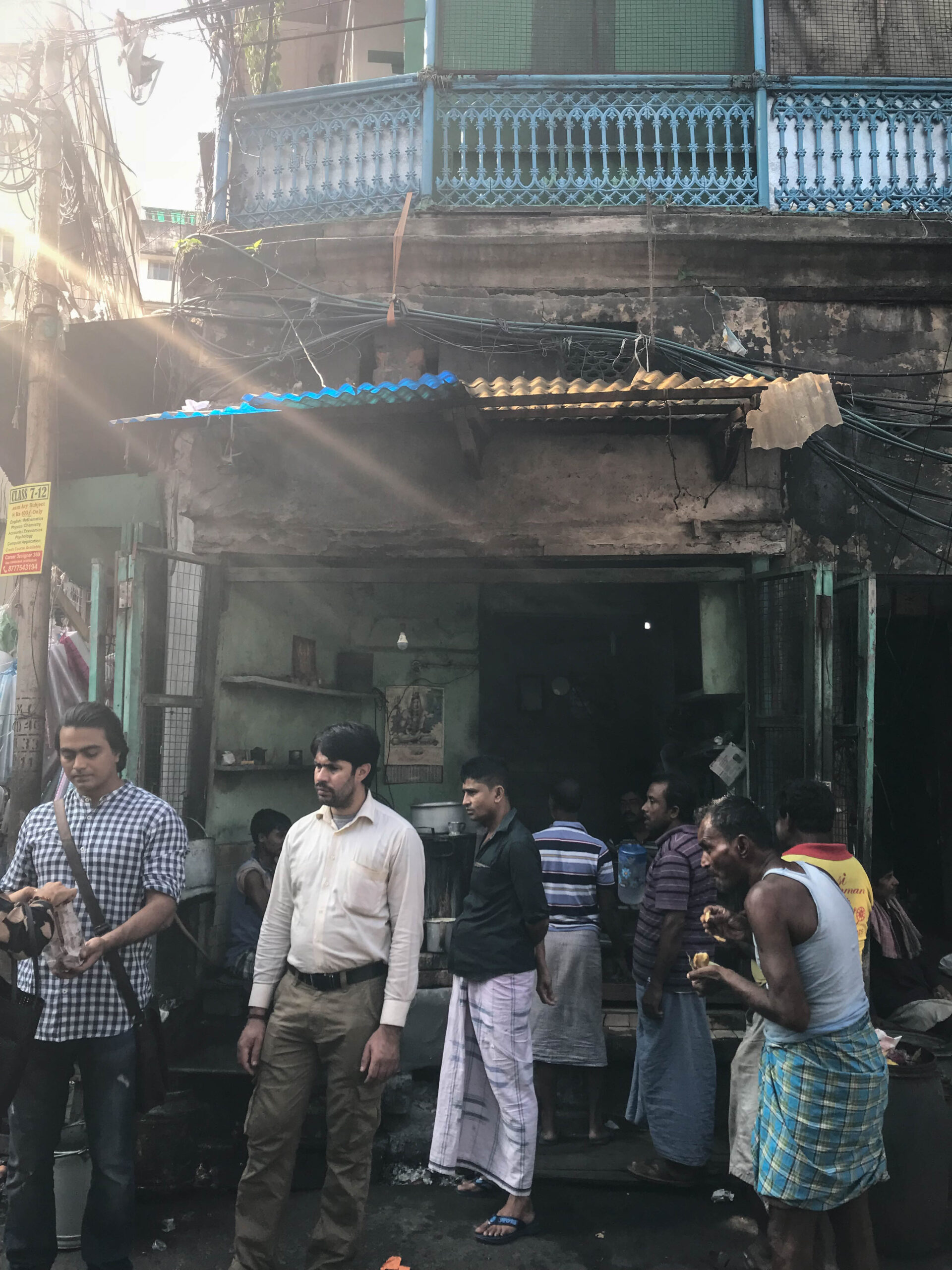
Standing at that quaint tea shop in Kolkata that early November morning, I realised that the city had been awake for hours. We were on a guided tour, and as we found ourselves there for our first cup of the day, I noticed how around us were people who had taken a pause during their work. All of us – locals and tourists, at leisure or on the job – were treating ourselves to a small terracotta or glass cup of warm chai. In just five minutes, I saw not only a classic street-style chai-making procedure, but faces from everywhere – each of them enjoying a rejuvenating sip of this quintessential beverage.

I couldn’t resist picking up my camera. I was so pleased that these men, for whom this particular stall is a routine, were happy not just to be photographed but also to chat! They say a cup of tea brings people together – and for a few minutes on a morning in Kolkata, that’s exactly what happened.


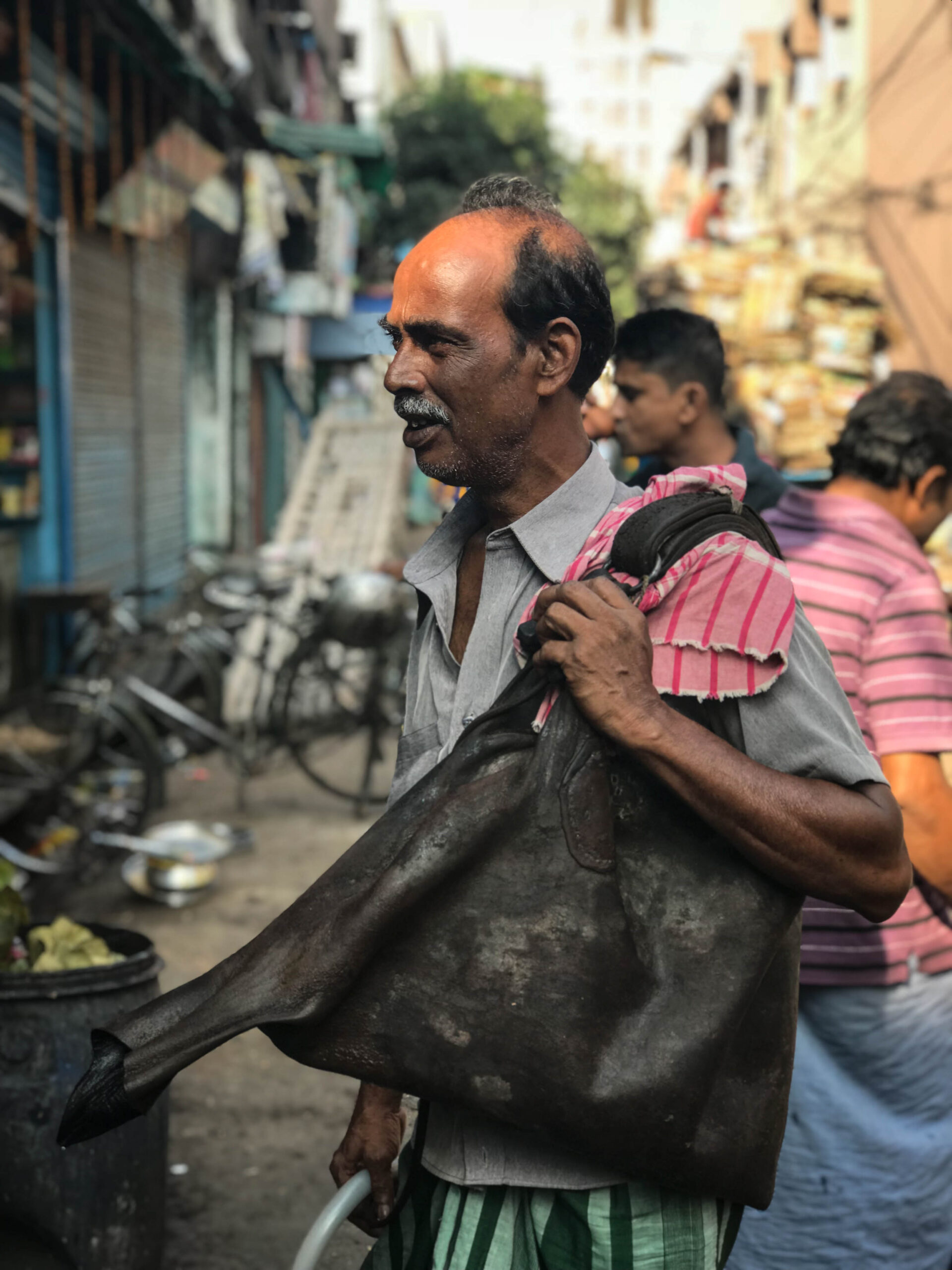
It was this man’s mashk – a goat-skin bag – that caught my eye. He sells water from it, at ₹10 a serving. He proudly told us that the neighbourhood we were in is colloquially known as Bheeshti Para, an homage to the traditional occupation of the water-carrier (known as “bheeshti”). He also shared that the etymology of “bheeshti” comes from the Persian word “bihisht”, which means “paradise”). How poetic – the water-bearer from paradise, bringing succour to the thirsty.


We also met this money-lender whose family is from Afghanistan – one of the many communities who settled in Kolkata, who have carried the trade on for generations. In fact, Afghani money-lenders were popularised in Rabindranath Tagore’s short story “Kabuliwala” (literally, “the man from Kabul”), which was also made into a number of films.

Kolkata is home to many such communities of foreign origin, who have enriched it. For instance, it is the only South Asian city with a Chinatown, thanks to several generations of people originally from China who have made it their home. There are also Anglo-Indians, Parsis and numerous other uniquely Indian cultures. And there I was, a Tamil Nadu-raised Gujarati, sipping from my terracotta cup too.


It’s always a pleasure for me to watch another culinary expert at work. Look at the precision of this chai-maker’s tea-pouring technique!


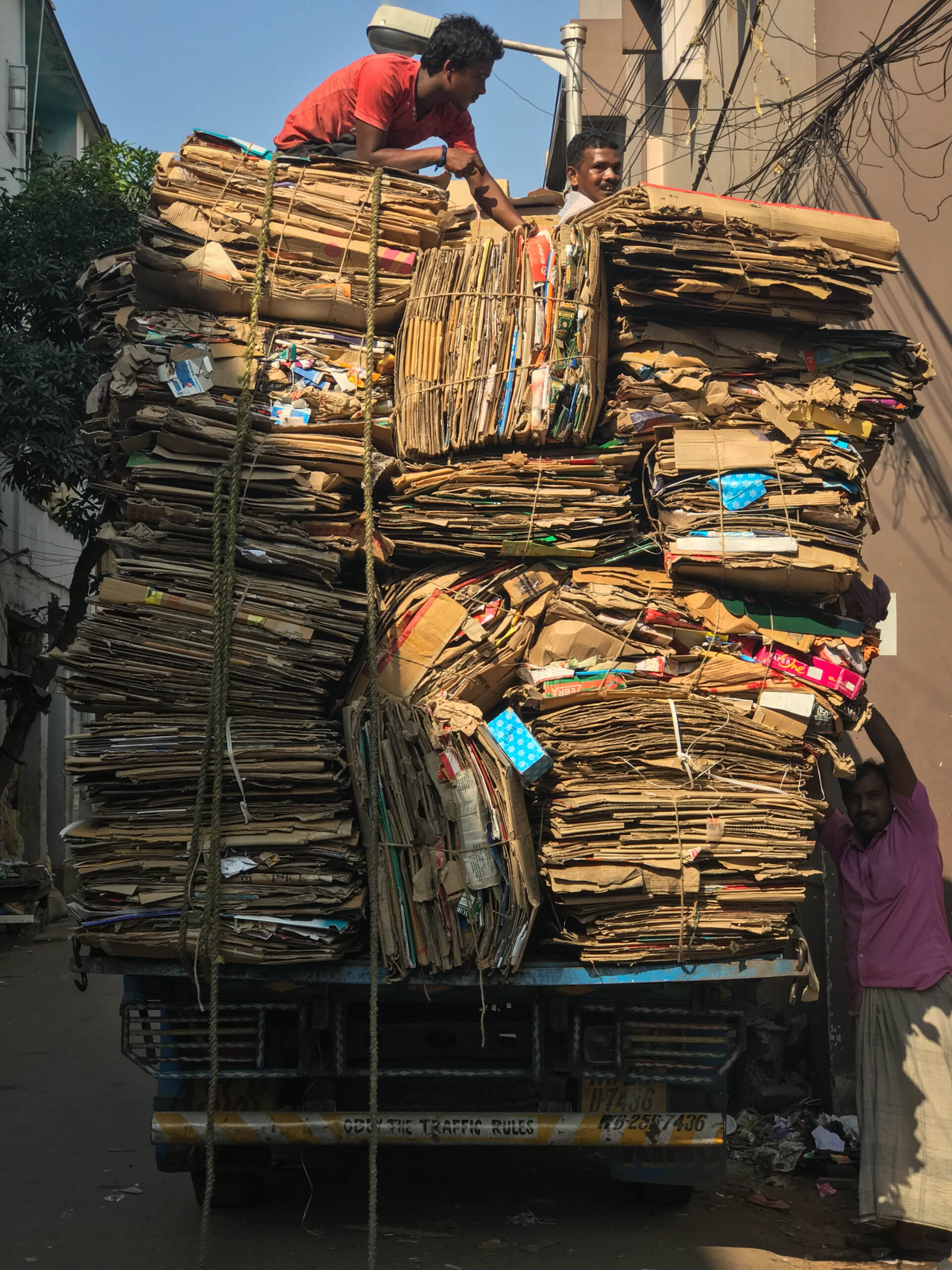
The street was abuzz with life that morning, as the fogginess gave way to bright sunlight. A recycling truck was passing by. Right next door to the tea stall was a food stall selling breakfast: pooris, pickles and savouries. Somewhere nearby, I am sure that the famed Bengali milk sweets were being made and sold too.

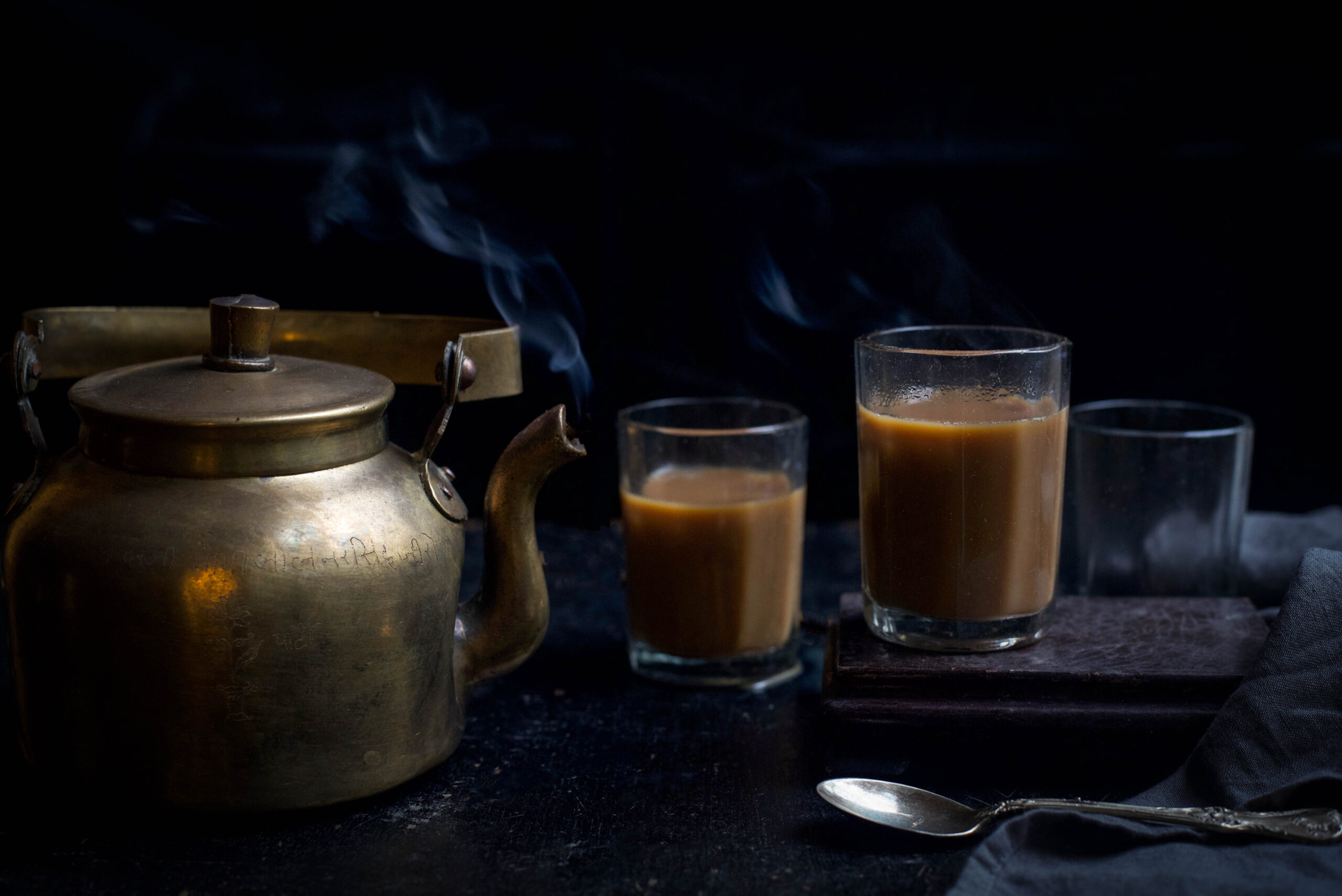
And how amazing is it that one morning I was drinking Bengali tea at a street-side stall in Kolkata, and the next morning I was back here in Coffeeland aka Chennai, a land famous for its filter coffee? I love my coffee anywhere in the world, but the moody monsoonal rain and my recent trip inspired me to recreate that hot, spiced tea here at home.


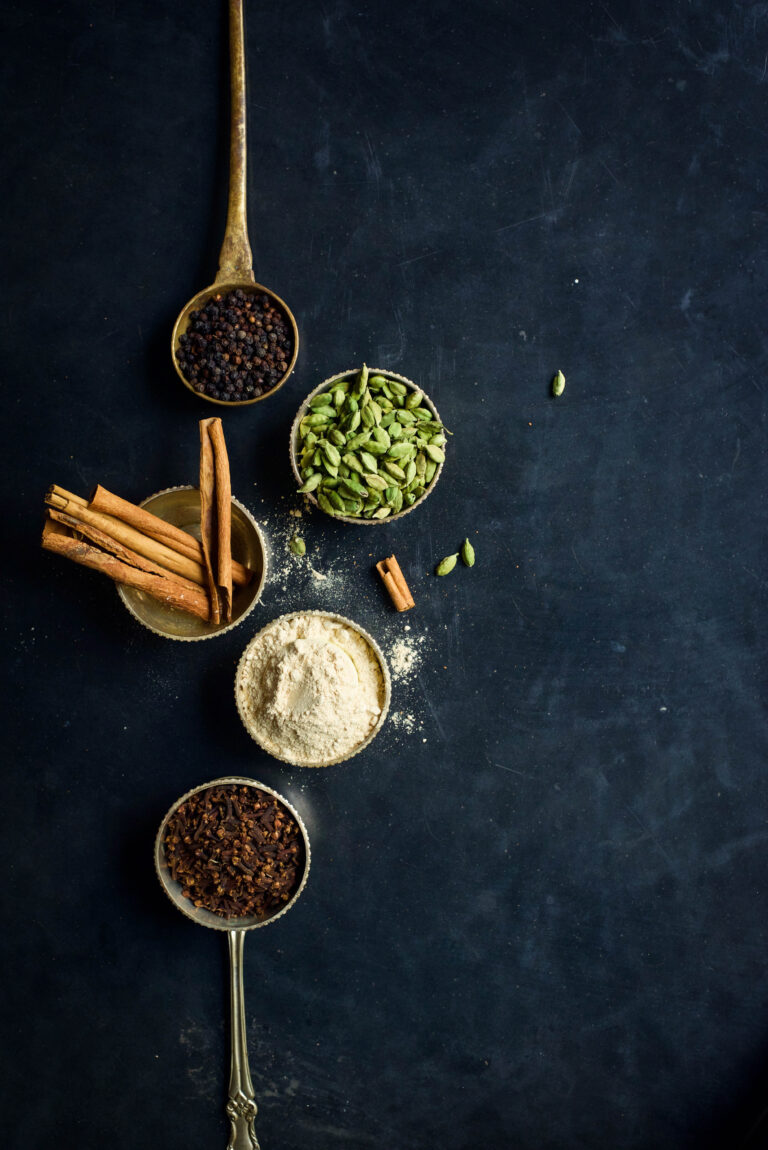
Masala Chai Powder

(Yield – approximately 100 grams)

Ingredients
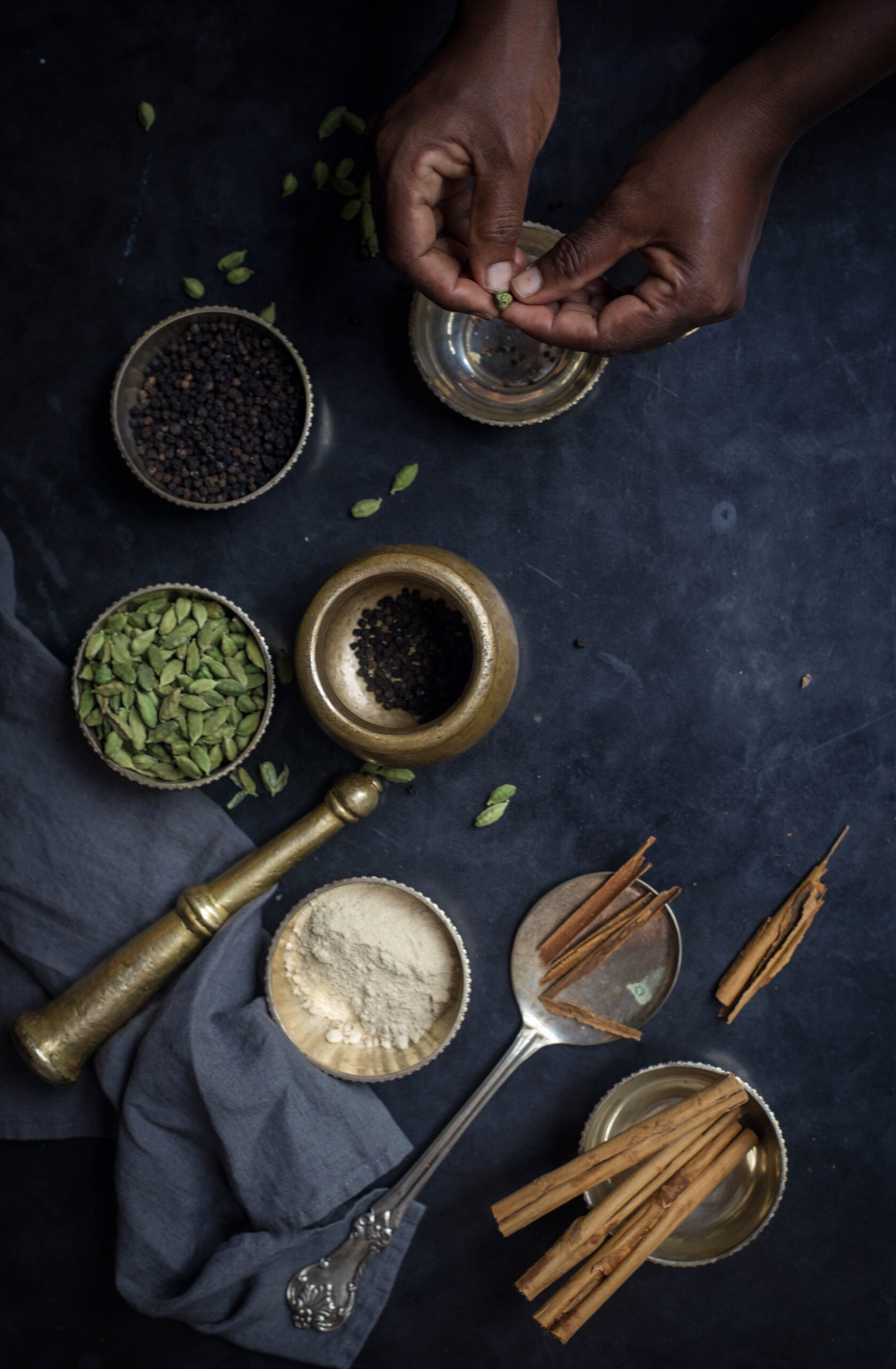
¾ cup black pepper

½ cup cloves

3 tablespoons peeled cardamom

½ cup cinnamon sticks

1 tablespoon ginger powder

1 tablespoon pipramul powder


Tea is so quintessentially Indian that it’s easy to forget that it was actually introduced to India by the British. Originally from China, the tea shrub was found to grow well in hilly regions like Darjeeling and Assam, and closer to my home, in the Nilgiris. In fact, the word “chai” is from the Mandarin word “cha”.

I grew up watching masala chai powder batches being made for a year at a time during the hot summers.  This is what is now known as a Macrobiotic approach, making use of the logic of the seasons, in this case the heat. I have found that sun-drying makes the flavours bloom. But masala chai was originally had in the winters, as the herbs and spices had a warming effect – even roasting in the winter sun was sufficient, provided there was no rain.

If you’re trying this method on a warm day, roast all the ingredients except the ginger and pipramul powders in the sun. If you’re in a rainy or wintry season like I am right now, simply roast the ingredients (except the ginger and pipramul powders) on an iron pan for less than five minutes.

If you’re a fan of spices, the other ingredients will all be familiar to you, but if you’re wondering, pipramul is also known as Indian long pepper or ganthoda, and is a rhizoid similar to ginger. It aids digestion and helps with any kind of gastric trouble.

Once the ingredients have cooled, blend them into a powder. Add the ginger and pipramul powders and mix thoroughly. Store in an air-tight container.

If kept dry, you can use this powder for months at a time. It’s used only for chai and added into the boiling process of tea making, as is the Indian way.

My few minutes at that chai stall in Kolkata that morning made me ponder what a privilege it is to have tea at home, and not on the go while on the job. Tea is said to be a contemplative beverage, and is such a wonderful companion to both conversations with others and moments of musing alone. I’m contemplating the people I met that morning as I savour this cuppa. What’s on your mind today?

Once upon a time, before I decided to turn completely vegetarian again, I used to enjoy the very occasional meat dish. And more often than not, the particular dish that would kickstart my cravings was the chili bowl I discovered in L.A. some decades ago while pregnant. A rich, spicy stew with Tex-Mex origins, it’s a quintessential part of the cuisine of the southern American border regions – and something which reminded me of Indian food whenever I was homesick or longing for comfort food while travelling in the States.

Chili is a meal-in-a-bowl, although you can eat it with tortillas, rice, nachos, fries or other accompaniments if you like. Did you know that the Nahuatl (indigenous Mexican) word chīlli is what gives the chilli pepper its English name too? The dish too takes its name from this most vital ingredient. If you’re interested in a history of the dish, do read this comprehensive article with various legends and records.

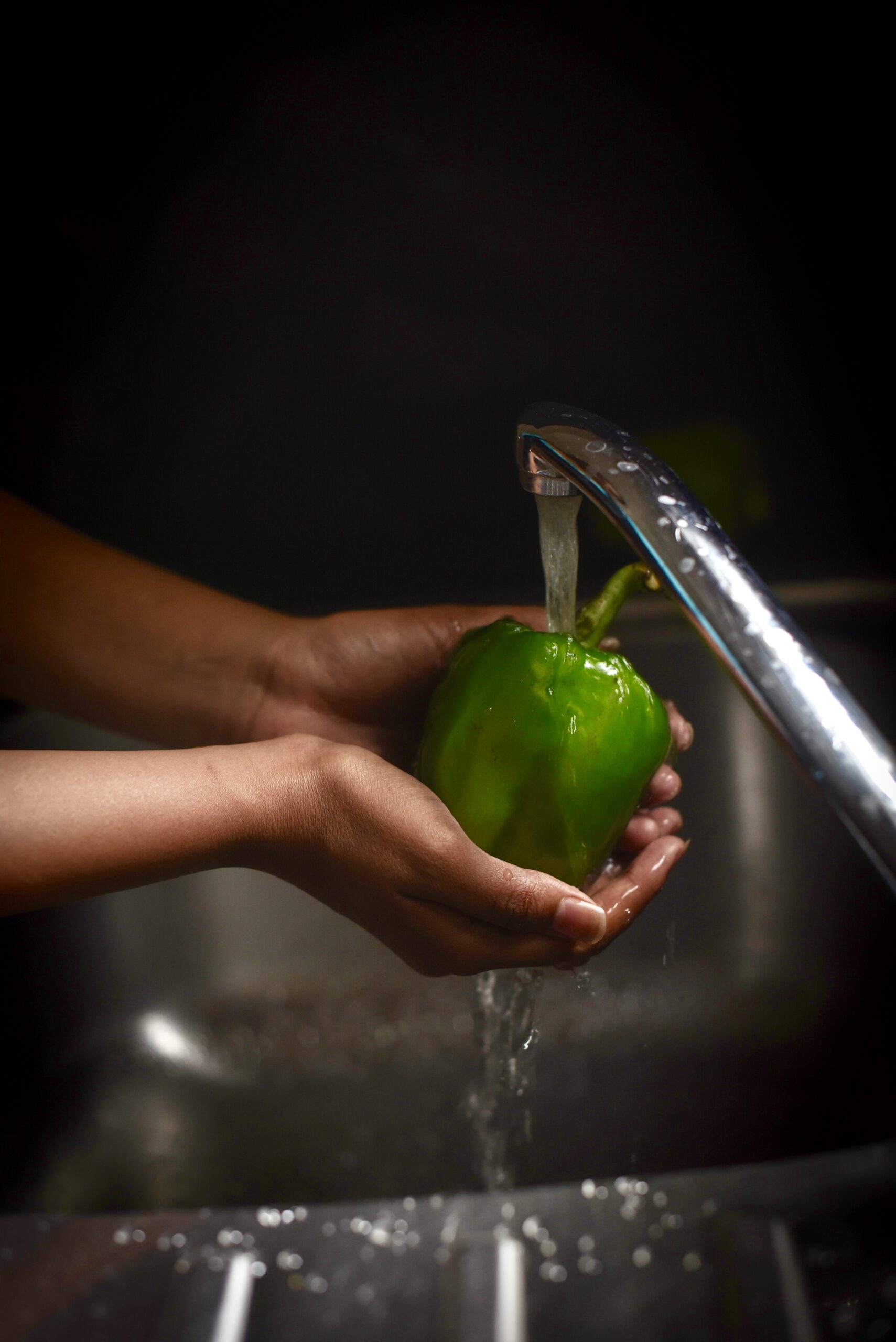
Chilli fruits – yes, fruits! – were cultivated in ancient Mexico, and were introduced to the rest of the world through European colonists and traders. Then, based on different climactic conditions, certain places grew famous for particular cultivars: e.g. bhut jolokia (or “ghost peppers”) in India and Malawian kambuzi. In fact, the chilli powder I use to make my chili (yup, the spelling of the two words is close but not exact!) is a ground Hungarian spice known as paprika, made of sweet bell peppers and occasionally cayenne peppers. Each cultivar varies in pungency and intensity, and chillies are eaten in red, green, dried or capsicum/pepper variants. I also use capsicums in this dish.

The festive season has found me inundated with cupcake orders. Despite seeing so many in my kitchen every day now, I haven’t grown tired of stealing one now and again – all under the claim of checking the sugar level of course! Between some recent travel abroad and the sugar buzz around me now, I’ve missed the flavours and smells of Indian spices. Inspired equally by the memory of those long-ago chili bowls and my ongoing delving into the super-foods and smart-foods in our own Indian fields and forests, I decided to make a vegan millet-based chili. I tried and tested this recipe a few times before perfecting it. Fusion food can sometimes be a blunder, and sometimes be a wonder. I’d love to know what you think of this!


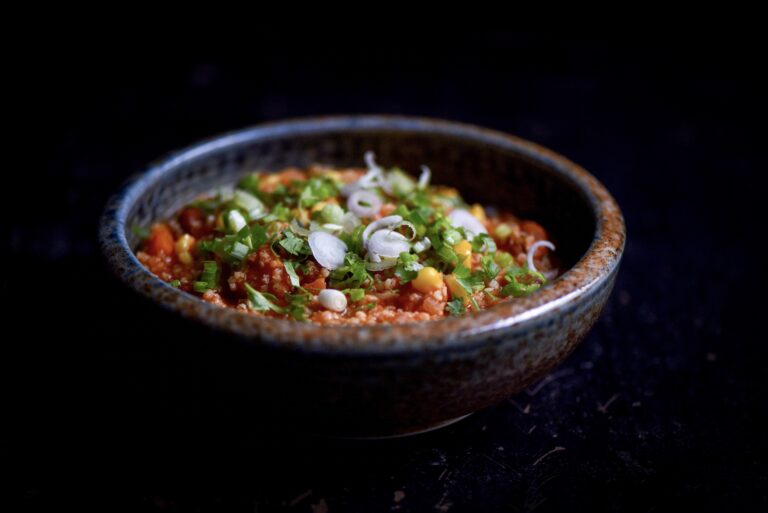
Vegan Chili Bowl

Ingredients:

1 tablespoon oil

1 teaspoon cumin

¾ cup carrots (chopped)

½ cup rajma/kidney beans (soaked)

½ cup onions (finely chopped)

½ cup capsicum (finely chopped)

½ cup green beans (finely chopped)

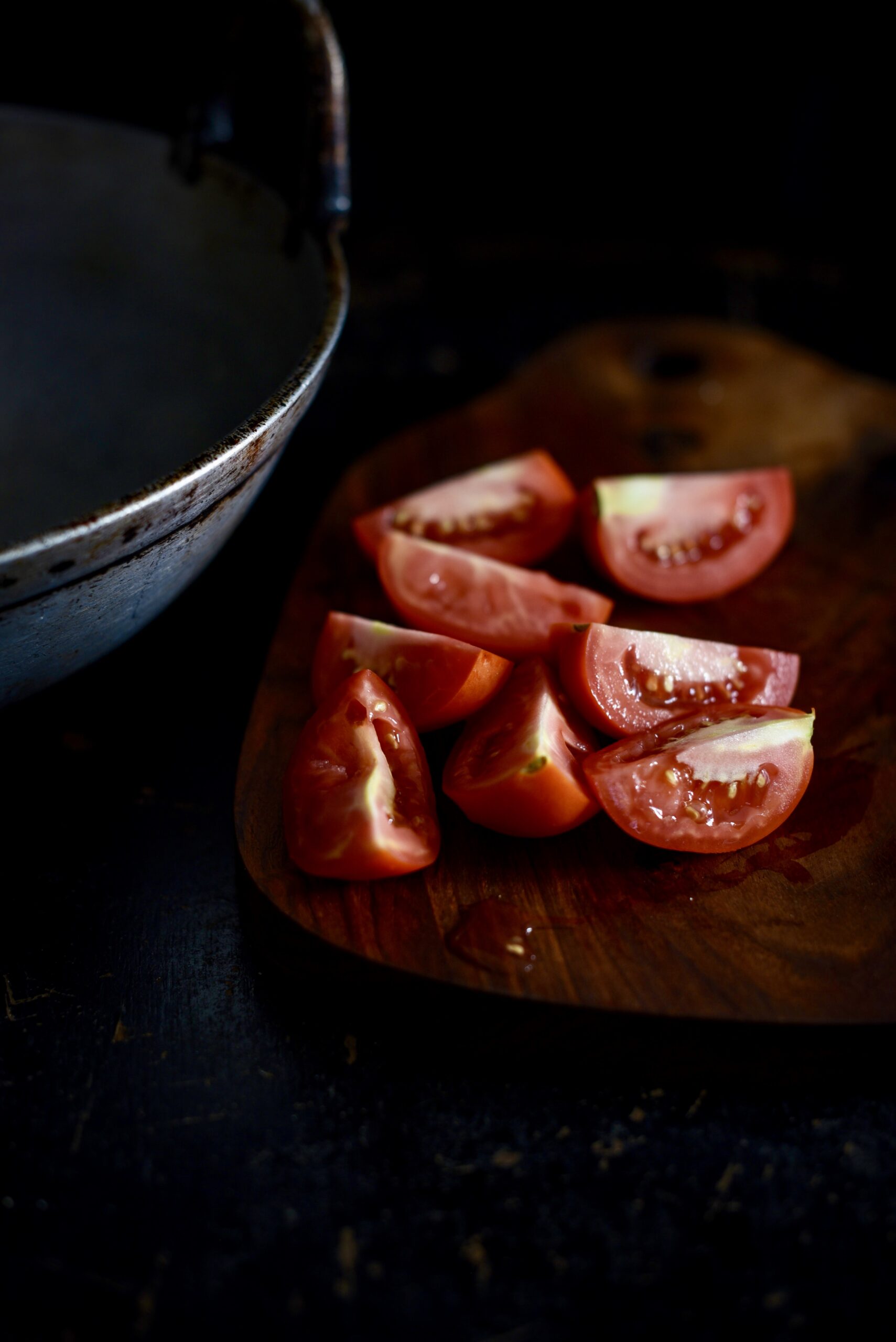
2 medium size tomatoes blended into a puree (approximately 1 cup)

3 pods garlic (grated)

1 piece ginger (grated)

¾ cup kodo millet

½ cup corn niblets and/or peas

Salt

Paprika

1 tablespoon lemon juice

4 cups of hot water

Chili may be Tex-Mex in origin, but the ingredients of my Vegan Chili Bowl are all easily available and highly affordable in India and elsewhere.

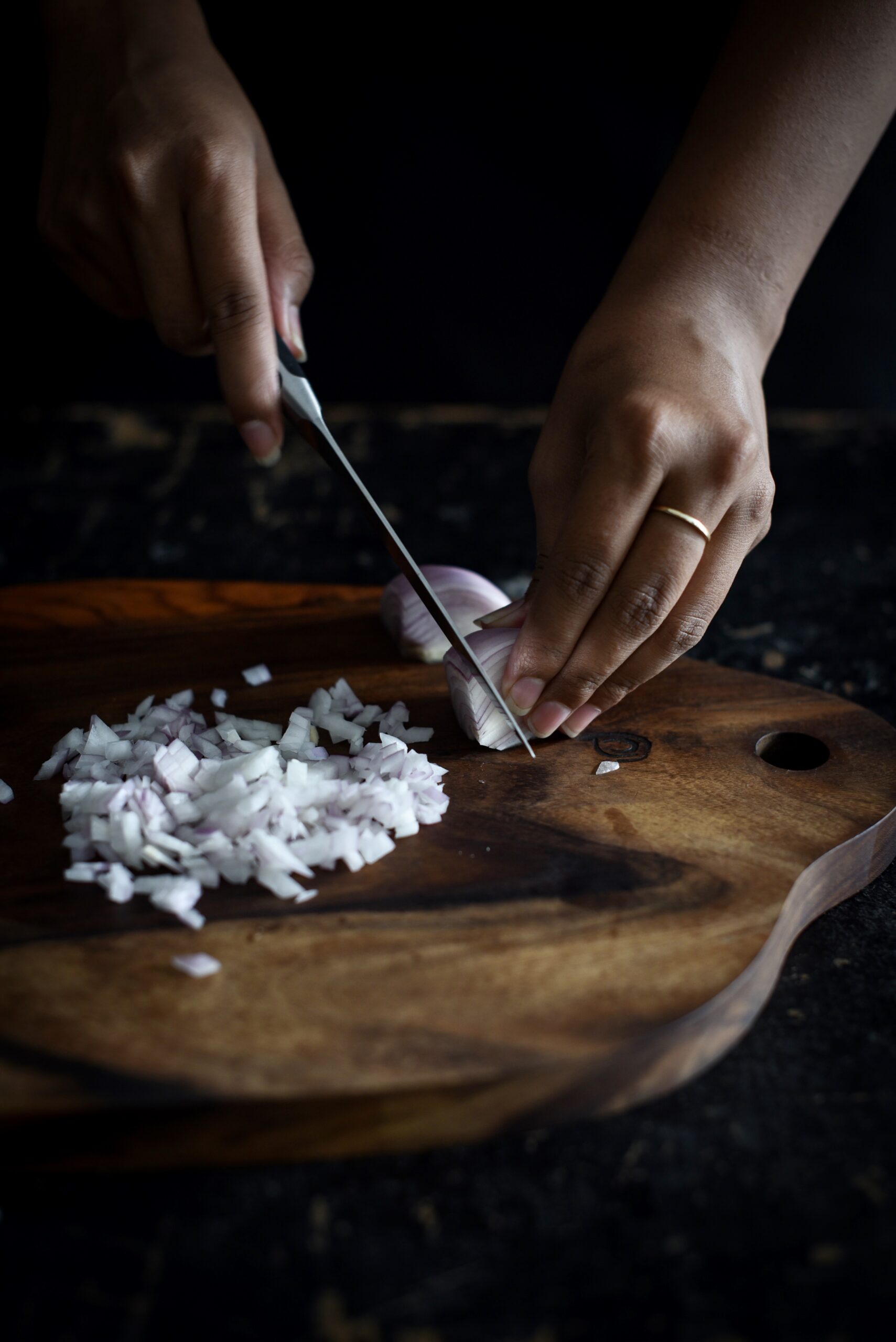
Take a pot and add oil to it. Once it is hot, add the cumin, followed by the grated garlic, ginger and onions. Sauté till golden brown.

Boil the green beans, peas and carrots and strain these. Keep the water aside.

Kidney beans take longer to cook so pressure cook or par-boil them before adding them to the pot. You may substitute the kidney beans for a lentil of your choice. Please note cooking time will differ based on which ingredient you use.

Add all the cooked vegetables to the onions along with the tomato puree, corn, capsicum (I used green capsicum, but you can use yellow or red too), millets, paprika and salt.

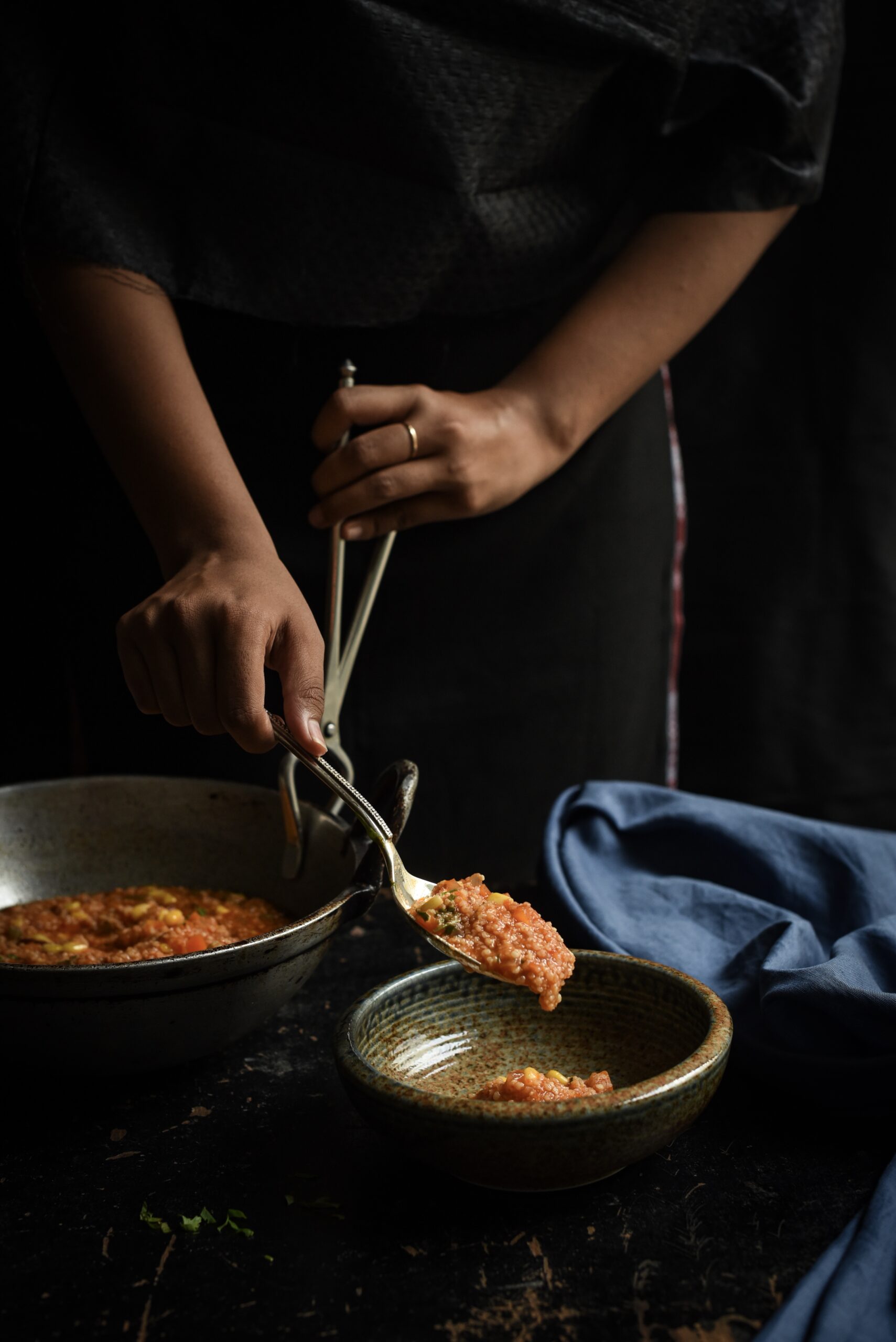
Now, add the strained water (approximately one cup) and the cooking water to the above ingredients. Cover with a lid and lower the flame. Allow this to cook for 20-25 minutes, stirring occasionally. I have used kodo millets, known in Tamil as varagu, which like all local millets has an extensive range of health benefits when eaten regularly. You can just as well substitute this with broken rice or wheat if you have them on hand, if you prefer. However, the cooking time will depend on the grain you’ve used.

Also remember that you can add all sorts of leftover vegetables to this chili – don’t feel restricted by the list I’ve suggested. They will only enhance the flavour and health quotient.

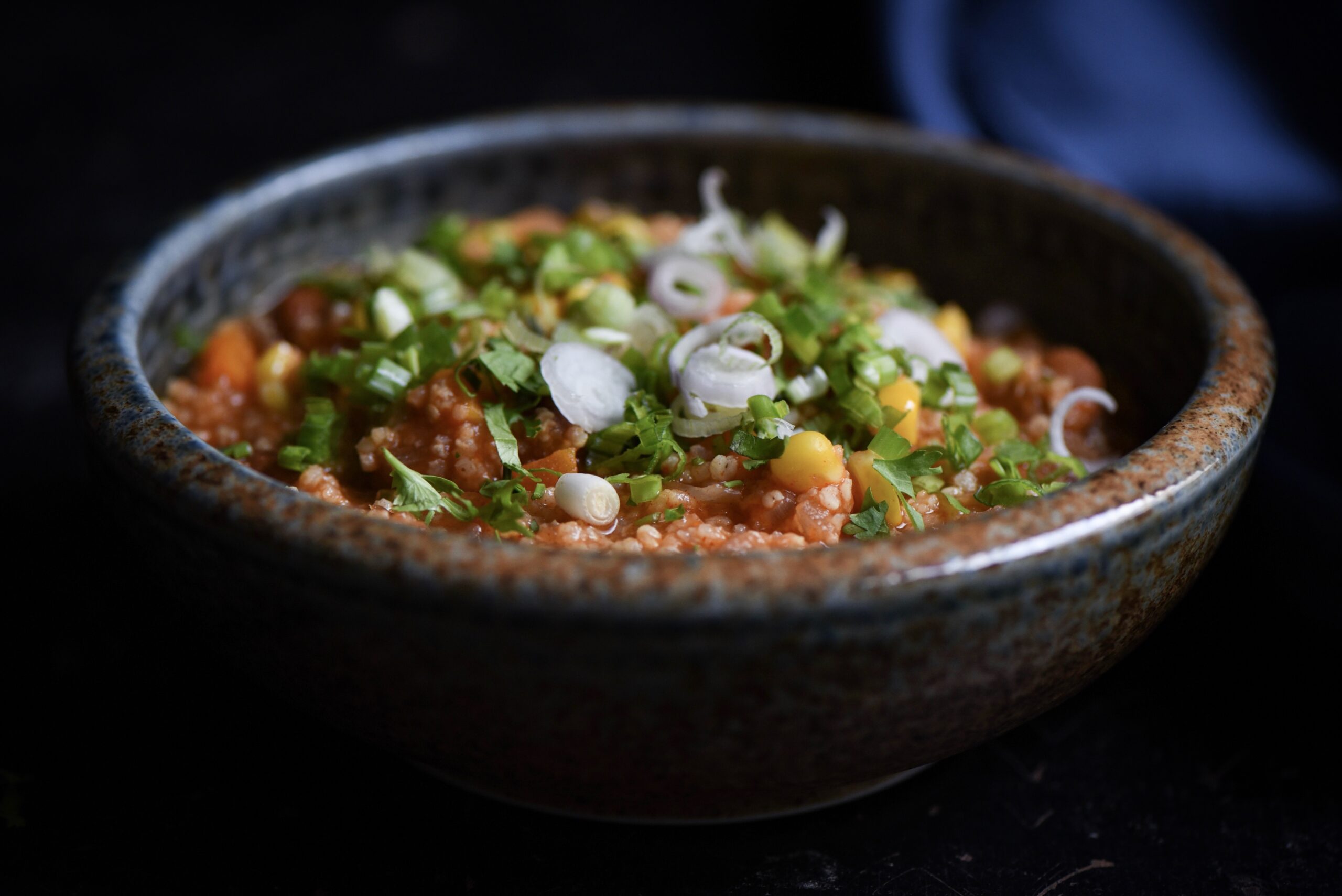
Once the grains are cooked well and tender, add the lemon juice and stir. Then, transfer the hot chili to small bowls and serve with some freshly chopped coriander leaves, fine slices of spring onions and other garnishings like roasted garlic or a handful of nuts. Chili is best eaten warm and fresh.

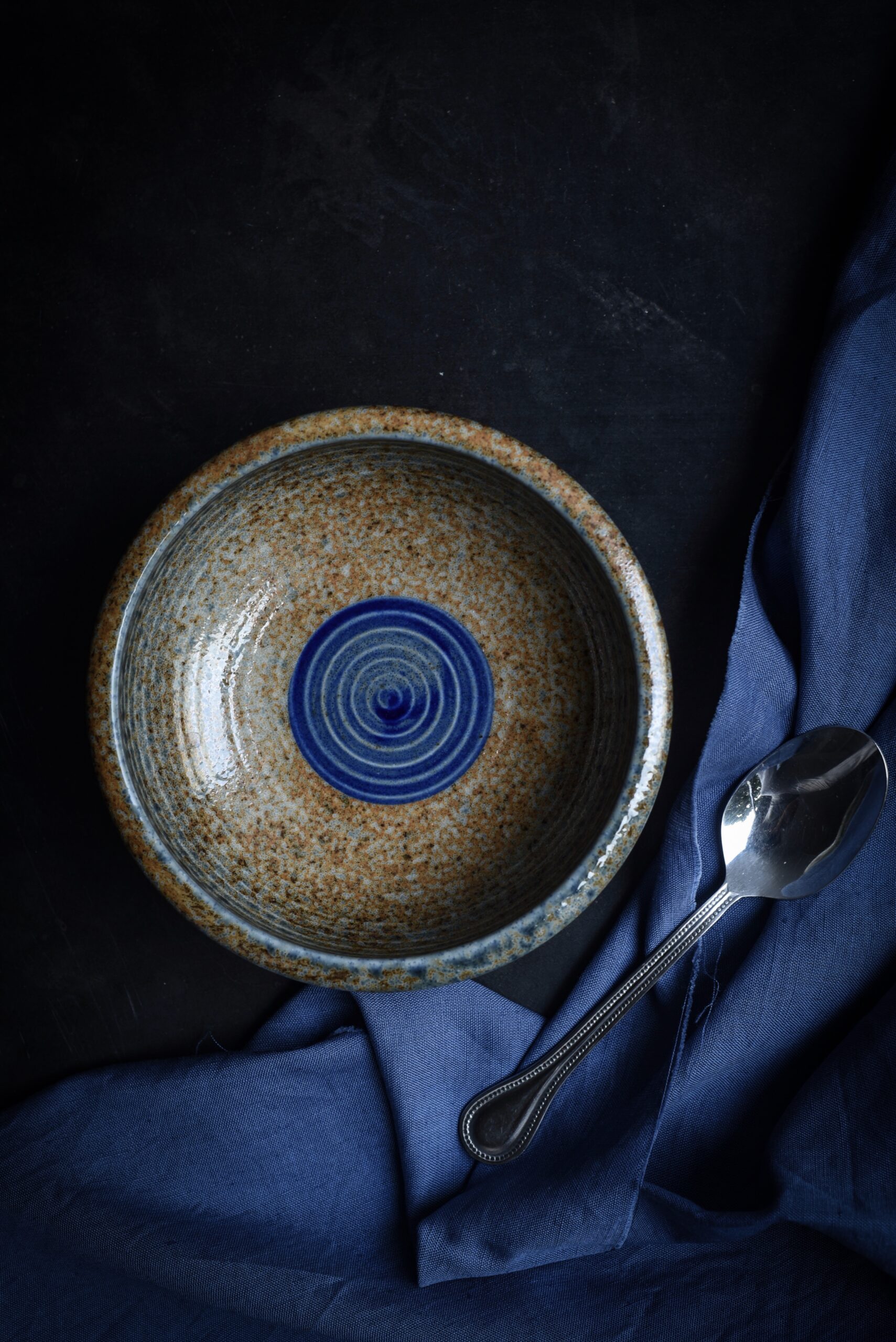
I love collecting beautiful crockery, and considering that this is a meal-in-a-bowl, I always take a little extra moment to choose the bowl itself well. When I made this the other day, I chose this pretty one with concentric blue circles on the bottom. It’s always a compliment to the cook when something is relished to the very last spoonful, and a nice design on the tableware is revealed.

As more people explore healthy or ethical dining options like turning vegan, our kitchen repertoires should also expand beyond serving and eating obvious items. This Vegan Chili Bowl is just the kind of unexpected dish that will make a vegan guest feel welcomed by your thoughtfulness. They are sure to enjoy it far more than picking at an ordinary salad or an unimaginative dressed-down version of the main course. The best part is that as it is a meal-in-a-bowl, you can be assured that they will be fully satisfied.
India contains a diverse mix of religions, both brought from abroad and homegrown. Among the latter category is Jainism, which has been practised for thousands of years. Some of my family members belong to this religion, and as the most sacred Jain festival, a time of fasting known as Paryushana, fell this year between August 19 and August 26, I was reminded of a particular temple we used to visit when we were kids… and a specific delicacy that was served there.
As I mentioned in my previous blog post, food is ritually offered to gods in many Eastern religions. At the Mahudi or Madhupuri temple just outside Ahmedabad, the deity Ghantakarna Mahavir Dev loves a ghee-rich dessert known to Gujarati Jains as sukhudi. Gujarati Vaishnavites like myself know it as gol papdi, and offer it to the baby Lord Krishna. By whichever name you call it, it’s a very simple dish both in its preparation and in the ingredients used. It could have become a staple as a religious offering because of both reasons: any family would have been able to afford to make and serve it to God.

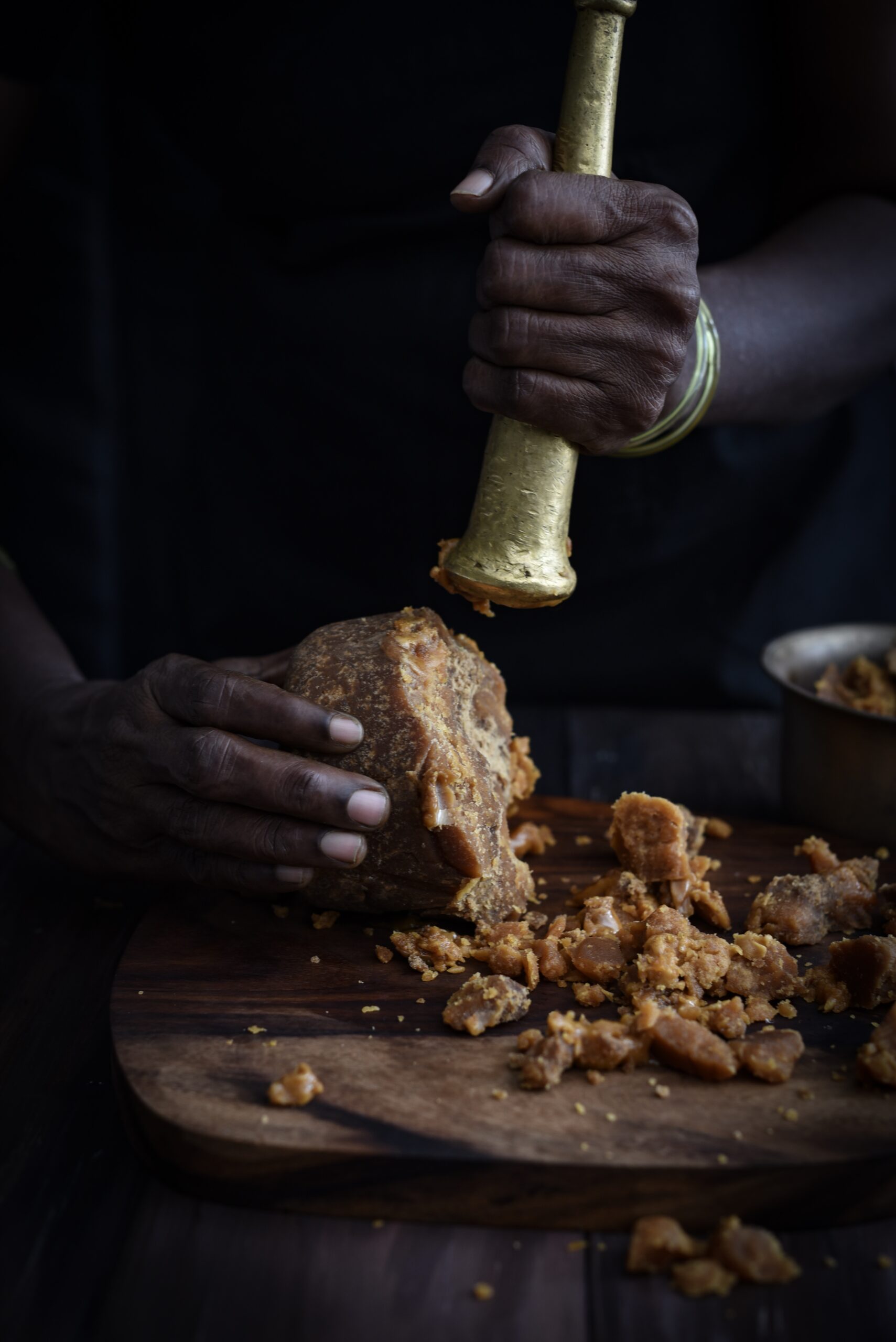
Jaggery is made of cane sugar or date palm. A sweetener that is believed to aid digestion, it is generally a healthier alternative to refined sugar. It has a cooling effect in the summer, and a warming effect in the winter. It’s a vital ingredient in Gujarati cuisine, and a pinch is used in so many dishes (even those which you wouldn’t classify as sweet) to add to the flavour. And it’s a sacred ingredient, of course – the gods certainly seem to enjoy it!

At this temple, this whole wheat and jaggery sweet is made in individual earthenware vessels. After it is offered to the deity, it is served piping hot to those who come to the temple. It is absolutely forbidden to either waste even a little or to take it outside of the temple compound. If you know you’ll be unable to finish your portion, you must give it to pilgrims rather than throw it away. And it is considered extremely bad luck to take sukhudi out of the temple – a theory which my grandmother once tested to her great surprise!

The story was recounted to me by my aunt Sam, whom I visited a couple of weeks ago. Many years ago, when Sam was still a teenager, some of the family had gone to Mahudi. When they returned, the parents and elders were chatting downstairs, while the kids played on the third floor. Sam had been sitting atop of a pile of mattresses that had been set by a window. Down below, her mother (my grandmother) was telling the others that she didn’t believe in the superstition about taking sukhudi out of the temple. Just as she firmly insisted, “Sam just brought some back for me, and nothing happened – I do not believe in such tales!” – a loud thud was heard.

Sam had fallen out of the window! Miraculously, for a fall from the third floor, she was absolutely unscathed. Her mother winced and bit back her words, and made a promise to offer sukhudi at the Mahudi temple as an appeasement. The incident ended any further attempt in my family to take sukhudi out of the Mahudi temple. Perhaps it was a coincidence, and perhaps all our beliefs are created with our own minds (I am reading Yuval Noah Harari’s amazing Sapiens: A Brief History of Humankind and it’s making me ponder such ideas deeply). Still, none of us has tempted fate since.

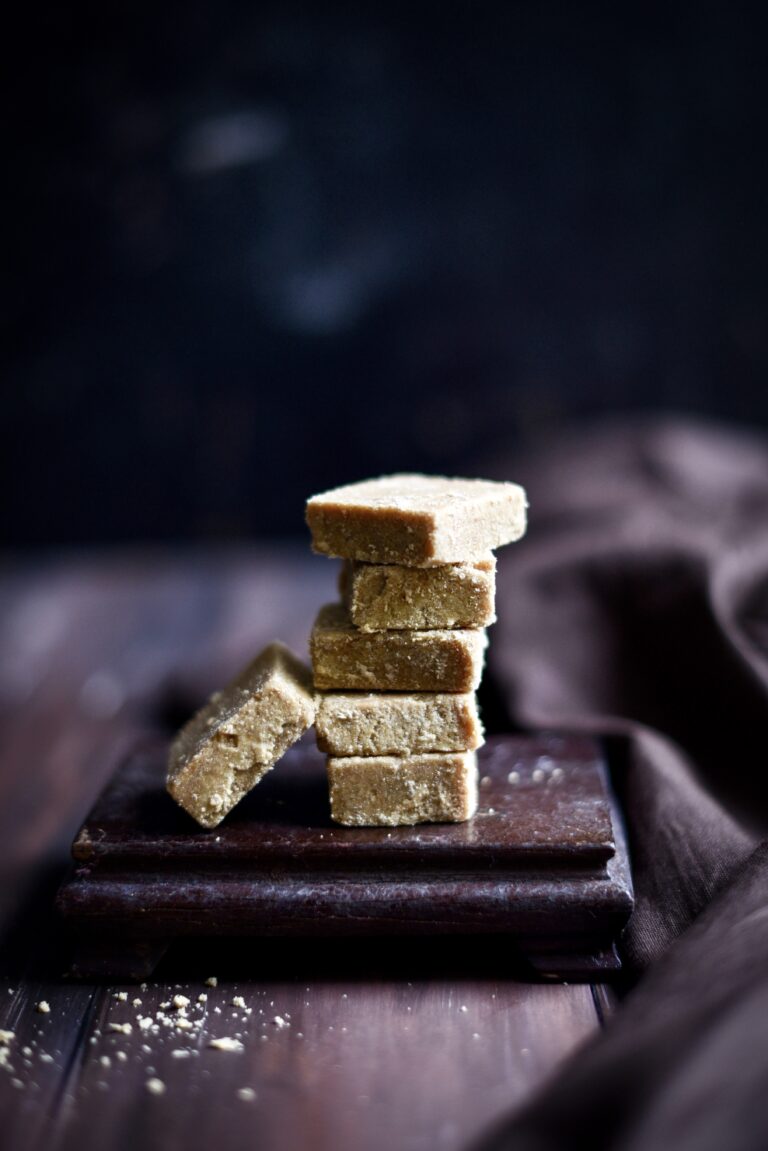
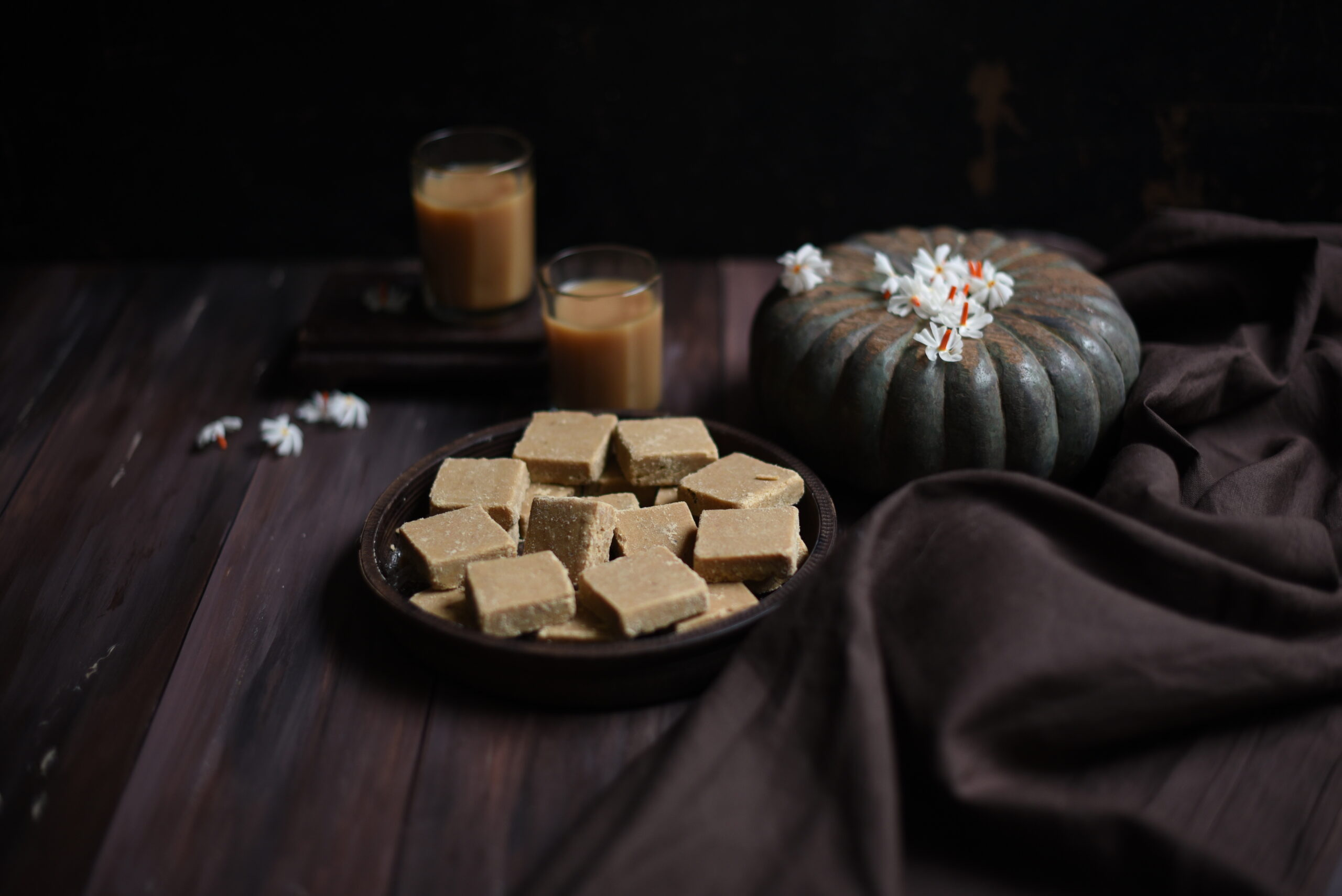
Whether you want to see these whole wheat jaggery squares as a religious offering or a treat for your sweet tooth is up to you. One thing is for certain: I hope they taste utterly divine.

Jaggery & Whole Wheat Squares

Yield: 10-15 pieces
Prep time: 20 minutes

1 cup whole wheat flour
½ cup clarified butter (ghee)
¾ cup jaggery
½ teaspoon ginger powder
2 tablespoons slivered almonds

Call them whole wheat jaggery squares, call them sukhudi or call them gol papdi – these sweets are very easy to make once you have the ingredients on hand.

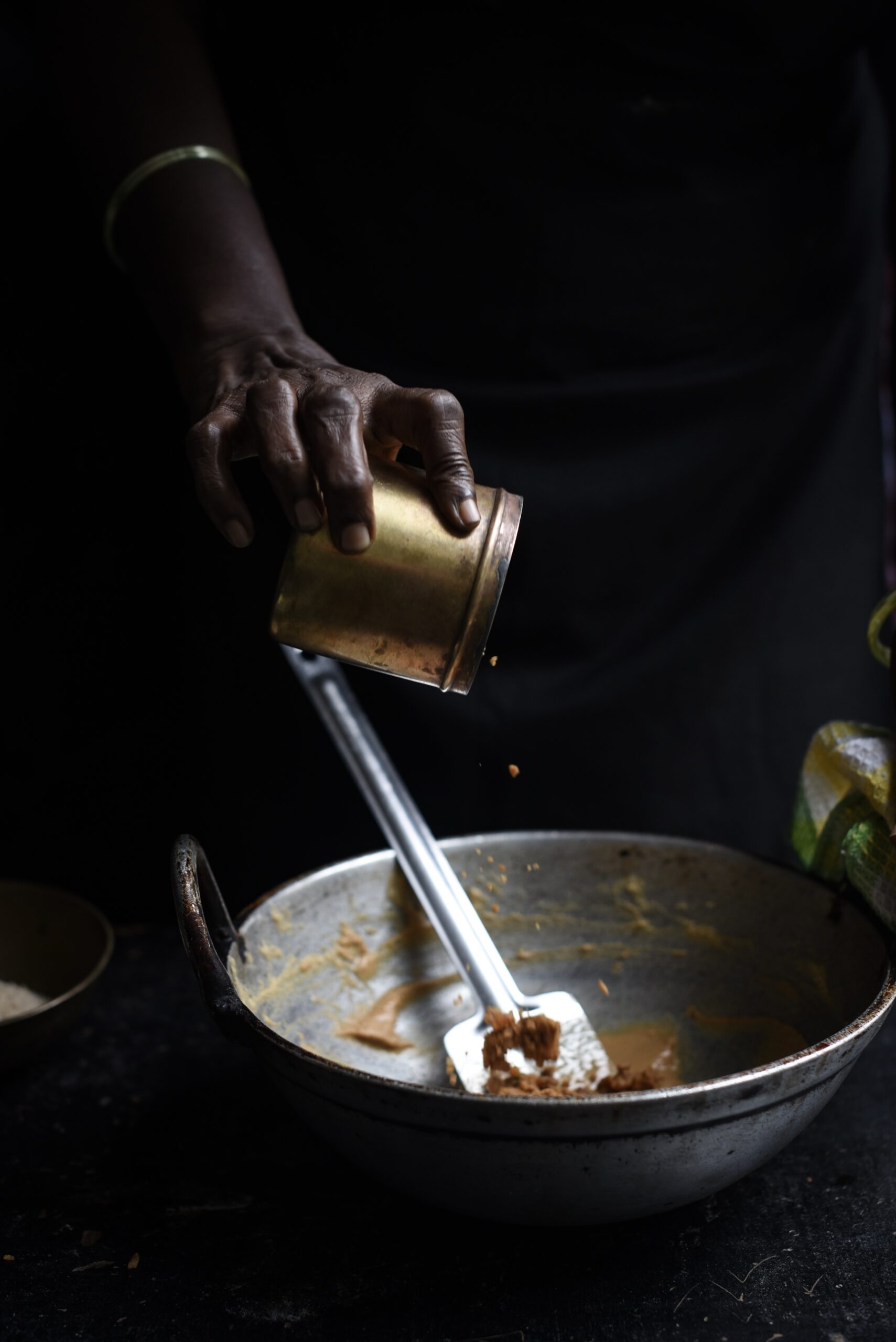
Grease a steel plate with some ghee and keep it aside. In a kadhai, or a wok-shaped pan, add ghee and allow it to melt. In a few seconds, add the whole wheat flour. With a spatula, stir and sauté until the mixture turns golden brown. This will take approximately 10-15 minutes on a medium to low flame. Remove from the stove and add the jaggery and ginger powder. As always, season to your taste – I even add cardamom, desiccated coconut, cinnamon or masala chai powder when I make this dish. Ginger in particular is something that is traditionally added during winters for its warming effect.

A word about jaggery: it varies in sweetness around the world, so you must gauge the correct amount to use when you make this dish. I had used a particularly sweet batch when I made this after talking to my aunt, and found it too cloying, then made it again to my taste. However, if you add too little jaggery, the mixture will not bind. As with any recipe, sometimes it takes more than one try to get it right.

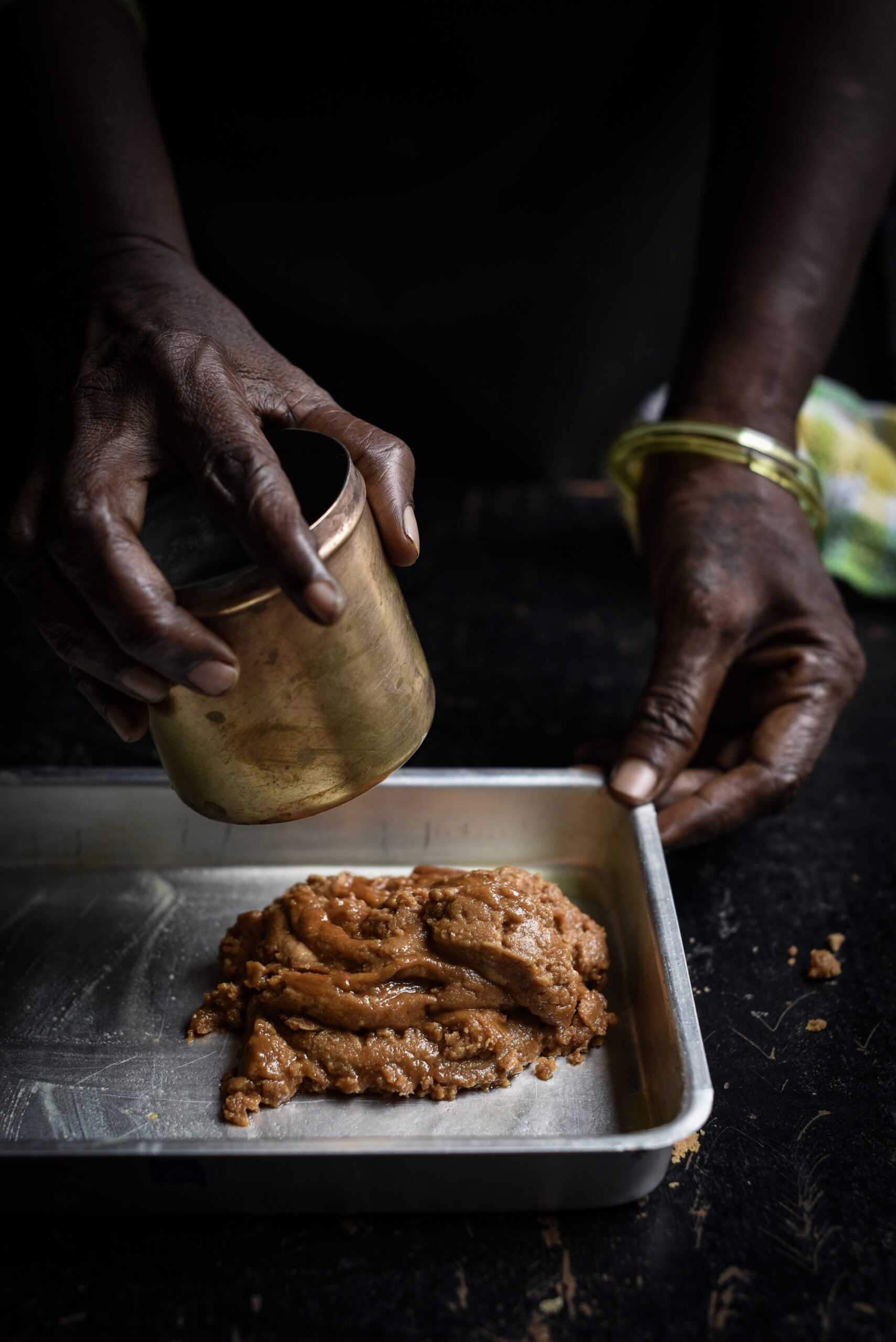
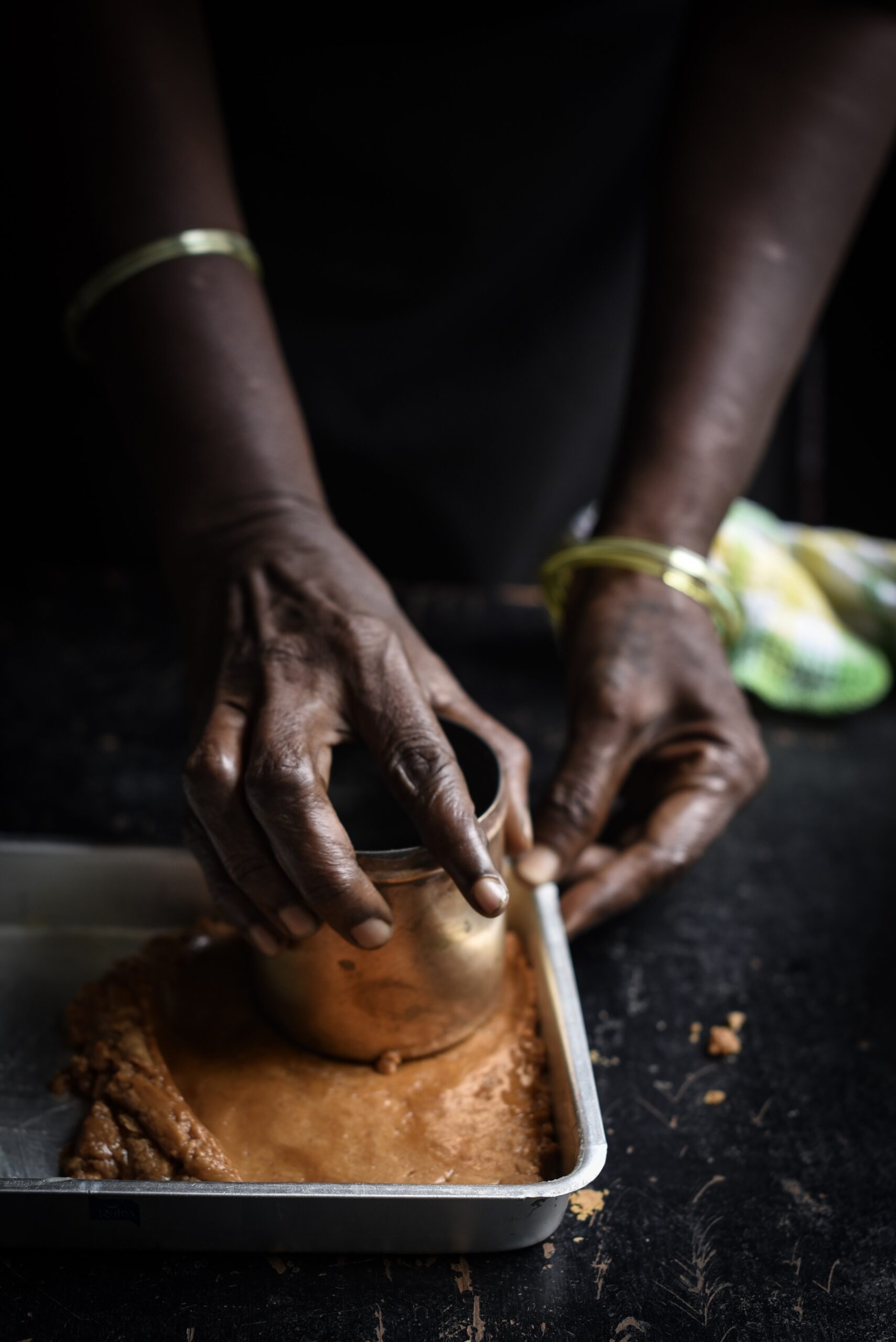
Mix well until the jaggery melts and the ginger powder or flavours of your choice are distributed evenly. While still hot, pour the mixture onto the greased plate and spread evenly. Flatten it with a cup so it evens out, and add the almond slivers on top quickly, before it begins to cool.

Then, cut into even squares and allow them to cool before transferring them to an air tight container.

These whole wheat and jaggery squares are so simple to make – all you really have to do is stir it well for it to cook properly. That’s probably why they were such a staple in my childhood, something my mom could whip up quickly and store for several days’ worth of after-school snacks. As they don’t spoil easily, gol papdi was also something we took with us when we travelled. Memories, love and a sense of security – they are contained in every bite of a cherished dish, aren’t they?

When I was a little girl, the month of Aadi in Chennai meant music being blared from temple speakers and a general atmosphere of colour and sound on the streets. Just like with the funeral processions full of flowers and drumming, I thought all of it was pure celebration. Now, as an adult, I appreciate the nuances, but there is still something about this month that catches my eye – and more accurately, my sense of smell. For temples small and large through the city make ritual offerings to the Goddess, which are then distributed to all. The scent of freshly made koozh (pronounced koo-lu), a millet-based porridge, fills the air along with devotional songs.

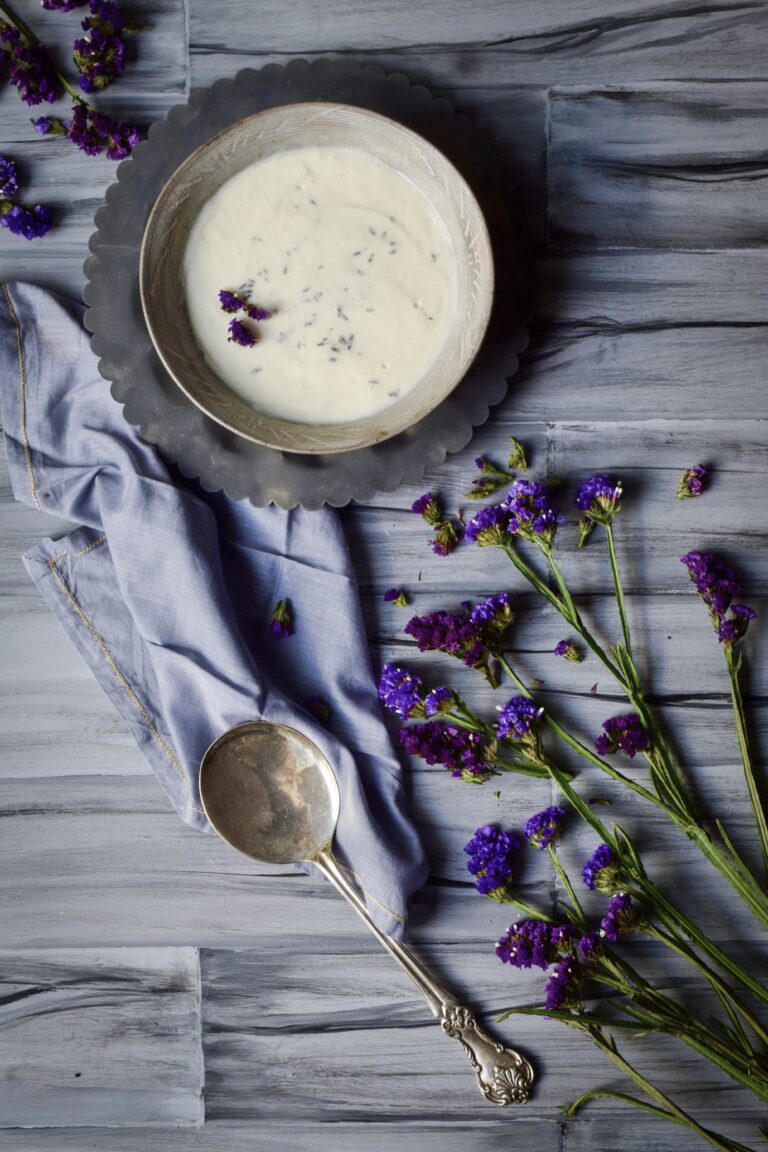
Being born and brought up in Chennai into a traditional Gujarati home has given me a more expansive way of thinking, which is what opens one’s mind to explore. There are times when I think in Tamil while I’m cooking Gujarati food! Even as the world becomes a smaller place, I love keeping local culinary customs alive – but every once in a while, my imagination will take me on an adventure in the kitchen. So it was while making shrikhand one day, a sweetened Gujarati dish made of hung curd. I’d played with various Indian flavours for shrikhand before, including mango and an almond-saffron blend. But I had just met with a friend, Siddharth Murthy, who has an organic lavender farm outside Melbourne in Australia, and he had gifted me one of my favourite foreign ingredients. Next to rose, lavender is the scent I enjoy adding most to my cakes. I wondered: how would my family like to end a meal on lavender shrikhand?

When I was a girl, the full moon known as Sharad Purnima, marking the end of the monsoon, was a special occasion among a group of close family friends, who would enjoy the evening by the beach. The parents would chat as the kids played in the sand on Marina Beach, which was then pristine and beautiful! These outings were special as they created a special bond within the Gujarati community in Chennai.

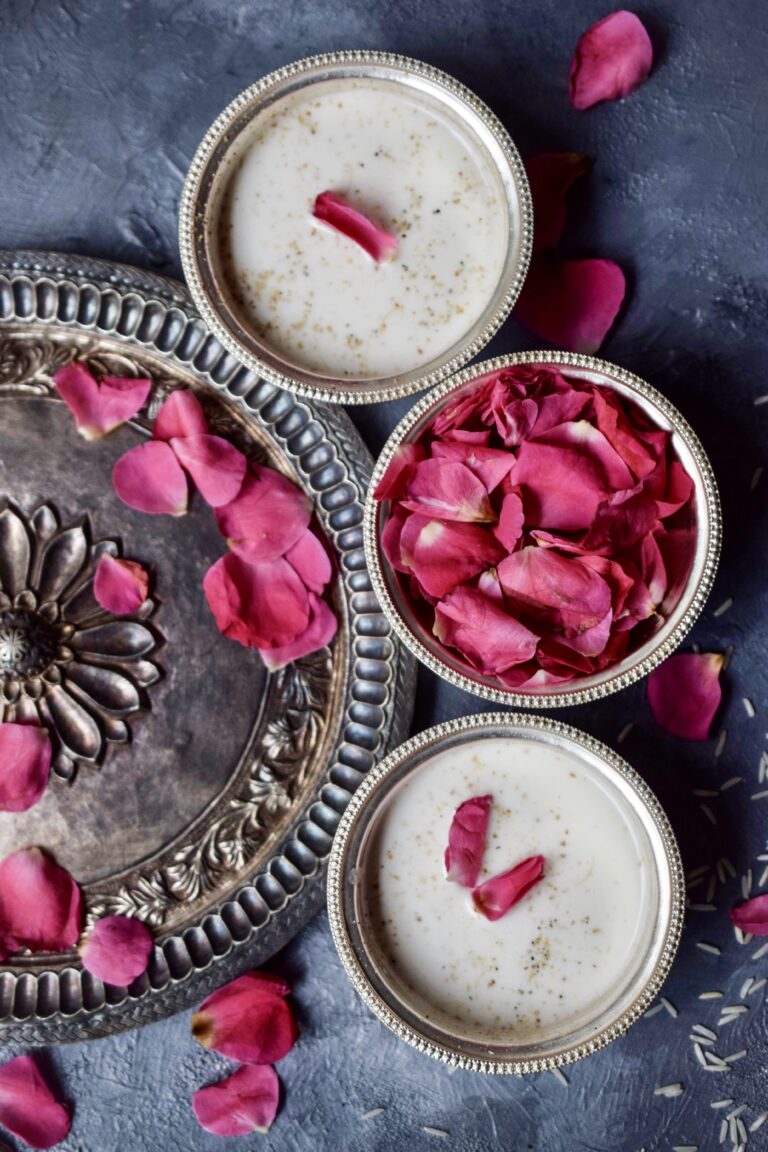
So my earliest memories of kheer are to do with these nights, when my mother always carried her dudh-poha (beaten rice) variation, soaked soft in milk. Dudh-poha kheer is a customary Sharad Purnima dessert. There was such simplicity in that dish, yet how fantastic it tasted! Even now, it takes me back to those nights. I distinctly remember the almost silver sands and the beautiful moon reflecting upon the sea, and how we kids ran about and were warned not to go into the sea to wet our feet, for the waters were choppy and full moons always cause higher tides. We marvelled at the waves from a distance, all the while waiting to be called to have our cup of kheer. I remember the excitement of waiting the entire week for this outing as my mother called the other aunties to make the plan.

Kheer is basically an Indian rice pudding, with variations across the subcontinent. In South India, it is known as payasam, and is made using a number of different recipes with ingredients as wide-ranging as jaggery, vermicelli, sago, coconut, carrot, ghee and jackfruit. A Hyderabadi version even uses bottle gourd. A sweetened, spiced North Indian version rich with nuts, enhanced with rose water, is known as rabri.

Significantly, the old and infallible combination of milk and rice has traditionally been used as a ritual offering in Hindu customs. The practice is that food both cooked and uncooked is served to the Gods, thereby rendering it holy. It is then distributed to all present as blessed food, and is known as prasad or prasadam.

Kheer is so simple, yet profound, which is why it is so popular both as a prasad and as a regular treat: rice contains life within itself, while cow milk is considered sacred. Sugar, of course, is what turns many a dish into a dessert.

My mother’s kheer was sheer simplicity, but also sheer perfection: poha, milk and sugar with a pinch of cardamom. The one I will pass on to my children, and which I am so delighted to share with you, is almost as simple – but with that signature re:store touch.

Rose-Coconut Kheer

(Yield: 8-10 cups)

½ cup basmati

4 cups whole milk

¾ cups sugar

1 cup freshly squeezed coconut milk

2 tablespoon coconut shavings

½ teaspoon cardamom powder

2 tablespoons rose water


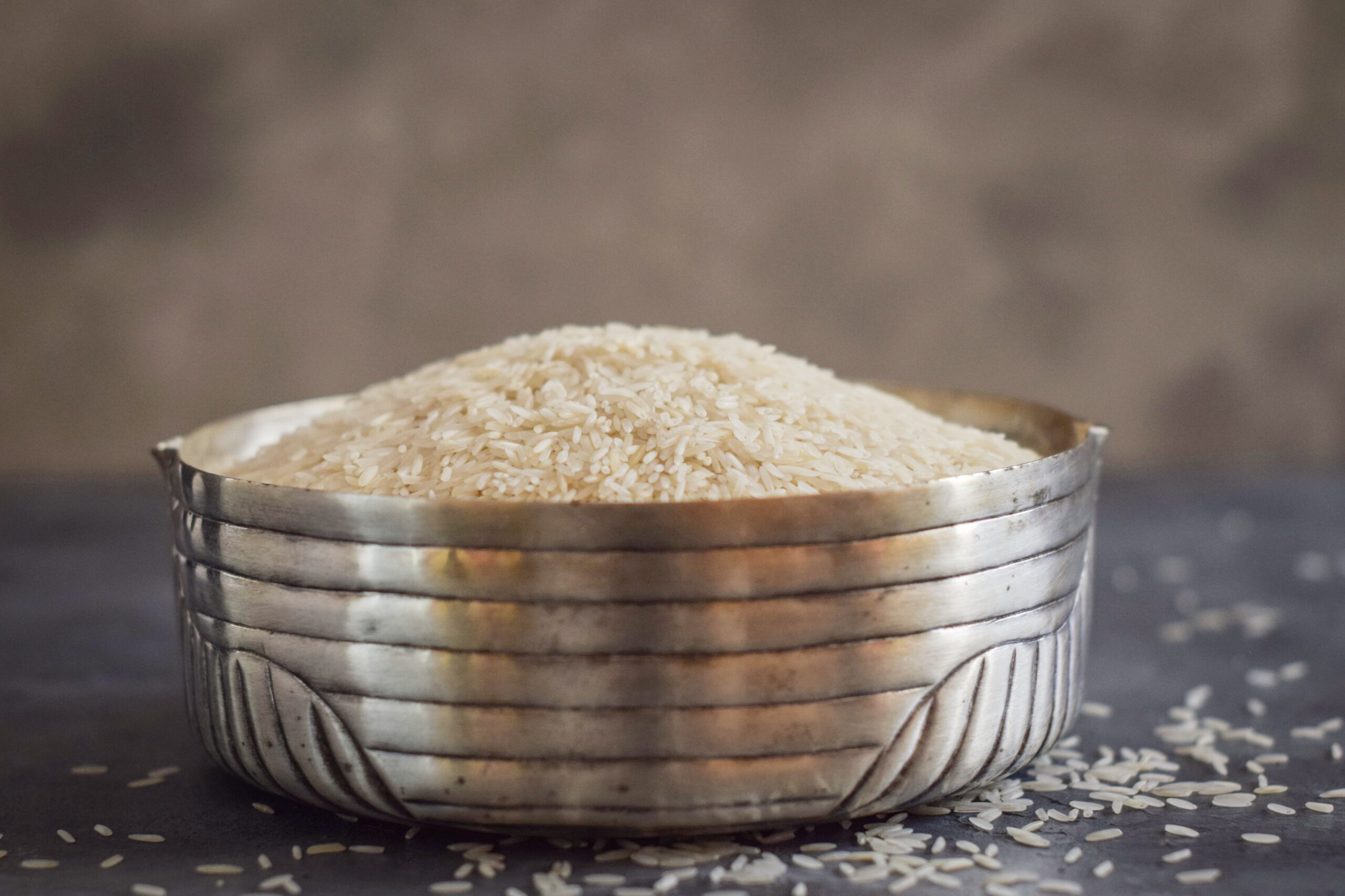
Basmati rice is the long-grained aromatic variety commonly used in biryanis and pulaos. Soak the basmati in water for half an hour. This will help the grain cook faster.

In a heavy-bottomed pan, add the milk. Once it is warm, add the soaked rice. On a low flame, allow the rice to cook thoroughly, stirring frequently to ensure it doesn’t stick to the bottom of the pan. This will take approximately 45 minutes.

Now add the sugar, then allow it to cook a little more. Let the rice mixture cool slightly, then very gently hand blend it. Cover the saucepan and allow the mixture to cool to room temperature, then refrigerate.

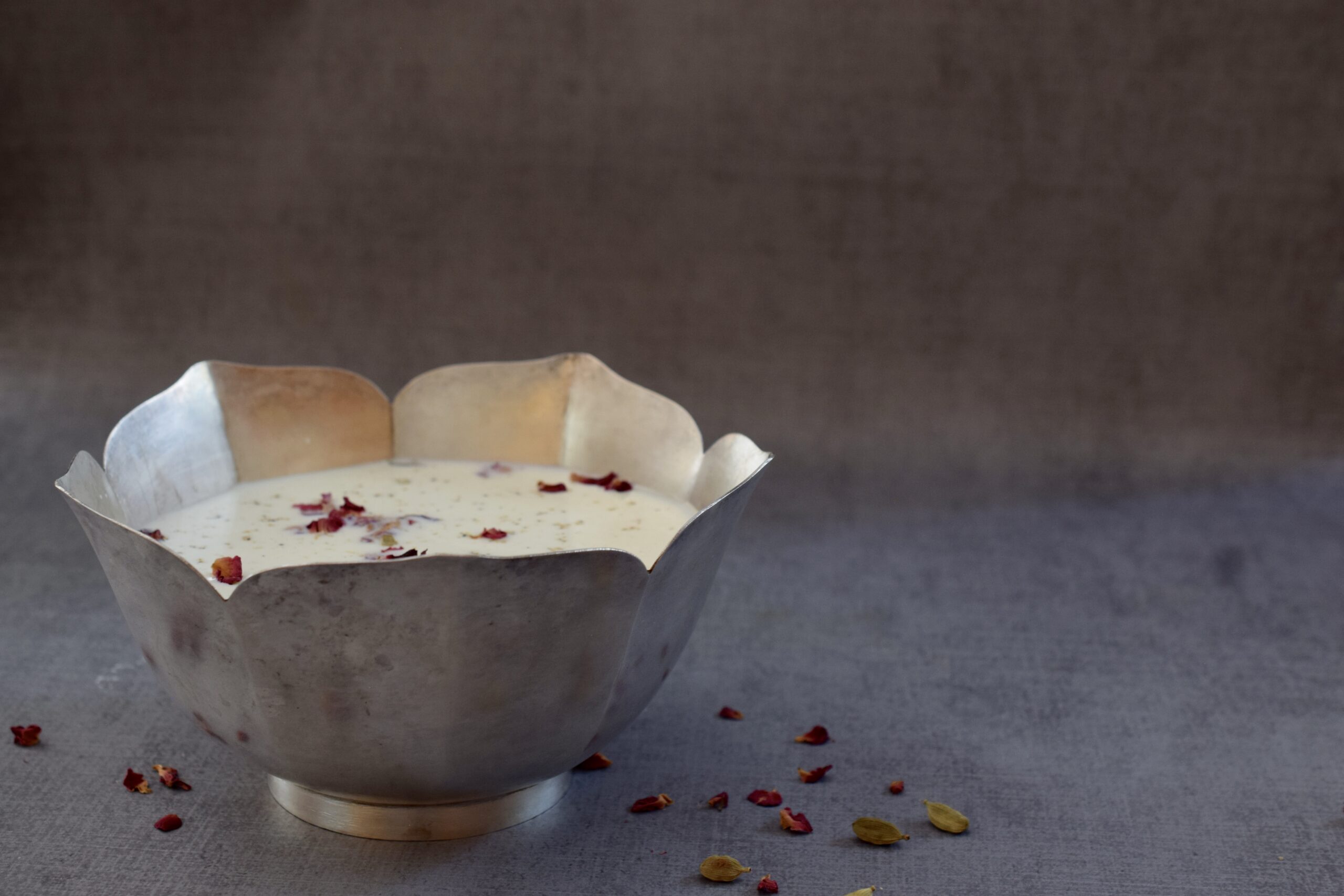
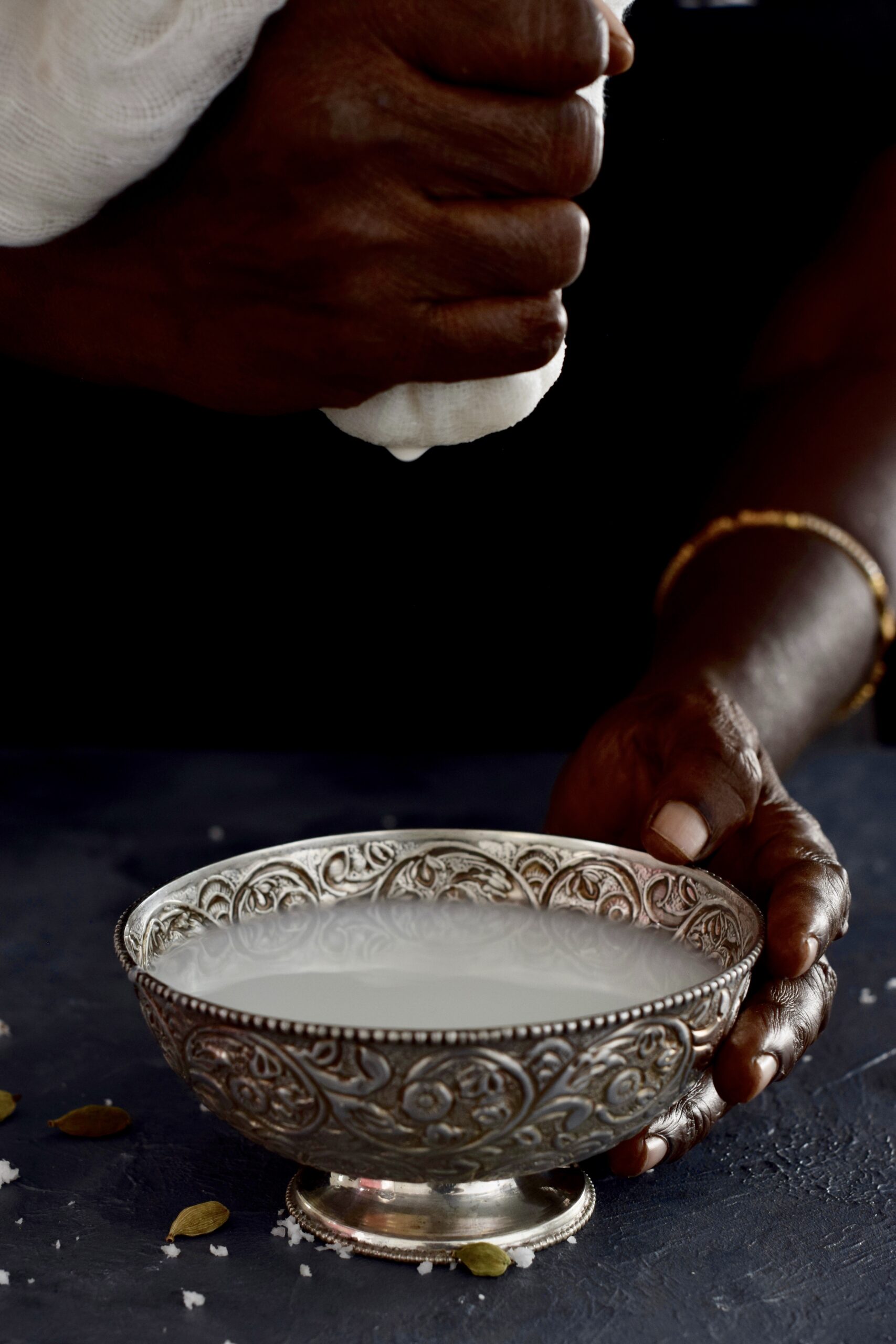
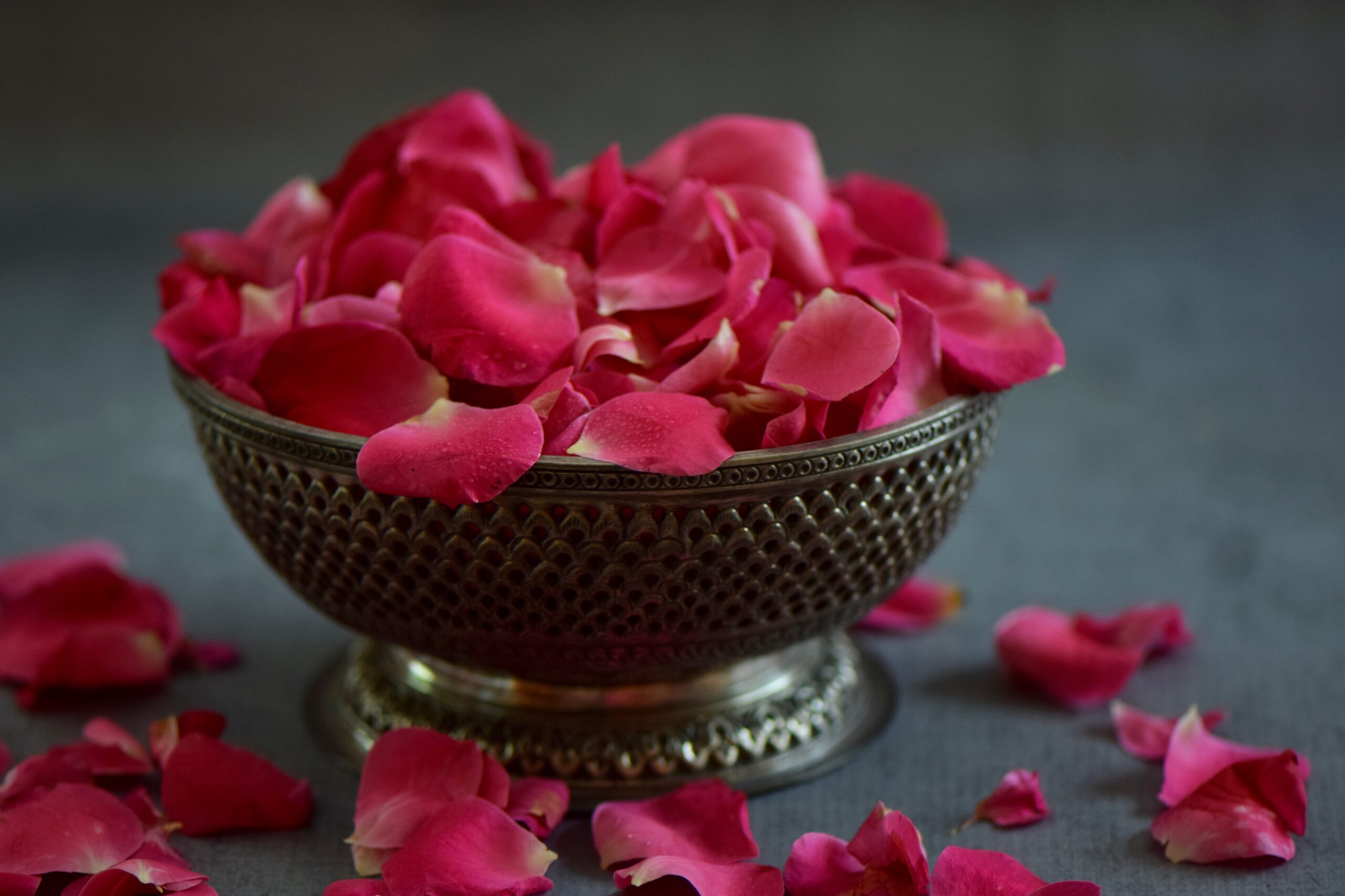
When the kheer has cooled and thickened, add the coconut milk to your desired consistency. Add the shaven coconut, rose water and half the cardamom powder and stir so that the flavours are well-blended. Rose water is a signature ingredient in many of my cakes at re:store, because the scent reminds me of one of my favourite flowers. Known in South India as the paneer roja, the damask rose inspires many of my innovations in the kitchen. The Mughals brought roses to India, as seen in the Shalimar gardens. They were distilled as much for their fragrance as for their usage in culinary delights like syrups and sweetmeats.

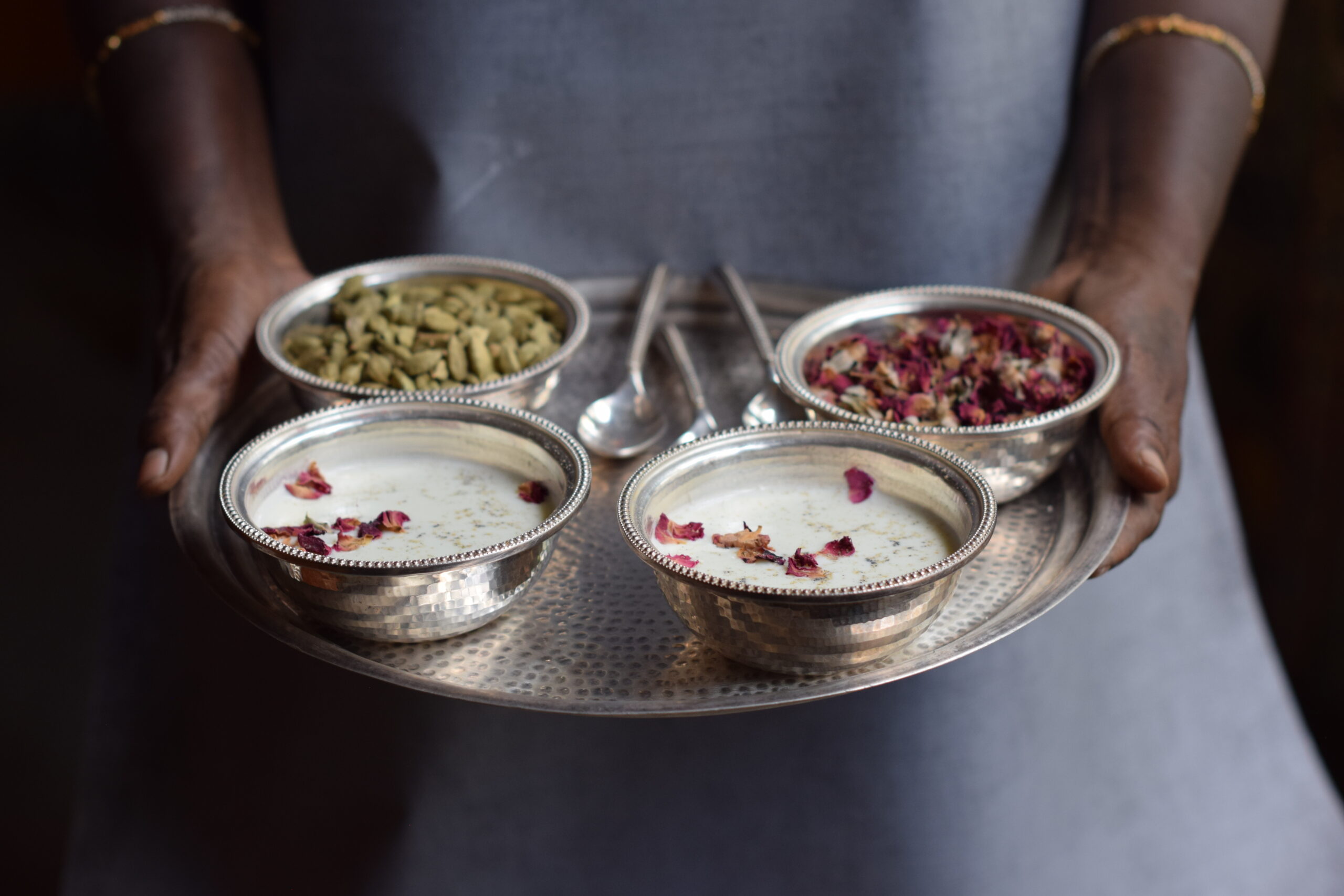
Cover and refrigerate until serving. When you are ready to serve this dessert, you may wish to add more coconut milk. Don’t forget to sprinkle the remaining cardamom powder to decorate.

Nostalgia is what makes our food special. Each family recipe is special only to them because it is intertwined with memories. Memories and love: the two main ingredients of any recipe. Today, my best dishes are those that my mother taught me and some that I learnt from my mother-in-law. Some day I will pass these on, too – along with my own innovations. I have made several promises to visit my children when they have their own families to go cook for them. It’s funny how when I cook, my children relish the dishes and claim they are “finger-licking good”. But when our cook makes the same dishes, they are simply edible or enjoyable. So much of taste is through what is evoked emotionally. So whenever you try a new recipe in your kitchen, remember that it is going to become a mnemonic too. Fill it with love.

As I write this, the month of Ramadan is coming to a close. All over the world, sweets are an integral part of the iftar customs when the day’s fast is broken at dusk. In India, iftar meals are almost always accompanied by kheer. At sundown, after the fast-breaking prayers, people step out to enjoy the breeze and socialise, visiting sweetmeat shops to enjoy their favourite Ramadan delights. Street food also becomes very exciting at this time, and the air is thick with the smells of delicious treats and an ambience of love and celebration. I love the idea that kheer is being enjoyed all over the country today – and perhaps in your home too, wherever you are in the world. Don’t forget to drop a line if you enjoy this recipe!