Tag

healthy

Browsing

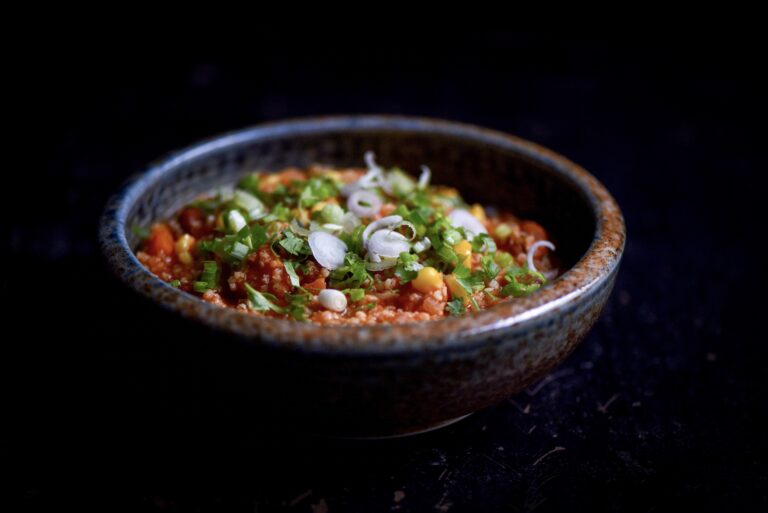
Once upon a time, before I decided to turn completely vegetarian again, I used to enjoy the very occasional meat dish. And more often than not, the particular dish that would kickstart my cravings was the chili bowl I discovered in L.A. some decades ago while pregnant. A rich, spicy stew with Tex-Mex origins, it’s a quintessential part of the cuisine of the southern American border regions – and something which reminded me of Indian food whenever I was homesick or longing for comfort food while travelling in the States.

Chili is a meal-in-a-bowl, although you can eat it with tortillas, rice, nachos, fries or other accompaniments if you like. Did you know that the Nahuatl (indigenous Mexican) word chīlli is what gives the chilli pepper its English name too? The dish too takes its name from this most vital ingredient. If you’re interested in a history of the dish, do read this comprehensive article with various legends and records.

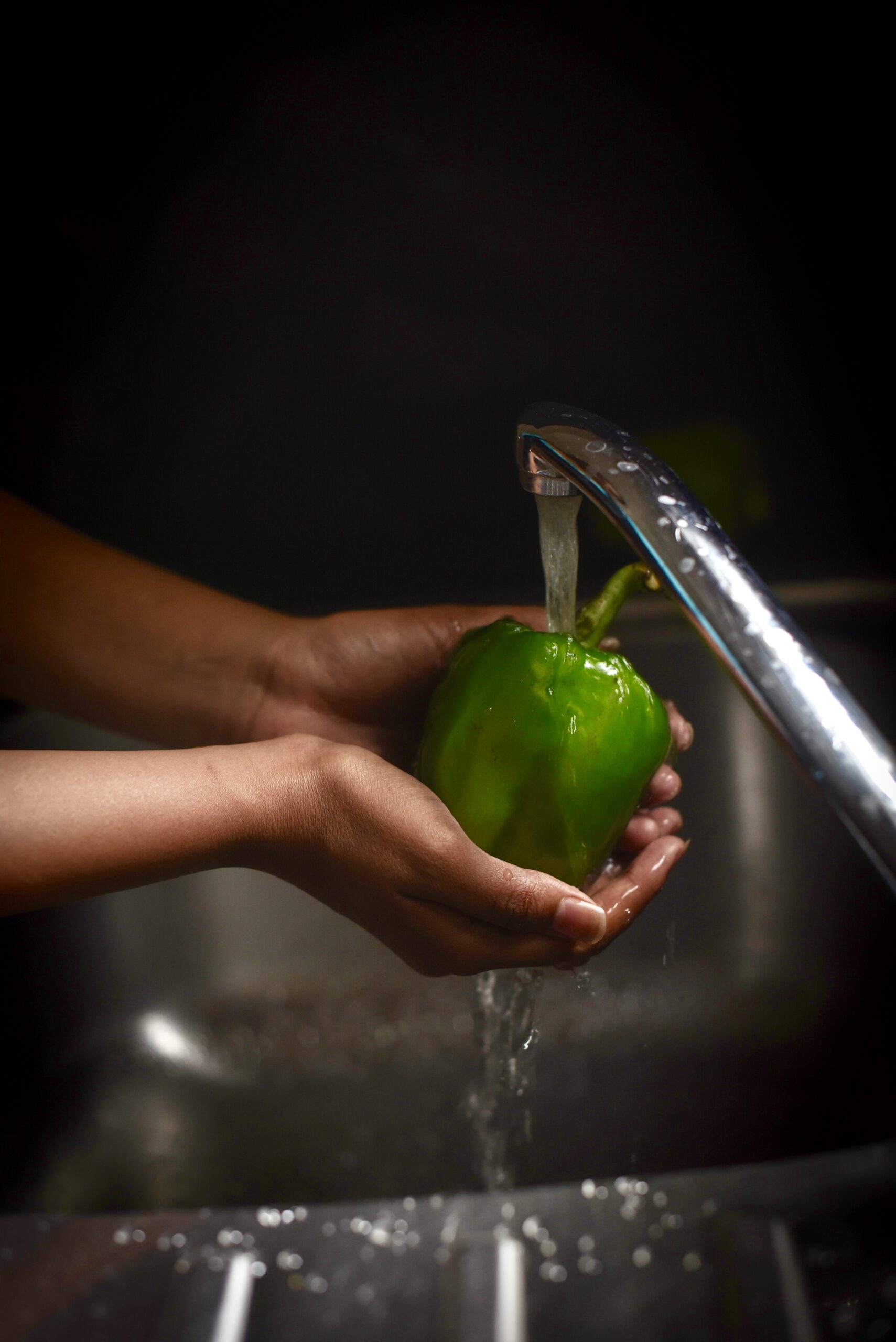
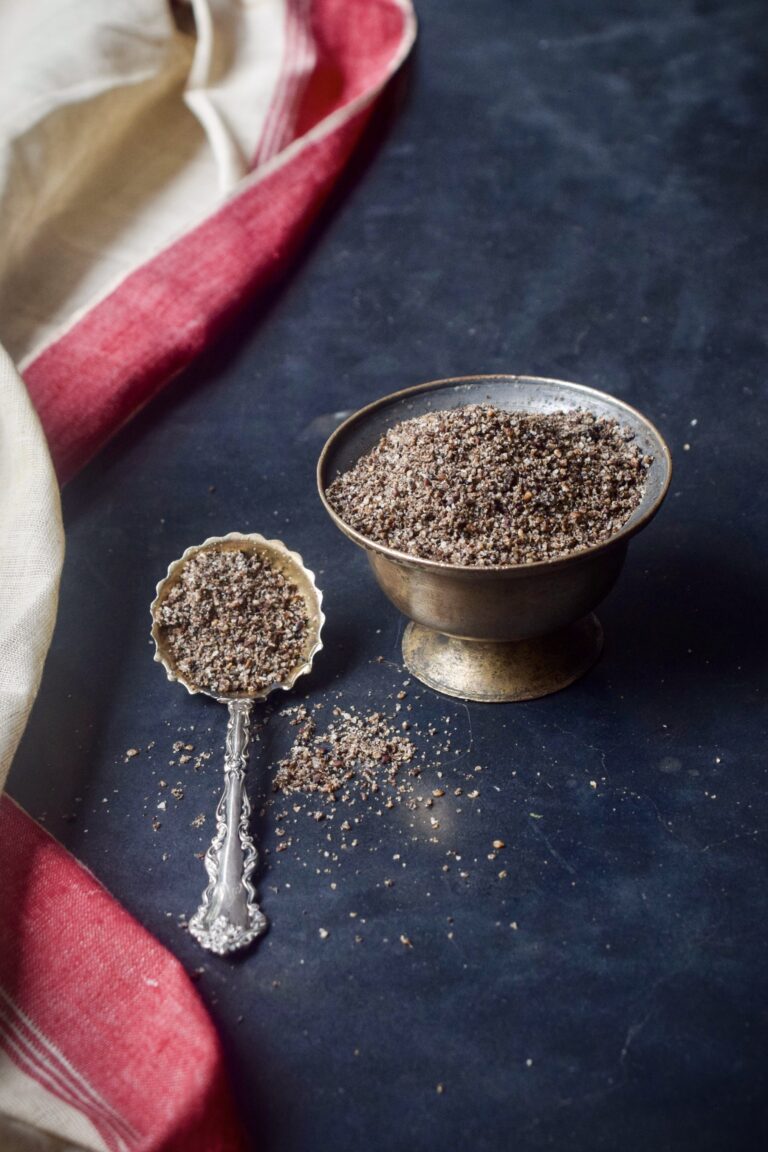
Chilli fruits – yes, fruits! – were cultivated in ancient Mexico, and were introduced to the rest of the world through European colonists and traders. Then, based on different climactic conditions, certain places grew famous for particular cultivars: e.g. bhut jolokia (or “ghost peppers”) in India and Malawian kambuzi. In fact, the chilli powder I use to make my chili (yup, the spelling of the two words is close but not exact!) is a ground Hungarian spice known as paprika, made of sweet bell peppers and occasionally cayenne peppers. Each cultivar varies in pungency and intensity, and chillies are eaten in red, green, dried or capsicum/pepper variants. I also use capsicums in this dish.

The festive season has found me inundated with cupcake orders. Despite seeing so many in my kitchen every day now, I haven’t grown tired of stealing one now and again – all under the claim of checking the sugar level of course! Between some recent travel abroad and the sugar buzz around me now, I’ve missed the flavours and smells of Indian spices. Inspired equally by the memory of those long-ago chili bowls and my ongoing delving into the super-foods and smart-foods in our own Indian fields and forests, I decided to make a vegan millet-based chili. I tried and tested this recipe a few times before perfecting it. Fusion food can sometimes be a blunder, and sometimes be a wonder. I’d love to know what you think of this!


Vegan Chili Bowl

Ingredients:

1 tablespoon oil

1 teaspoon cumin

¾ cup carrots (chopped)

½ cup rajma/kidney beans (soaked)

½ cup onions (finely chopped)

½ cup capsicum (finely chopped)

½ cup green beans (finely chopped)

2 medium size tomatoes blended into a puree (approximately 1 cup)

3 pods garlic (grated)

1 piece ginger (grated)

¾ cup kodo millet

½ cup corn niblets and/or peas

Salt

Paprika

1 tablespoon lemon juice

4 cups of hot water
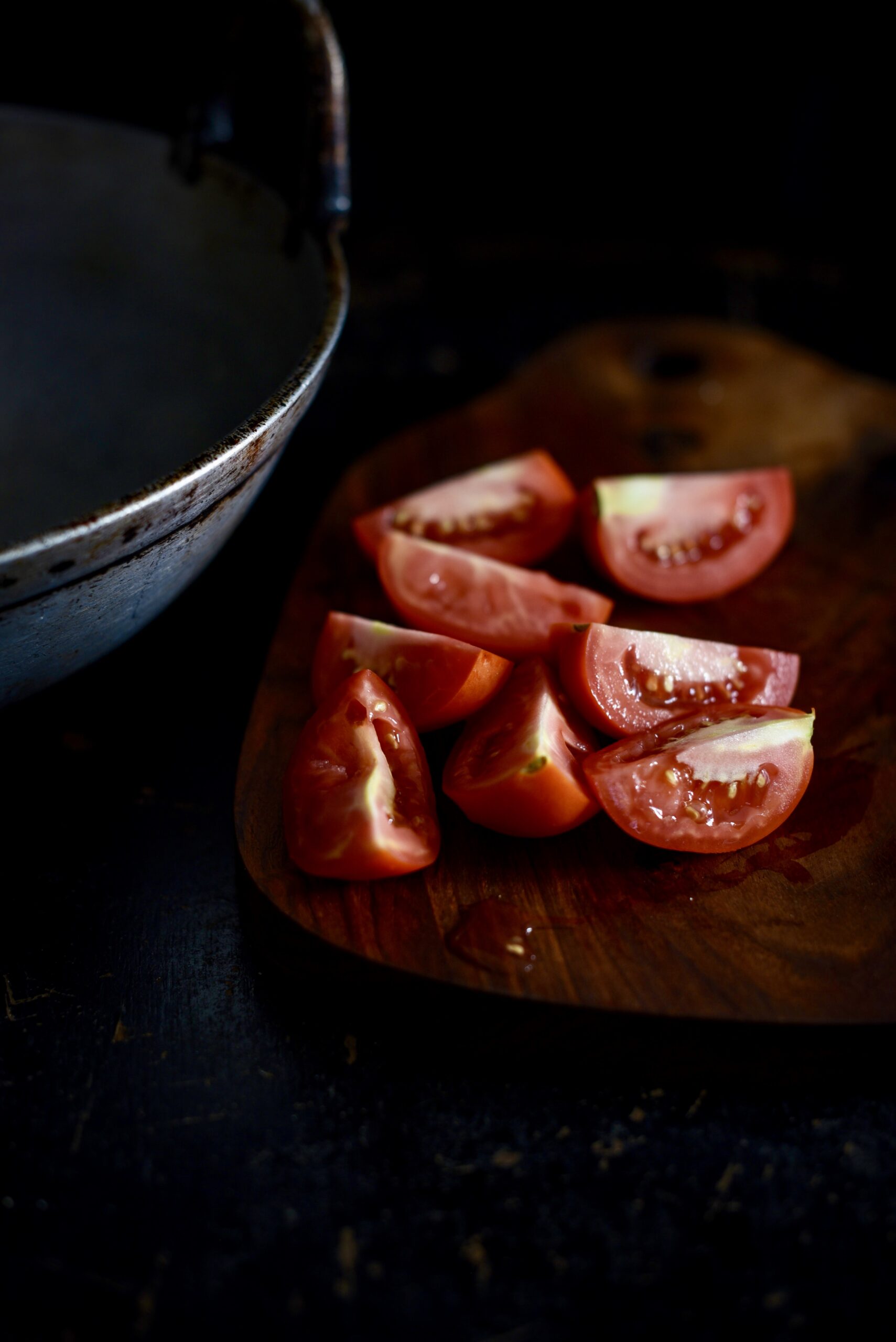
Chili may be Tex-Mex in origin, but the ingredients of my Vegan Chili Bowl are all easily available and highly affordable in India and elsewhere.

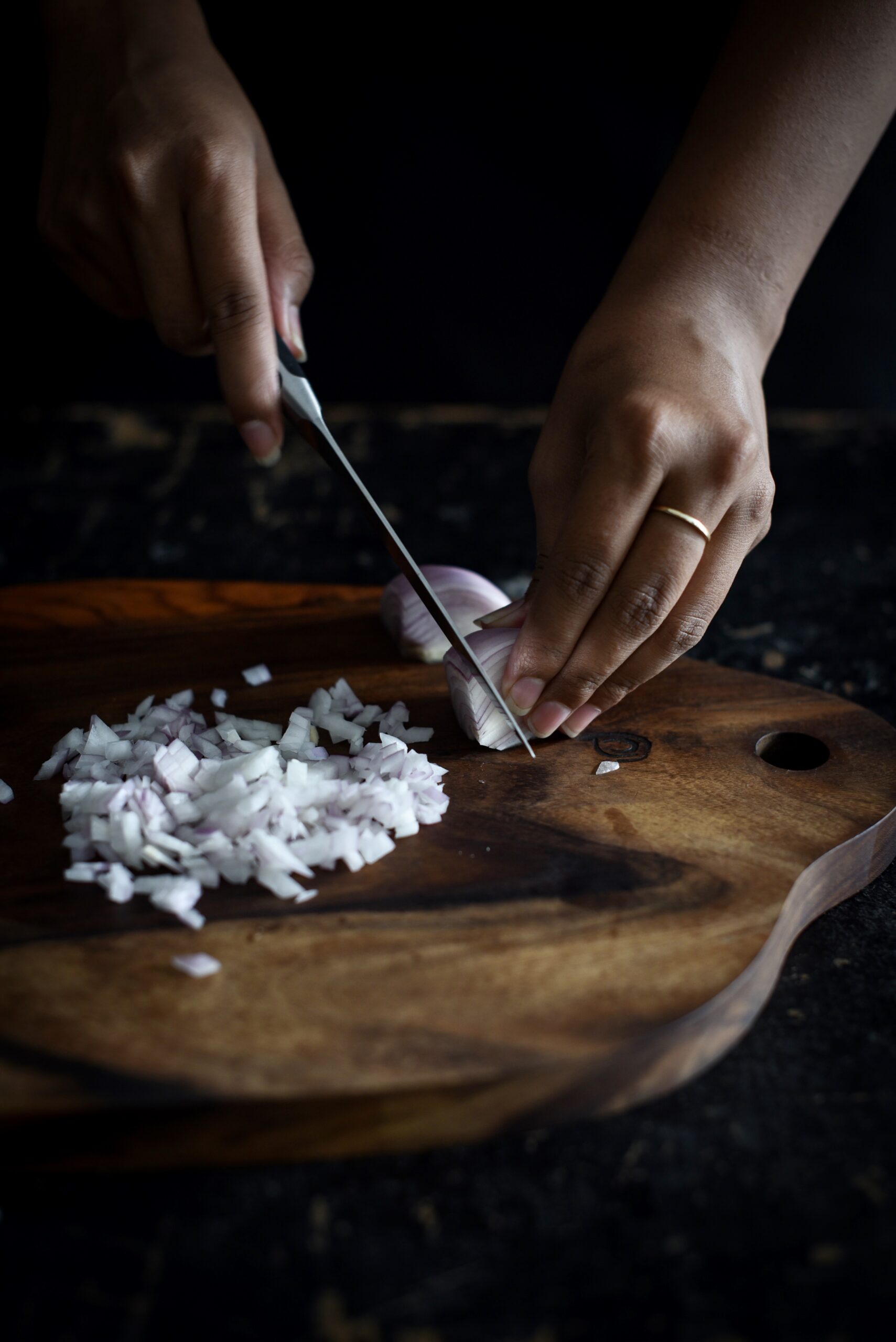
Take a pot and add oil to it. Once it is hot, add the cumin, followed by the grated garlic, ginger and onions. Sauté till golden brown.

Boil the green beans, peas and carrots and strain these. Keep the water aside.

Kidney beans take longer to cook so pressure cook or par-boil them before adding them to the pot. You may substitute the kidney beans for a lentil of your choice. Please note cooking time will differ based on which ingredient you use.

Add all the cooked vegetables to the onions along with the tomato puree, corn, capsicum (I used green capsicum, but you can use yellow or red too), millets, paprika and salt.

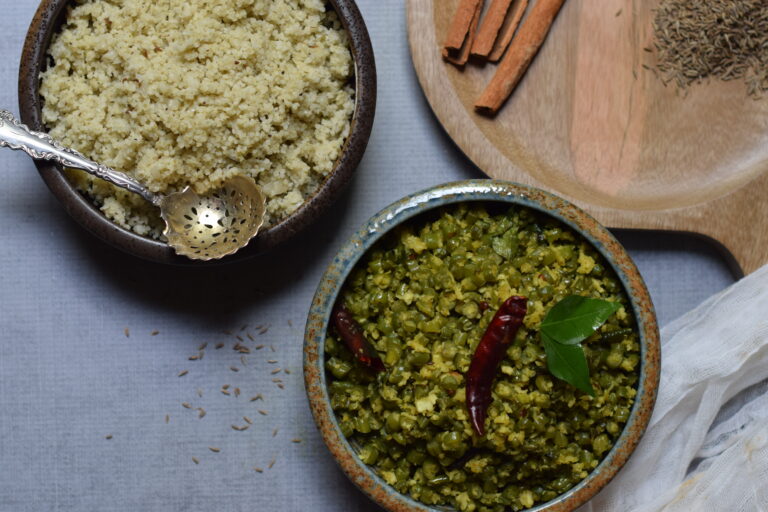
Now, add the strained water (approximately one cup) and the cooking water to the above ingredients. Cover with a lid and lower the flame. Allow this to cook for 20-25 minutes, stirring occasionally. I have used kodo millets, known in Tamil as varagu, which like all local millets has an extensive range of health benefits when eaten regularly. You can just as well substitute this with broken rice or wheat if you have them on hand, if you prefer. However, the cooking time will depend on the grain you’ve used.

Also remember that you can add all sorts of leftover vegetables to this chili – don’t feel restricted by the list I’ve suggested. They will only enhance the flavour and health quotient.

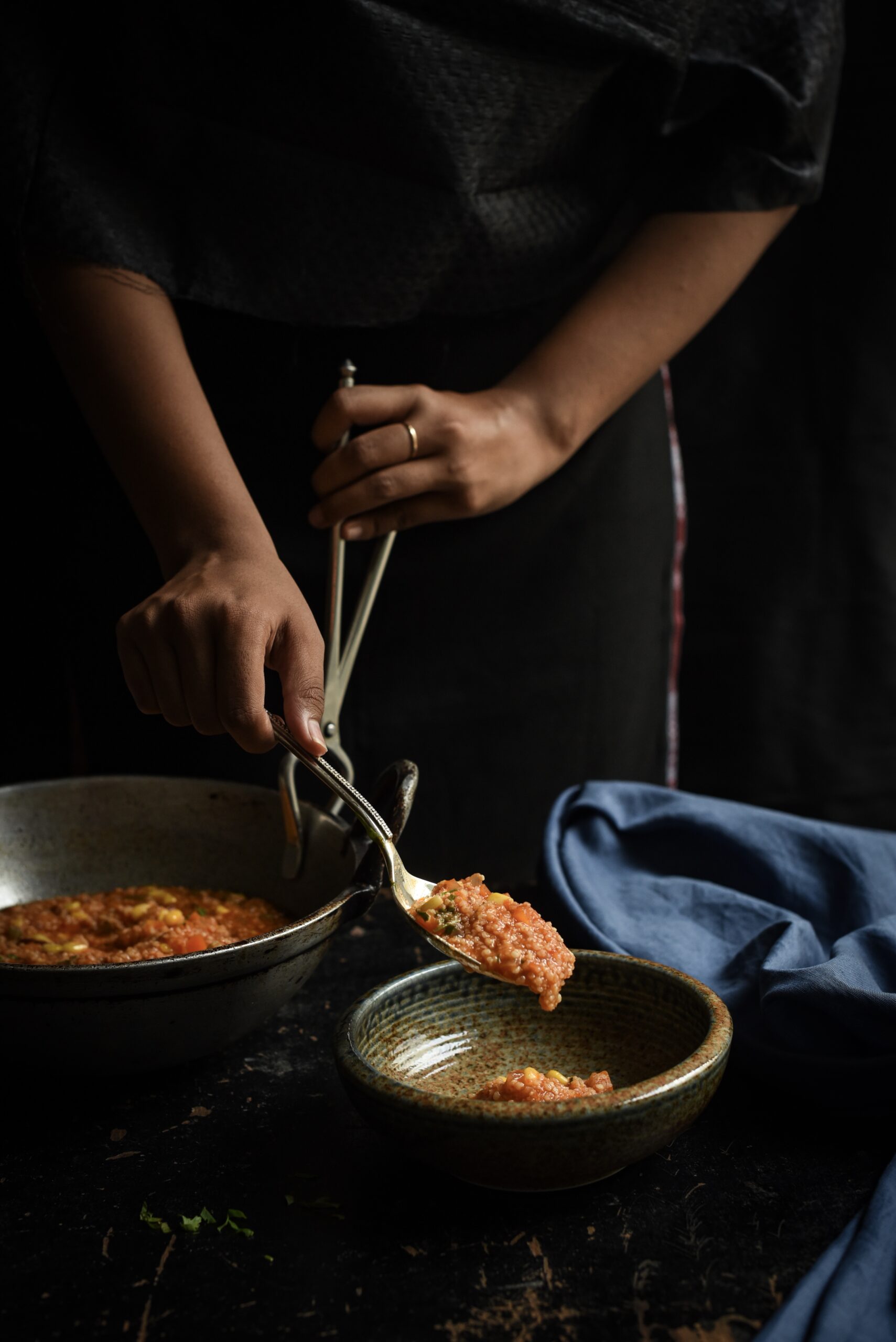
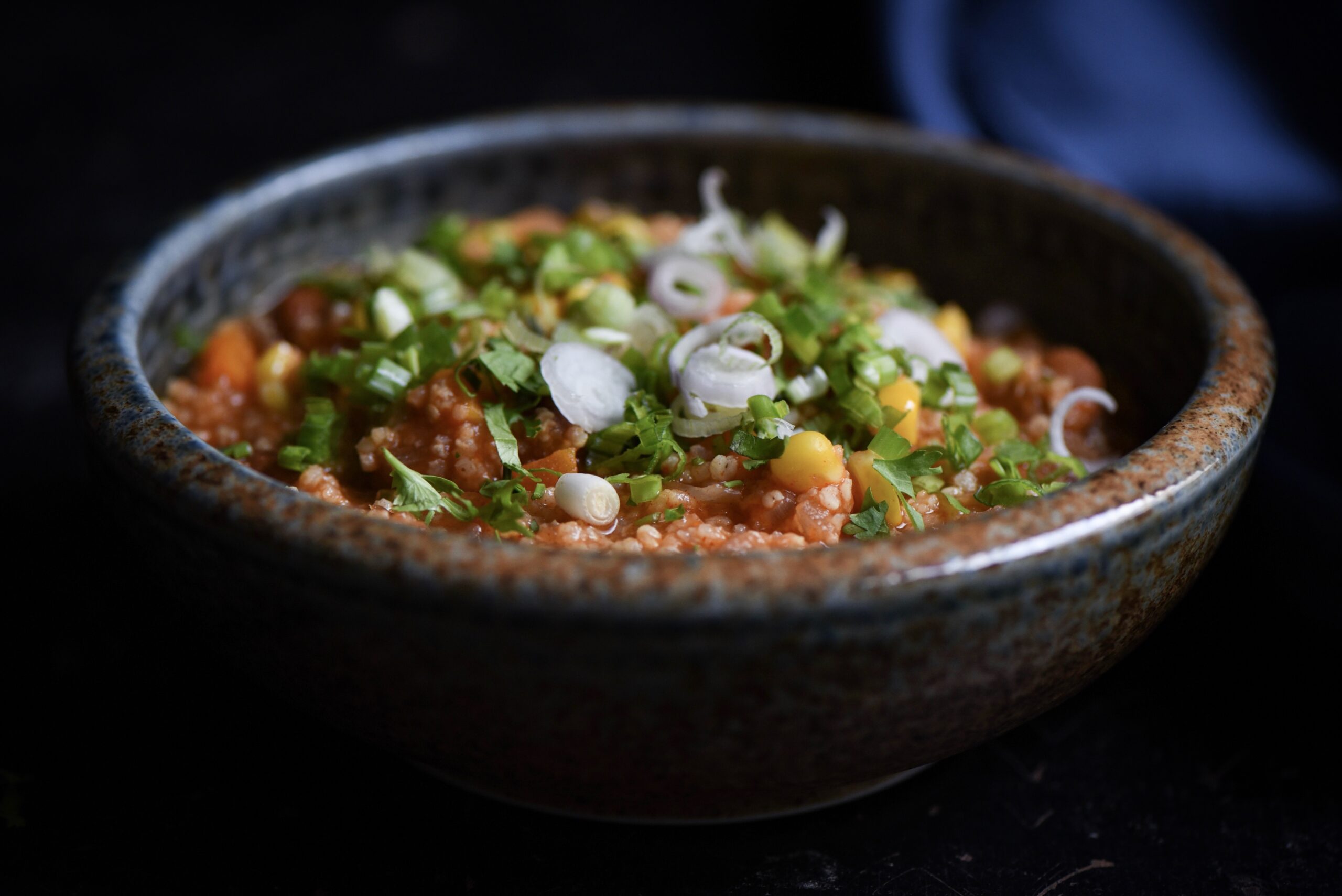
Once the grains are cooked well and tender, add the lemon juice and stir. Then, transfer the hot chili to small bowls and serve with some freshly chopped coriander leaves, fine slices of spring onions and other garnishings like roasted garlic or a handful of nuts. Chili is best eaten warm and fresh.
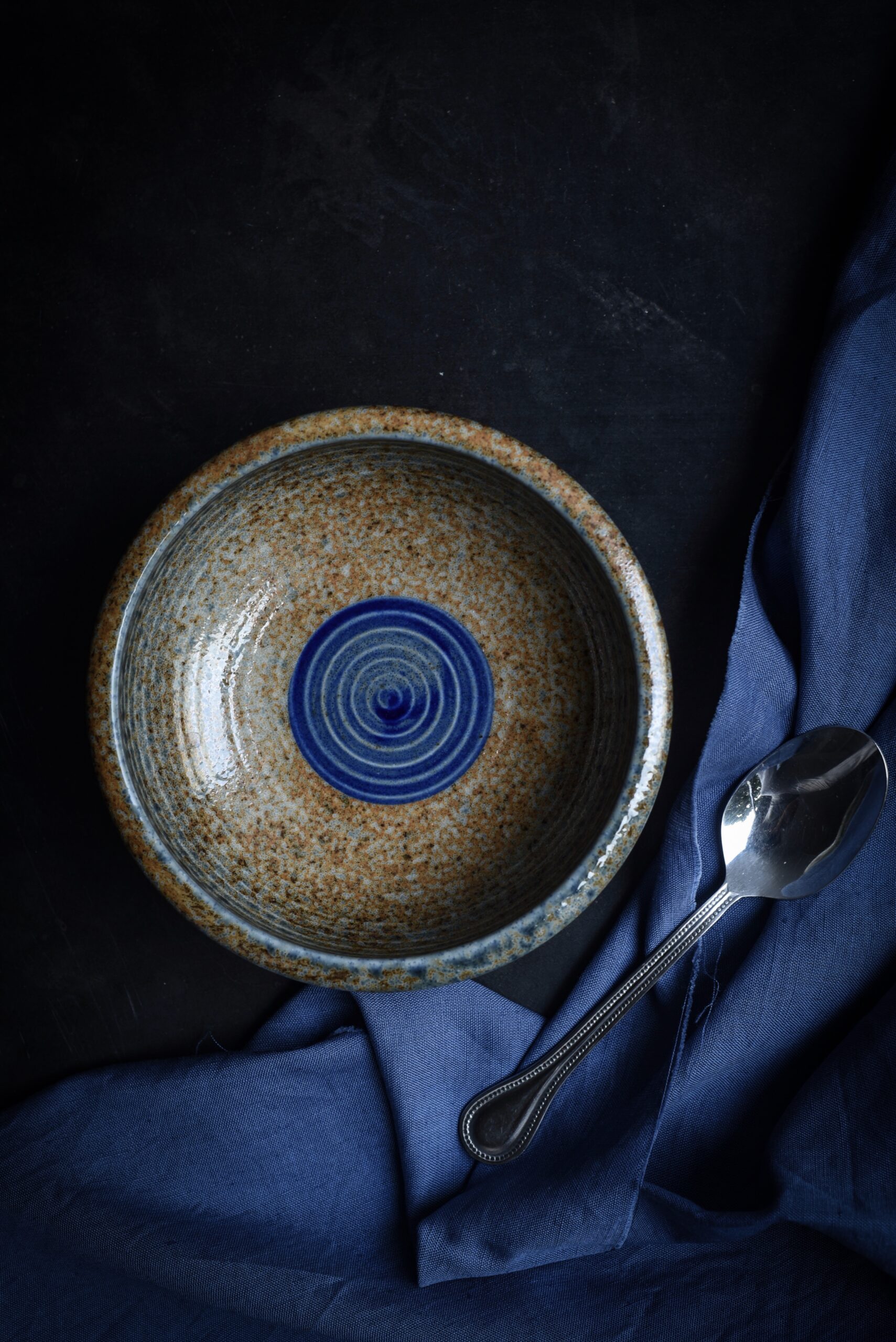
I love collecting beautiful crockery, and considering that this is a meal-in-a-bowl, I always take a little extra moment to choose the bowl itself well. When I made this the other day, I chose this pretty one with concentric blue circles on the bottom. It’s always a compliment to the cook when something is relished to the very last spoonful, and a nice design on the tableware is revealed.

As more people explore healthy or ethical dining options like turning vegan, our kitchen repertoires should also expand beyond serving and eating obvious items. This Vegan Chili Bowl is just the kind of unexpected dish that will make a vegan guest feel welcomed by your thoughtfulness. They are sure to enjoy it far more than picking at an ordinary salad or an unimaginative dressed-down version of the main course. The best part is that as it is a meal-in-a-bowl, you can be assured that they will be fully satisfied.
When I was a little girl, the month of Aadi in Chennai meant music being blared from temple speakers and a general atmosphere of colour and sound on the streets. Just like with the funeral processions full of flowers and drumming, I thought all of it was pure celebration. Now, as an adult, I appreciate the nuances, but there is still something about this month that catches my eye – and more accurately, my sense of smell. For temples small and large through the city make ritual offerings to the Goddess, which are then distributed to all. The scent of freshly made koozh (pronounced koo-lu), a millet-based porridge, fills the air along with devotional songs.

There I was in the freezing cold of the Berkshire mountains in Massachusetts, USA, telling my friends and family back home that I was finally about to do for fun what I didn’t enjoy doing in school – study! I had given myself the gift of learning: specifically, the subject of Macrobiotics, a system of mindful cooking and eating. My classes at the Kushi Institute often took place in the snowy winters, and even from indoors the beauty of my surroundings inspired me every day. Chirping birds, beautiful trees, and a healing science drawn from the principles of Zen Buddhism… Which I brought back to my home in Chennai, with its own trees and birds and mouths to feed.

Having lived in Tamil Nadu my whole life, the traditional local cuisine has always been a part of me. Millets were a staple in ancient times, replaced more recently by rice and wheat. Unlike what most contemporary nutritionists believe, Macrobiotics suggests that rice, in moderation, does not have negative effects on health. Adding millets into one’s diet, as a healthy alternative or addition to rice, can boost the health quotient without compromising on taste. More importantly, millets are gluten-free, offering a great solution for those who are gluten intolerant.

Nowadays, the health-conscious hark on about quinoa, which is a great superfood –  however, it is not native to India. They tend to ignore the affordable local millets, which offer the same (if not a greater) amount of nutrition and could themselves be superfoods!

What does summer look and feel like in your city? Here in Chennai, temperatures have been crossing 40 °C (104 °F) – and we’re bracing for May, usually the hottest month of the year! The streets are at their sunniest and most scorching, but pleasantly lined by flowering trees and stalls selling fruit. A few weeks ago, on a short road trip, water mirages accompanied me all along the highway. As for what the season feels like: sweat, thirst and the longing for a cool breeze and a chilled beverage are our primary sensations at present. Come visit, I say – just not today!

Fortunately, there’s a method to the madness of every season. Traditional wisdom and the science of macrobiotics make the best culinary use of fruits, vegetables and grains that thrive at different times of the year. Here in the subcontinent, if there is one kind of produce that is ubiquitous with the sweltering, sultry days of summer, it’s the mango.

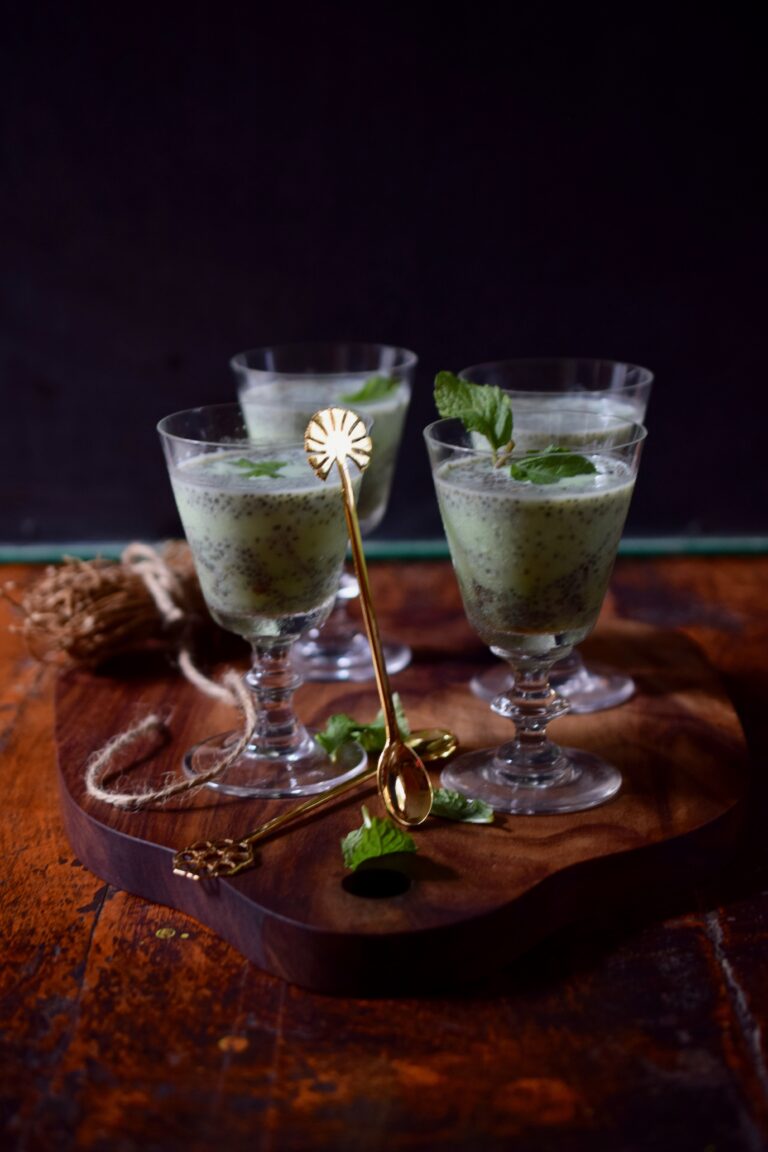
The dessert du jour is the chia seed pudding – fuss-free, and usually requiring very few ingredients. If you’re like me, you’d have gotten introduced to chia seeds because of your curiosity over the current craze of having them in puddings. The first time I tasted them, they took me back to childhood visits to Bombay and the city’s famous bright-coloured, super-sweet dessert drink known as falooda. They tasted just like the takhmaria (sweet basil) seeds I loved catching between my teeth as I slurped it down… And that’s when I had an inspiration about a very Indian twist on the done-to-death chia seed pudding.

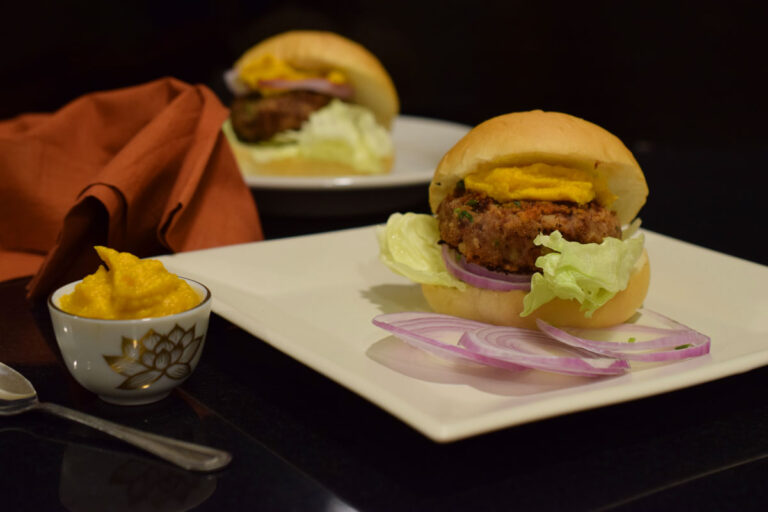
When most people hear the word “burger”, they think of an oily, low-nutrition meal full of sauces and heavy meat, polished off with unhealthy sodas and greasy fries! But what if I told you that I can share with you how I make something that looks like the real thing, tastes just as (or more!) delicious, and doesn’t do anything but nourish your body and soul?

My vegan bean burger is an improvisation on a dish that one of my teachers at the Kushi Institute, Chris Jenkin, used to make for us for lunch sometimes, in a strictly macrobiotic style using East Asian ingredients. I love innovating in the kitchen, discovering ways to turn a dish around and make it vegetarian, vegan, gluten-free and so on. I also consider how to source ingredients that are seasonal and readily available. Call it Macrobiotics meets Madras! Here’s a perfect example of how I fine-tuned a recipe so that it makes the best sense for climactic and cultural conditions.

This time, last year, the city I live in was devastated by the worst floods it had seen in over a hundred years. An unusually heavy northeast monsoon unleashed its might on Madras, also known as Chennai, as well as the coastal regions of Tamil Nadu, Andhra Pradesh and Pondicherry. Hundreds of thousands of people were displaced, at least 500 lives were lost, and damages ran into billions of rupees.

While my city was being submerged, I was away in Massachusetts at the Kushi Institute, deeply engaged in the study of Macrobiotics. One morning, I received a phone call from my husband back home, who told me that the seasonal weather was something much more this year. Water was fast rising in our home, and he was calling from our terrace. Most homes in India have flat rooftops, where laundry is dried, potted plants may be grown, and parties are held under the moonlight. These terraces saved many people in the South Indian floods.

With the monsoon, the sick season begins. The kids (and all the adults whom illness reduces to behaving like kids!) catch the flu. Coughs, colds, sneezing, sore throats – no sooner does one person in the household calm down does the next come down with a bout!

When it comes to healthcare, I’m a believer in homemade concoctions and natural wisdom. There’s a particular cough syrup that I find very effective, the basics of which I learned from Kiran Patel, an amazing Mumbai-based nutritionist whose principles of simplicity for wellbeing match mine. You will need nothing more for it than some of the most basic ingredients in your kitchen, garden or windowsill pots.