Tag

bhakri

Browsing

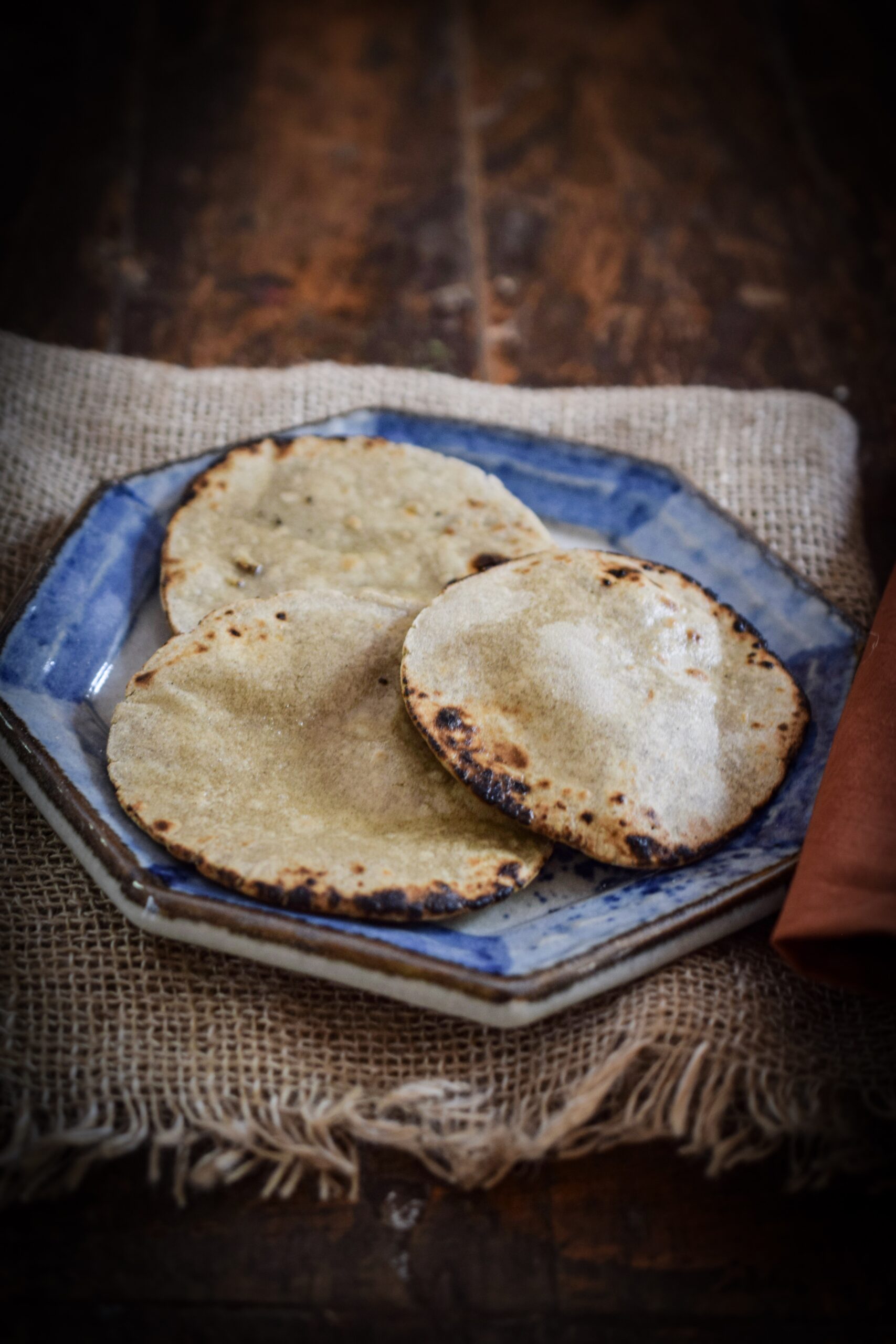
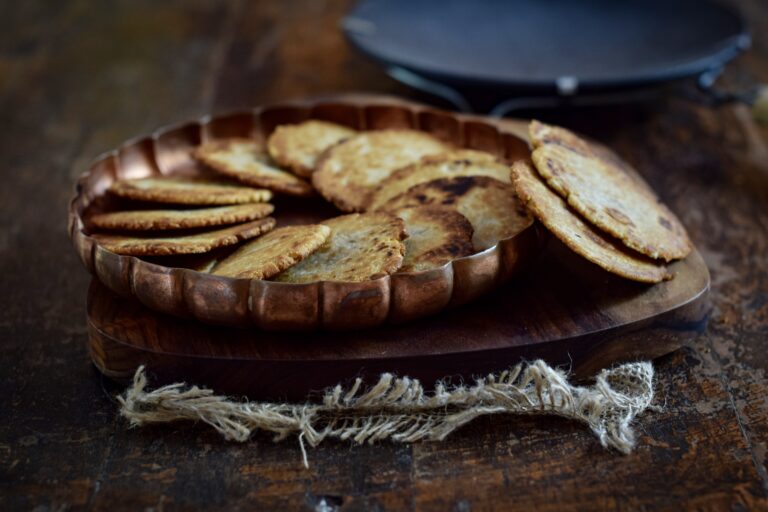
Way back near the inception of this blog, I shared a post that I’ve referenced time and again across other recipes. That post covered the basics of different types of flatbreads that may be found on a Gujarati dining table. It highlighted essentials such as rotli, thepla, bhakri and the like. There are myriad versions of each of these, and many other varieties of flatbreads themselves. This month, I want to share the recipe for masala bhakri, a kind of spiced biscuit-like flatbread that I’ve always had a fondness for.

In Gujarati cooking, pride is taken in keeping things petite. How one shapes a flatbread is considered a matter of artistry. The more talented you are, the thinner a rotli will be, for example. I have sometimes taken this penchant into my preparation of dishes from other cuisines, as I enjoy both the aesthetic appeal and the health benefits when it comes to portion control. Bhakris are thick, but small in size, and making them always reminds me of the culinary inclination in my culture.

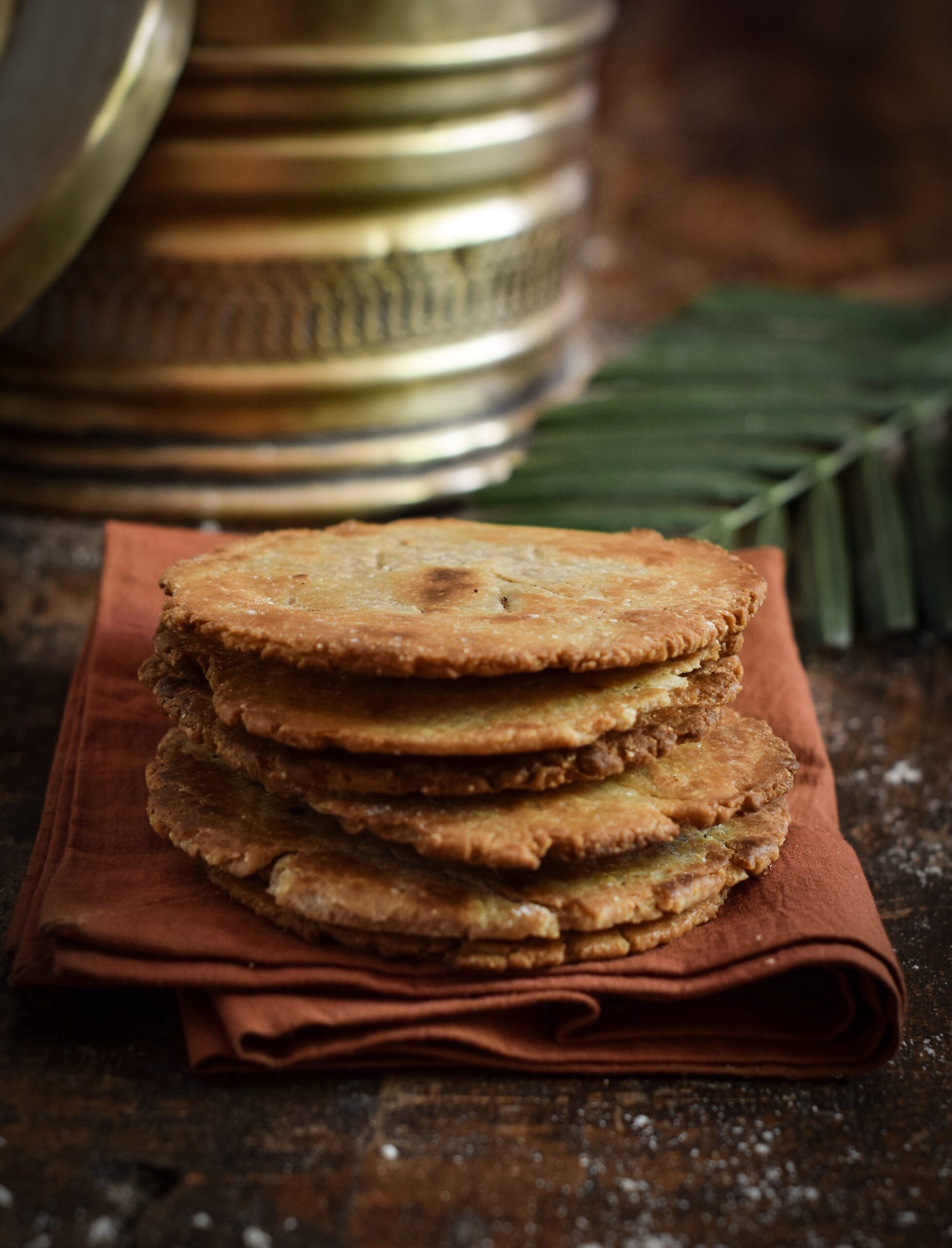
As I said earlier, the bhakri is kind of biscuit-like in look and feel. This means that it naturally lends itself very well to being served alongside tea. Spiced, fried goodies are commonly enjoyed with tea in India, and this versatile dish works both in meals and as a snack.

When I was growing up, we often ate bhakri for dinner as it was one of my father’s favourites. If we had a few left over, they would of course be enjoyed the following evening with chai. Bhakris were never served at lunch, which was always a heavier meal – a complete thaali. Rotlis, which dry up if not eaten fresh, were always the preferred flatbread then. Of course, there are inventive uses even for those, such as the rotli na ladoo, but a bhakri that stayed good for three or four days and didn’t require further cooking was a great dish to have on hand.

I understand now, of course, how crafting a simpler meal for dinner was less demanding on my mother’s time and effort, and also better for our digestion before bedtime. Serving bhakris would be especially simple because they don’t require many frills on the side. Raw radish dipped in salt would do as a crunchy accompaniment, or else lasun ki chutney, which are balls of dried garlic chutney that have made an appearance here before.

As a child, I disliked all this, but I always wanted the bhakri. I loved the sweet version made with jaggery most of all, but I liked the masala one too. Over time, I learned to enjoy it too. I loved all kinds of bhakris when we travelled by train. We would carry our own food for these cross-country trips, and a bhakri topped with pickled green chilli was a snack that I recall fondly from that time.

I can never get enough of saying this, but within every regional category of cuisine are millions of sub-genres, because every single household will have its own way of doing things. This applies not only to the main recipe, but also to details within the same. When we say “masala”, for instance, the spice mix we are referring to will vary. This is why, even when two people follow the same recipe to a tee, these little intricacies will influence the taste differences between the resulting dishes.

Masala Bhakri
(Yield: 5-7 pieces)

1 cup coarse whole wheat flour

1 tablespoon besan

1 tablespoon sour yoghurt

Salt to taste

¼ teaspoon turmeric powder

1 teaspoon sesame seeds

2 teaspoons green chilli–ginger paste

½ cup methi leaves (finely chopped)

2 tablespoons oil

2–4 tablespoons water (for binding)

Ghee (for cooking)

In a large bowl, add the coarse whole wheat flour, besan, salt, turmeric powder, sesame seeds, green chilli–ginger paste, finely chopped methi leaves, sour yoghurt and oil.

Gently mix everything together using your fingertips, making sure the ingredients are evenly distributed.

Add the water little by little, kneading as you go, until you have a firm, smooth dough. The dough should feel hard to the touch and should not be soft or sticky.

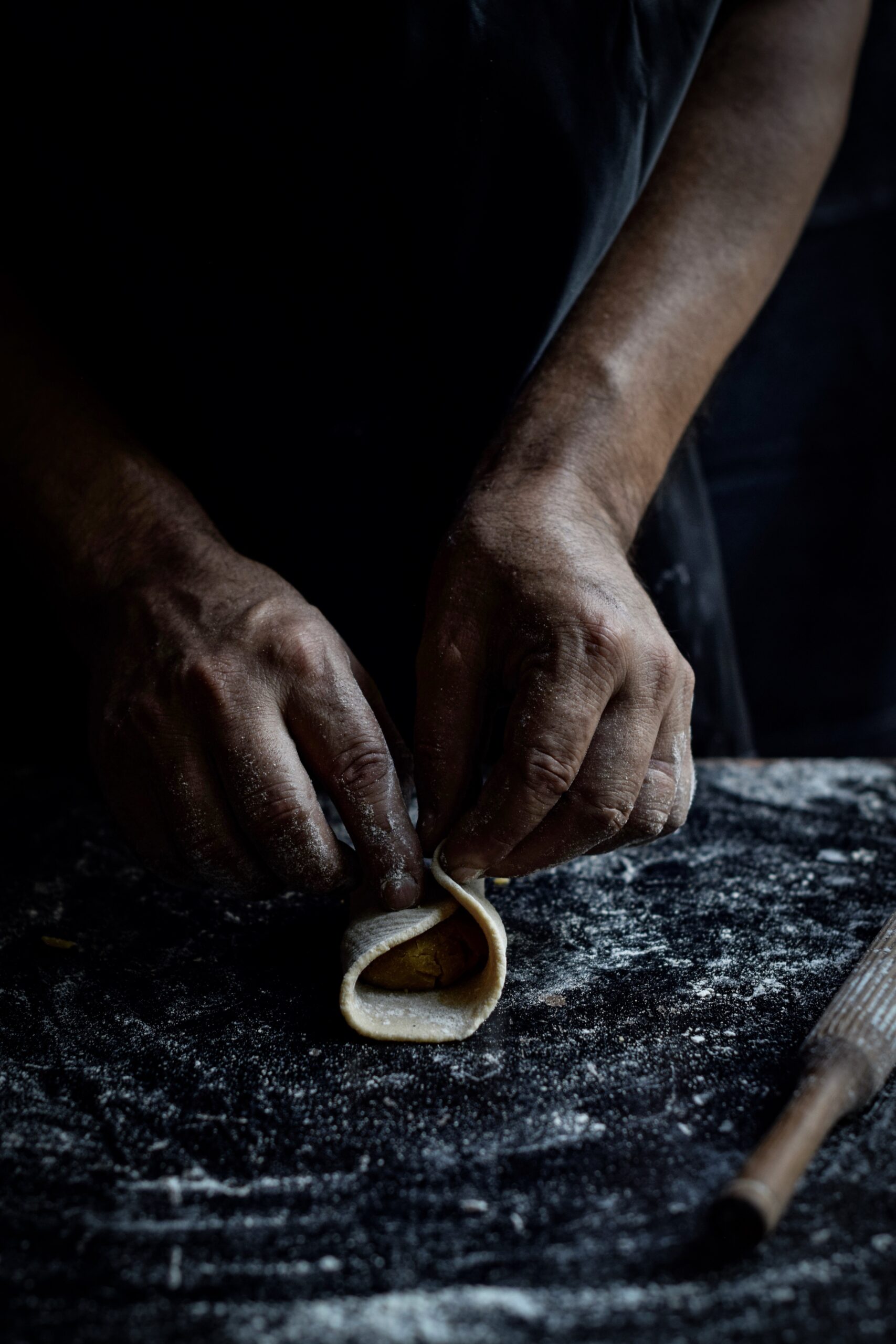
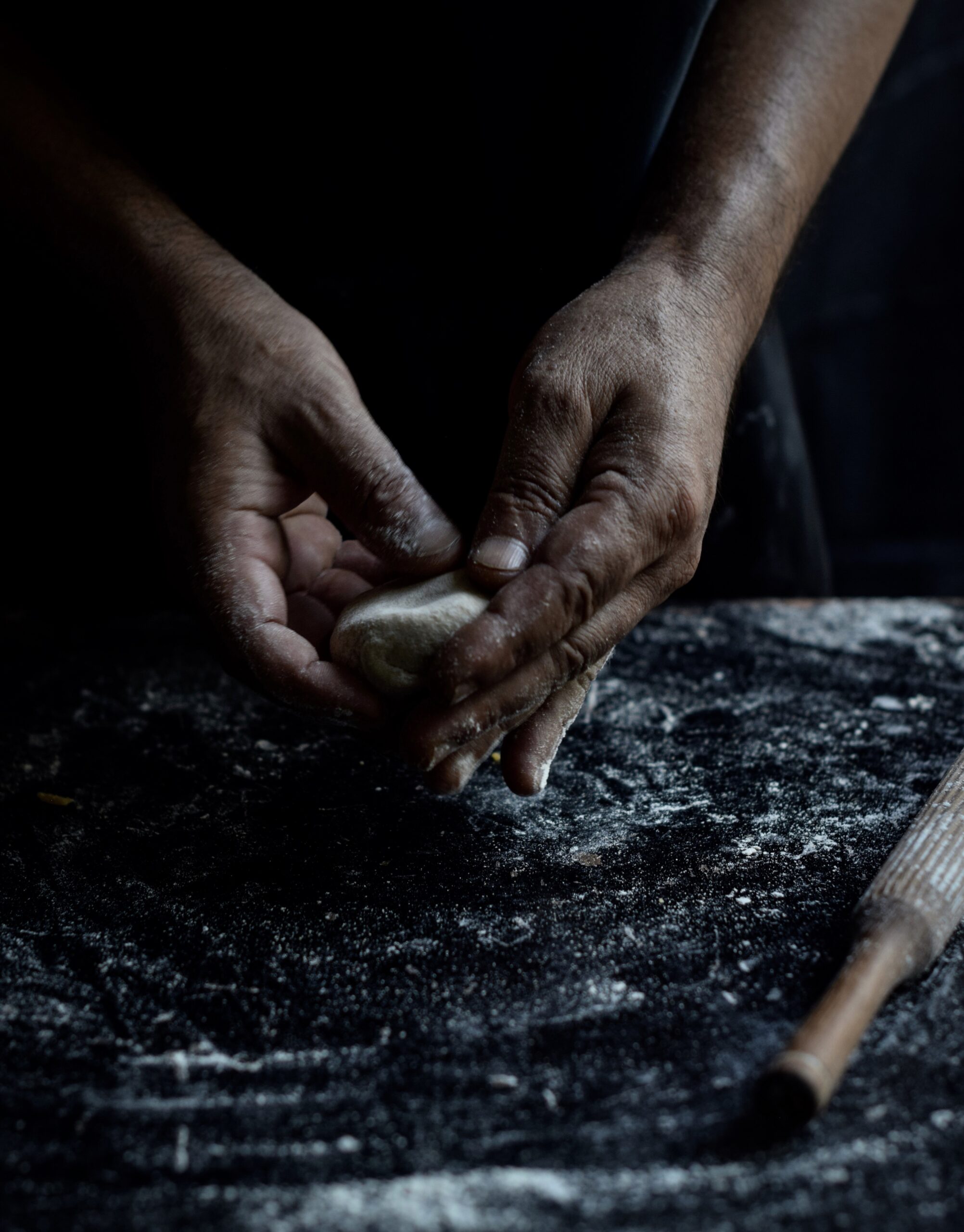
Divide the dough into 5–7 equal portions and shape each portion into a ball.

Heat a tawa over low to medium heat. Roll out each ball into a bhakri. Use your fingertips to shape them to roundness. Ensure that they are slightly thicker than a regular roti.

Place the bhakri carefully on the hot tawa and cook on both sides over a low flame. Drizzle a few drops of ghee on both sides and gently press the bhakri with a spatula as it cooks.

Continue doing this until both sides are crisp, golden and beautifully cooked through.

Repeat with the remaining dough.

Your bhakris will taste fantastic when served hot along with pickle, your favourite vegetable dish or even just radish and salt or garlic chutney, which were my mom’s easy accompaniments. You can also enjoy the leftovers the next day with tea, as a crispy, spicy biscuit substitute. If this dish makes you curious about Gujarati cuisine, my archives are full of wonderful recipes that may intrigue you too, and I hope you’ll explore them!

The very first recipe I learnt from my mother was the foundation of all Gujarati meals: the humble yet hard-to-perfect roti. Or as we call it, rotli. The ideal Gujarati rotli has to be as thin as muslin, and it took me years of practice to expertly knead the dough and roll it into perfect circles. My mother insisted that a good Gujarati girl’s rotis had to be dainty and delicate. My early ones often turned out like Punjabi parathas, large and thick – and by the norms of the Gujarati kitchen, totally wrong! Curious about this cultural difference, I asked a Punjabi neighbour why their standard for the perfect flatbread was so unlike ours, and she gave me a beautiful answer: the big Punjabi paratha reflects generosity, large-heartedness and the desire to share what you eat with the world!

Rotis, known by many names and variations, originated in the Indus Valley civilisation, where grain grinding is said to have been invented. Indian breads are different from other loaves in that they do not contain yeast. This soft form of unleavened bread comes in various forms, shapes, sizes and flavours typical of the region it is prepared, with flour made of millets, wheat, rice and other grains.

All over India, the basics of a good roti are flour, fat and flavour. The fat comes from oil, butter, cream or ghee. There are so many kinds of flavourings and stuffings – from green chilli paste to potato to cauliflower to the quintessentially Bengali renditions made with fish.

I’d like to tell you more about a few Gujarati variants: the herbed thepla, the crispy bhakri, the sweet puran poli, the seasonal juwar and bajri, and the simple rotli. Of these, I’ll share two recipes – both are meant to be eaten hot, and bear in mind that an average person can easily eat several at a time! Some notes for kitchens outside India: while binding the dough, I work with my hands. However, if you’re used to the food processor, please do utilise it. You can use a standard rolling pin.


Rotli

Lunch during our summer holidays as children was a competitive affair: who could eat the most rotlis? These rotlis were the simple, everyday variety, washed down with aam raas, a seasonal mango purée. A blissful siesta would ensue, the heavy lunch and the heat lulling us to sleep to the sound of old Hindi songs on the radio…

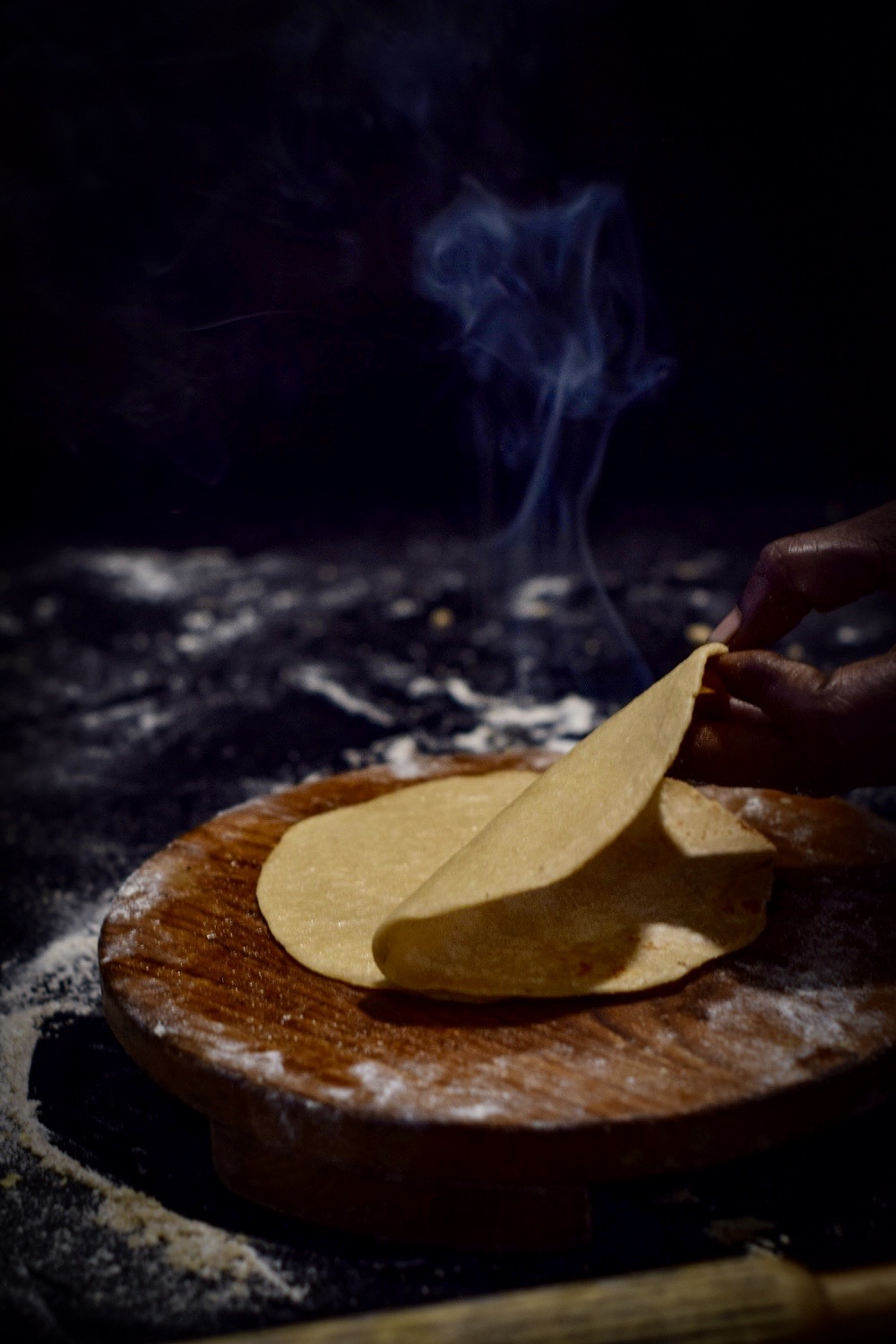
The rotlis we had then were made from balls of dough joined together, then roasted and peeled from each other. They were as fine as skin. We also ate a sweetened “children’s” version, made with jaggery water. Another way to sweeten a rotli, if you want to, is to eat it with a strained yoghurt dessert known as shrikand. I’ll be sharing a recipe for that soon, and if you subscribe to this blog, you’ll be the first to know.


Thepla


(Yields: 12)


1 cup methi (fenugreek) leaves, picked and washed

1 cup whole wheat flour

1 teaspoon salt

¼ teaspoon turmeric powder

2 teaspoons cumin powder

1 teaspoon white sesame seeds

1 teaspoon crushed green chili (adjust to your taste)

½ teaspoon ginger paste

1 tablespoon yoghurt

1 tablespoon sunflower oil + oil for sautéing

100 ml water or less


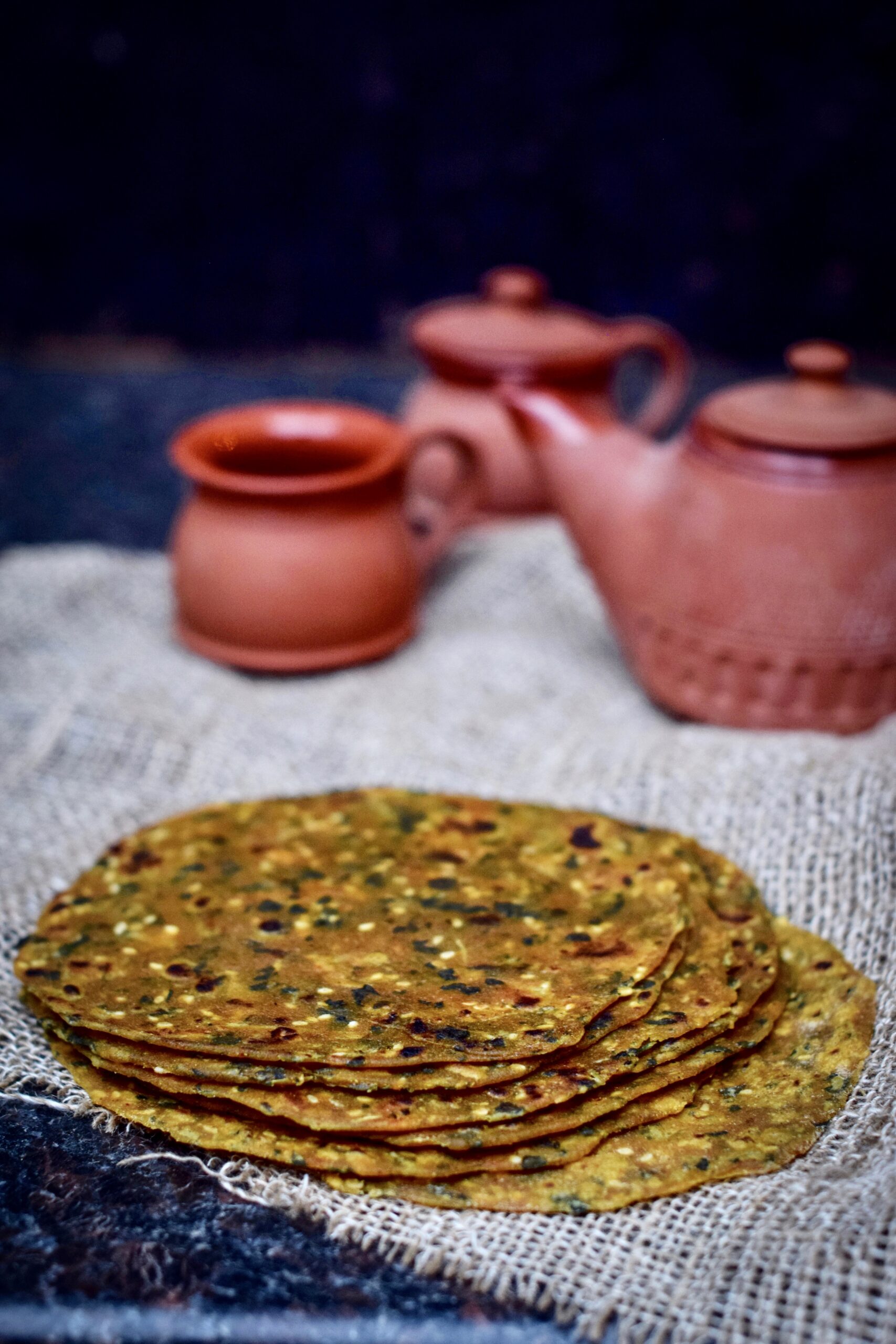
Traditionally, theplas are often made with leftover rice or khichdi, so as not to waste food, but you can make them fresh too. In a mixing bowl, add all the dry ingredients and blend them gently. Now add the 1 tablespoon of oil and the yoghurt. Slowly add water and continue mixing, until you feel the mixture is slightly tougher to the touch than bread dough. You do not need to use the entire 100ml.

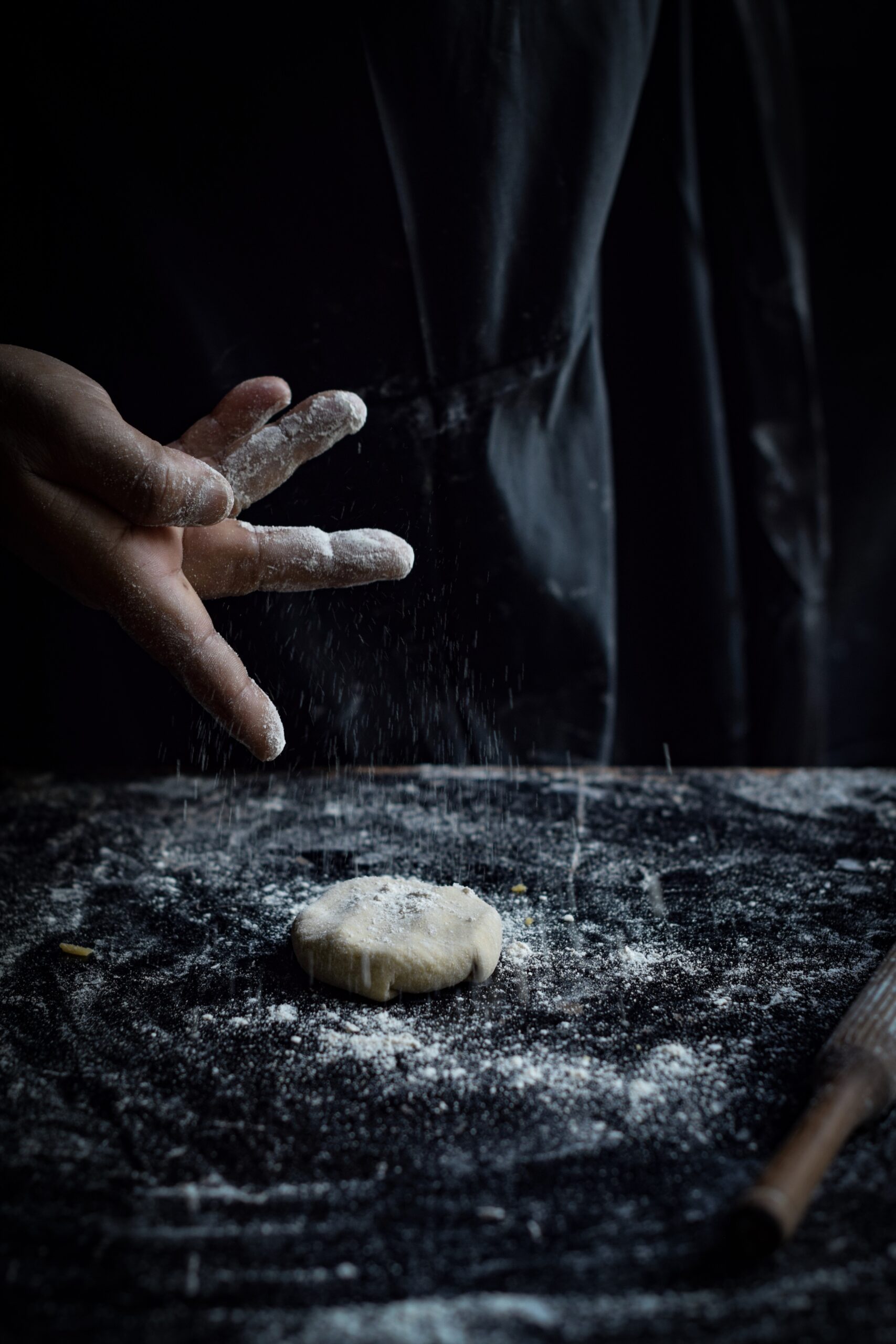
Dust both sides of the ball with flour. Make small lemon sized balls and allow them to sit for at least half hour. Now, dusting more flour as you do, roll out the dough into discs. Make them as thin as you can.

On a heated iron pan, place the thepla on a medium flame for 30-40 seconds. Then turn it to the other side. In another 30-40 seconds, add a few drops of oil. Make sure the oil is spread to the edges too, as the thepla may dry out. Press down with a spatula to help it cook. Flip the thepla a couple of times until it is golden on both sides. Remove from the pan and fry the next disc, and so on.

As you make each thepla, either store it in a hot case, so it remains soft and warm, or pile them up on a plate. Serve hot, with a curry of your choice or a sweet mango or kumquat pickle, or simply enjoy them as some Gujaratis do – with a lovely cup of chai.


Bhakri


(Yields: 15)


2 cups whole wheat flour

¼ cup semolina

¼ cup oil

100 ml warm water

¼ teaspoon salt


A bhakri is really a type of biscuit, made with a greater quantity of oil than water. A version with jaggery water was my standard after-school snack while growing up. You can make this in the sweetened (what I call “children’s”) version too, by substituting plain water for jaggery water.

Assemble all the ingredients in a large bowl. Add water slowly as required and bind the dough together. Continue pressing firmly, until it all comes together and does not stick to the bowl or your fingers. The dough should appear as a smooth, firm ball. There’s no need to dust this ball of dough with flour, as it is quite tough and will not stick while rolling. If it does stick, you have probably added more water than required, and only in this case should you dust a little flour. Now, divide the dough into 15 smaller balls and keep aside.

Heat an iron pan. Roll out the dough into discs of about 1 cm thickness – this is where the thin-as-muslin standard doesn’t apply! Place the discs onto the hot pan and reduce the flame. Since bhakris are thicker they need to cook on the inside too, so it will take longer to cook. The flame needs to be maintained between medium and slow. Flip over each bhakri a couple of times until golden. If you’d like to, use a pair of tongs and roast the bhakri directly over the flame towards the end of its cooking time. This is the traditional way – dough to flame, directly, just like in this video!

Once they are crisp and golden, remove from the pan and let a trickle of ghee melt onto the bhakri. Serve with tea. They also travel well, so consider packing them for journeys. As my mum would say, a well-made bhakri will be like an easily chewable cookie – it can be eaten comfortably both by the elderly and by children alike.

Puran Poli

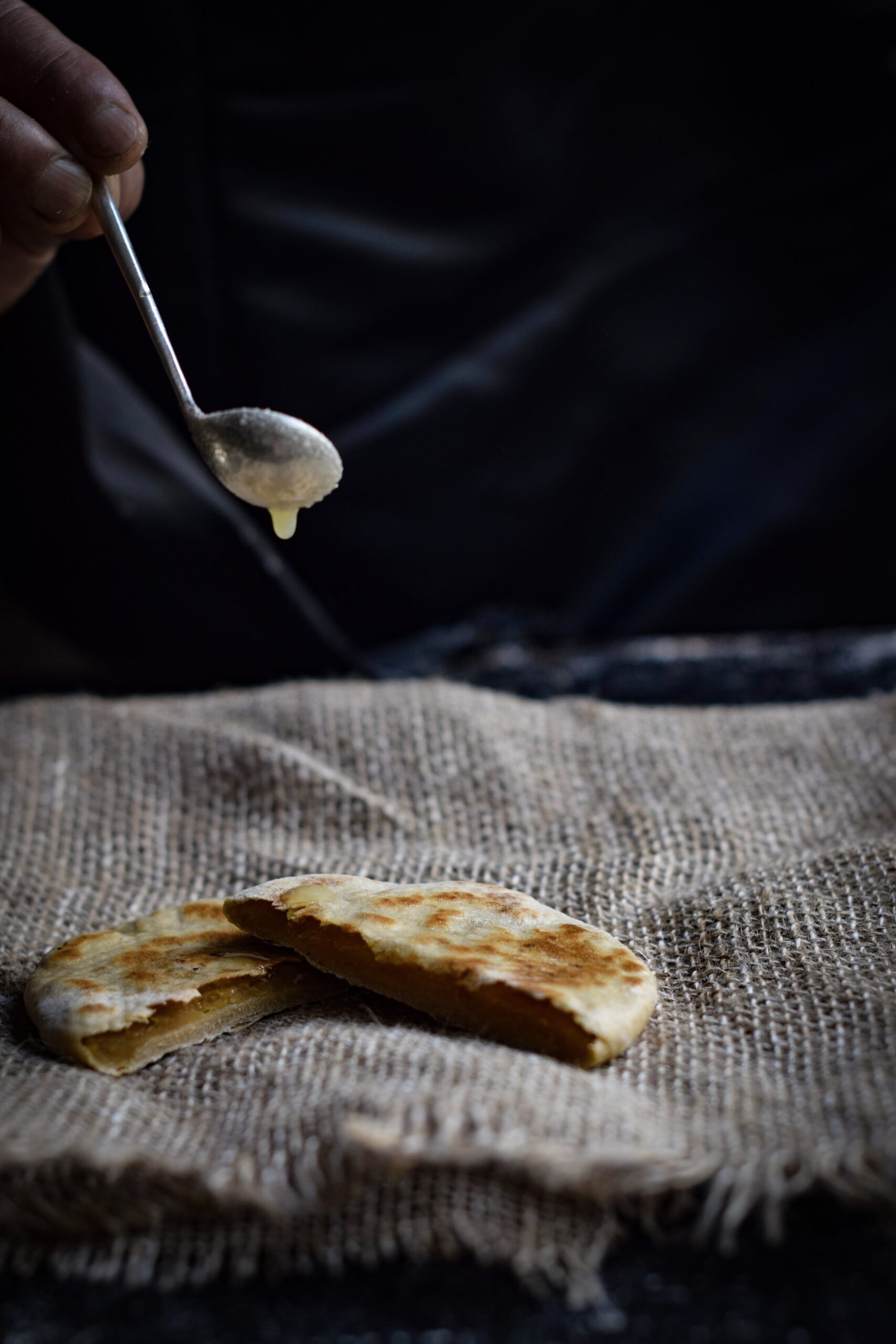
Sweet, stuffed and festive, the puran poli is enjoyed not just in Gujarati cuisine but throughout India. Made of toor dal (pigeon pea) and jaggery, it is a stuffed and folded variant that is half-roti, half-dessert.

Juwar & Bajra

It’s only after years of practice with the other rotis that one comes to seasonal variants like juwar and bajra, which are even more difficult to make, let alone master. Gluten-free, the juwar roti is made of sorghum flour while the bajra roti is made of pearl millet. These thick flatbreads were traditionally eaten during winters, roasted on a charcoal flame and thus imbued with a different flavour. They were most often relished with a thick layer of white home-churned butter and sugar or jaggery. Leftover juwar and bajra make delightful, healthy cereal when crushed and eaten with milk.

*

Many Gujarati rotis were created to satisfy two specific purposes: to suit the extremely dry summers and cold winters, or to be travel-friendly, a fact proven all the way from the traders of yore to families like mine who took cross-country train rides. Whether unpacked during a picnic or a road trip, or eaten fresh and piping hot from the stove, the roti satisfies.

Throughout the subcontinent, we eat with our hands. According to Indian philosophy, the 5 senses are at our fingertips, and the act of eating activates all of them. Eating is truly a multi-sensory experience: presentation, ambience, mood and texture (even the texture of the thaali or plate – is it silver, terracotta, bell-metal or steel?), who serves us, who we eat with, the memories we recall or create through the meal – all of these matter as much as the taste itself.